The Body as Canvas: Exploring Body Modification in Nude Art Photography
When tattoo, scarification, piercing or another modification enters a nude photograph, the body is already carrying an authored surface. The photographer is not working with neutral skin. Marks may hold personal memory, cultural affiliation, aesthetic choice, ritual meaning or several of these at once. The task is therefore double: describe form accurately and avoid stripping the modification from the person who lives with it.
I write as a Berlin-based photographer and educator whose studio practice examines identity through the body, including sessions developed through Nude Art Workshops.
Understanding Body Modification: A Spectrum of Expression
Types of Body Modification
Body modification covers practices with very different histories, risks and social meanings. For photographic purposes, the useful distinction is not “mild” versus “extreme,” but what the modification does visually and what it means to the person being photographed.
- Tattooing: pigment placed in the skin, from small personal symbols to large compositions developed over years.
- Piercing and jewellery: punctures, rings, bars and surface pieces that introduce reflective material, rhythm and points of tension.
- Scarification: intentionally formed scar tissue whose relief depends on healing, skin response and cultural or personal context.
- Subdermal and structural modification: forms placed beneath or made through the skin that alter silhouette and surface.
- More extensive procedures: practices such as tongue splitting, ear shaping or ocular work carry substantial medical risk. A photographer should never treat their rarity as permission to sensationalise the subject.
In Girl with the Tiger Tattoo, the tattoo is not a decorative accessory added to the pose. Its scale organises the frame, while the turned back keeps the person’s identity present without converting the body into an anatomical display.

Practitioner note: I begin by asking what the subject wants the modification to disclose and what should remain private. The answer affects angle, distance, crop and title. A large tattoo may be the formal centre of the image, but it may also carry a story the subject does not want reduced to a caption.
Cultural Meaning and the Limits of Interpretation
Modification cannot be read through appearance alone. Māori tā moko, for example, is bound to identity and genealogy; scarification practices in African communities differ by people, period and purpose. Contemporary tattoos may mark grief, belonging, transition, pleasure or simply visual preference. The photographer should not collapse these distinctions into a generic language of “tribal” authenticity.
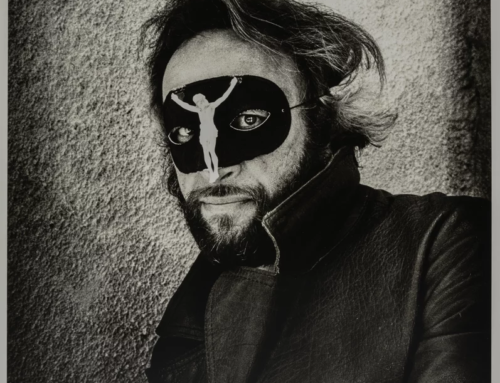
Historical ethnographic photographs require particular care. They can preserve visual evidence while also reflecting unequal colonial encounters, incomplete captions and the collector’s appetite for difference. Hugo Bernatzik’s image belongs to that history. It should be read as both a photograph of a modified body and a document shaped by the conditions under which European ethnographic photography was produced.

Hugo Bernatzik
When a modification refers to a community, sacred practice or family lineage, research is part of the shoot. Ask the subject how the mark should be named. Do not invent symbolic meanings from visual resemblance, and do not reproduce culturally specific patterns as styling without informed participation.
Photographing Modified Bodies: Techniques and Strategies
Lighting Surface, Ink and Metal
Different modifications ask for different lighting decisions. A healed tattoo is primarily a colour and contrast problem, not a relief sculpture. Broad directional light usually preserves ink density and skin tone; a polarising filter can reduce glare, while cross-polarisation can suppress reflections further when accurate colour is the priority. That technique also removes some natural sheen, so it should be chosen rather than applied automatically.
- Tattoos: use a large source placed off-axis, check specular glare on darker inks, and make a neutral colour reference before creative grading.
- Piercings and jewellery: shape the reflected source. Metal records what it sees; a clean white card can create a controlled highlight more reliably than a narrow spotlight.
- Scarification: low raking light can reveal relief through shadow, but very hard light may exaggerate texture beyond how the subject experiences it.

Chelone Wolf
Practitioner note: I make two exposures when surface is central: one with restrained reflection for colour and one with more oblique light for relief. The decision between them is conceptual. The first treats the modification as graphic information; the second makes the skin’s physical history more present. The wider lighting logic is developed in the guide to sculpting the body with light.
Composition Strategies to Integrate Form and Modification
Thoughtful composition can enhance the impact of body modifications, making them an integral part of the overall image rather than an incidental detail.
- Focus on the Details: Use a macro lens to get incredibly close, turning an intricate tattoo into an abstract terrain or a unique piercing into a piece of fine jewelry sculpture.
- Juxtaposition and Contrast: Create powerful compositions by contrasting modified and unmodified areas of the body. A heavily tattooed arm resting against a stretch of clear, unmarked skin can create a compelling visual narrative.
- Symmetry and Asymmetry: Utilize the placement of modifications to create compositions that are either perfectly balanced or intentionally unbalanced and dynamic. Hans Silvester's photograph of a Suri woman uses the symmetry of her facial paint and lip plate to create a powerful, formal, and dignified portrait.

Hans Silvester
A practical colour workflow matters. Set a fixed white balance, photograph a grey or colour reference under the final light, and avoid pushing local contrast until healed ink begins to look embossed. Newly modified or irritated skin should not be photographed under pressure; the subject’s comfort and medical guidance take priority over the schedule.
Colour and Tonal Decisions
Color plays a significant role in how we perceive modified bodies, and your choice of color palette can dramatically alter the mood of the image.
- Black and White: This classic choice excels at emphasizing texture, form, and contrast. It is particularly effective for highlighting the raised patterns of scarification and the bold graphic quality of black ink tattoos, stripping away distraction to focus on the modification itself.
- saturated Color: Color photography is essential for capturing the artistry and vibrancy of colored tattoos or the subtle hues in different types of body jewelry. A carefully chosen color palette in the background or lighting can be used to either complement or contrast with the colors in a tattoo. Reka Nyari's work often uses rich, saturated color to make the subject's tattoos a central, saturated element of the composition, as seen in the striking image here.

Reka Nyari
Fine-Art Nude Photography Workshops · Since 2012
Join the Workshop List
Nude Art Workshops is a small-group programme founded by photographer and educator Burak Bulut Yıldırım. We run concept-led sessions with professional model collaborators and a maximum of six photographers.
Join the list for new workshop dates, visiting models, new cities, and programme updates. Subscribers usually hear about new sessions before public announcement.
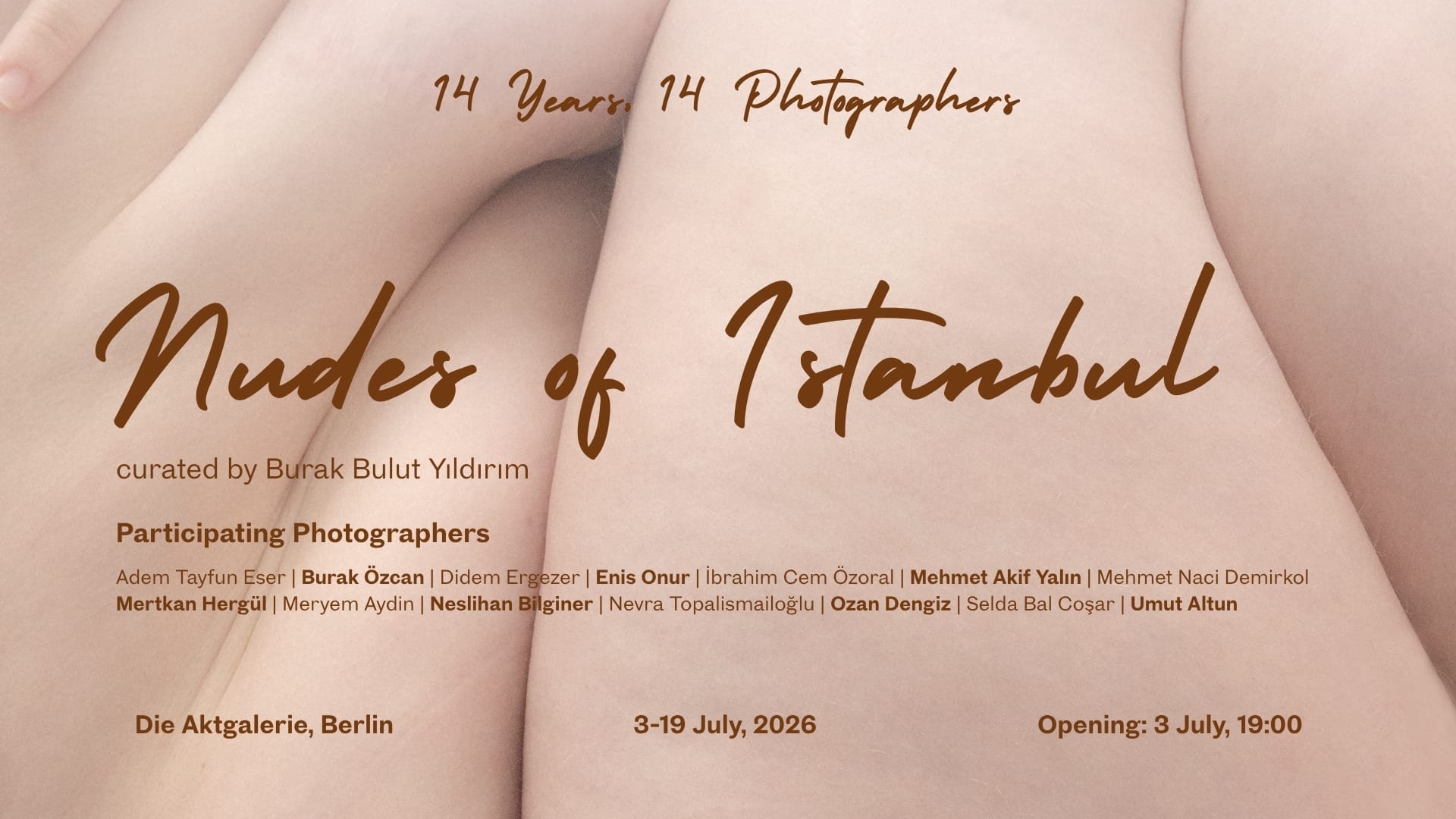
Fourteen years of our nude art workshops also became an exhibition and a hardcover book. The project is now held by the Victoria and Albert Museum’s National Art Library in London, Istanbul Modern, the German National Library, and private collectors.
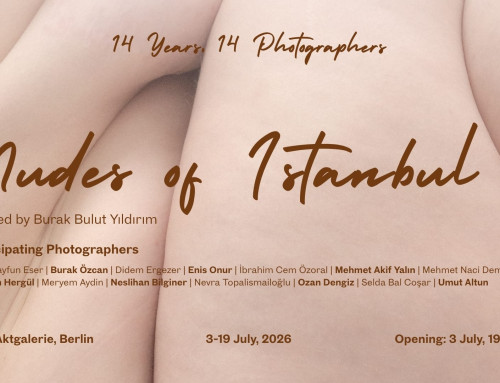
Curious about the project? Discover The Nudes of Istanbul →
Maximum six photographers per session · No weekly sales emails · Instagram: @nudeartworkshops
Artistic Approaches: Telling Stories with Skin
Narrative Photography
Every modification is a story. The photographer's role can be to act as a visual biographer, using the nude form to bring these narratives to life.
- Personal Histories: Work collaboratively with your subject to understand the meaning behind their modifications. A photograph can then be crafted to capture a tattoo or scar that represents a significant life event—a birth, a loss, a transformation. Burak Bulut Yıldırım's "Skins" series examines this, treating the skin as a document of life stories.
- Cultural Narratives: Travel and document traditional body modifications in their original cultural context, creating work that is both artistically beautiful and anthropologically valuable.
- Fictional Narratives: Use a subject's modifications as a starting point to create a fictional character or a cinematic scene, building a new story on top of the one already present on the skin.

Practitioner note: A useful sequence begins with a descriptive frame, moves closer to the relationship between mark and anatomy, then tests abstraction. If you begin with the detail alone, the work can turn the subject into evidence. The sequence keeps person, surface and interpretation in contact. This is closely related to building a concept before choosing a technique.
Abstract and Conceptual Approaches
Moving beyond literal representation allows for an exploration of deeper themes related to identity and the body.
- Fragmentation and Abstraction: Focus on isolated parts of the modified body with a macro lens. A section of a tattoo can become a swirl of abstract color; a subdermal implant can look like a strange, alien terrain under the skin.
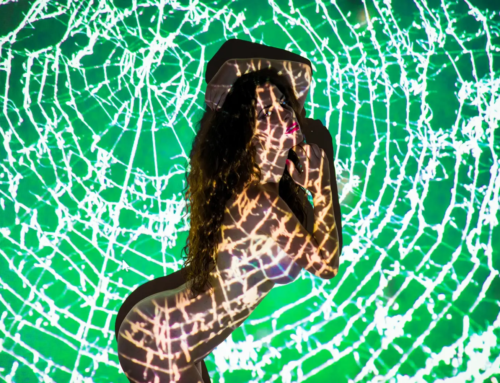
- Surrealism: Combine body modifications with digital manipulation, projection, or unusual props to create otherworldly and dreamlike effects. Elena Vizerskaya's work is a fantastic example of this, blending the modified body with surreal digital elements to create a new reality.
- Symbolism: Use a modified body to represent a broader concept. For example, a body covered in piercings could symbolize resilience against pain, or a body with subdermal horns could explore the archetype of the "outsider."

Elena Vizerskaya
Berlin: Visibility Without Exoticism
Berlin offers a visible tattoo and piercing culture, but visibility should not be confused with availability. The city’s reputation for personal freedom does not make modified people public material. The same standards apply here as anywhere else: clear consent, a shared premise and control over how the resulting image is contextualised.
Practitioner note: In my Berlin studio, I ask the model to identify the modification that matters most to them before we discuss pose. That reverses the usual order. The body is not arranged first and interpreted afterwards. The image grows from an agreed point of meaning, which is also how the concept-first workshop format avoids treating difference as a ready-made subject.
The ethical questions overlap with the photographer–subject relationship. When work moves outside the studio, the principles in the public-space photography guide also become relevant.
The Mark Is Not the Whole Person
A strong photograph of a modified body does not ask the mark to explain everything. It shows how ink, scar, jewellery, gesture and biography meet in one frame. Technical precision matters because inaccurate colour or uncontrolled reflection can misrepresent the work on the skin. Context matters because even a visually striking modification may hold meanings the photographer cannot infer. Collaboration is what keeps both dimensions accountable.
Questions photographers ask
What light is best for photographing tattoos?
Broad directional light is a reliable starting point because it controls glare while preserving colour and body form. A polariser may help, especially on glossy skin, but compare it with an unpolarised frame so the skin does not become unnaturally matte.
Should tattoos be retouched?
Remove temporary distractions only with the subject’s agreement. Do not “repair” linework, erase scars around a modification or intensify colour until the tattoo no longer resembles the original. Retouching should clarify the photograph, not redesign another artist’s work or the subject’s body.
How do you photograph culturally specific modifications respectfully?
Research the practice, use the subject’s preferred terminology and ask what can be shown or explained. Avoid generic labels and invented symbolism. When community knowledge is central, involve people who hold that knowledge rather than treating visual research as sufficient authority.
Do the workshops cover modified bodies?
A specific model or modification is not promised for every edition. The Berlin and Istanbul workshop method does teach the transferable framework used here: begin with a concept, direct form and light around it, and build the image through photographer–model collaboration rather than visual novelty.
The principles in this article are developed for photographers who want to represent marks on the body without reducing the person to those marks. The sessions are intended for photographers who want a more deliberate way to work with the body: the concept and theme come first, followed by form, light and the photographer–model collaboration. Sexuality is not treated as the default subject of the image.
Led by Burak Bulut Yıldırım, a Berlin-based photographer, contemporary artist, curator and educator practicing professionally since 2005. Nude Art Workshops have run for more than fourteen years across 50+ editions with 300+ participating photographers. Yıldırım’s work has been exhibited in Berlin, Zurich, Barcelona, Rome, Thessaloniki and Heilbronn; in 2026 he curated Nudes of Istanbul at Die Akt Galerie Berlin, accompanied by a hardcover publication from Mijuk Papers Berlin.
View workshop dates and format
Portfolio: burakbulut.org · Limited editions on Saatchi Art and Artsper · Contact: hello@nudeartworkshops.com