


Behind the Scenes · Berlin · workshops since 2012
Behind the Lens: How a Nude Art Workshop Works
The finished photograph is just the visible result. This page details the actual process: studio preparation, model direction, multiple lighting setups, guided group sessions, individual framing time, and the on-set decisions that shape a fine-art nude image.
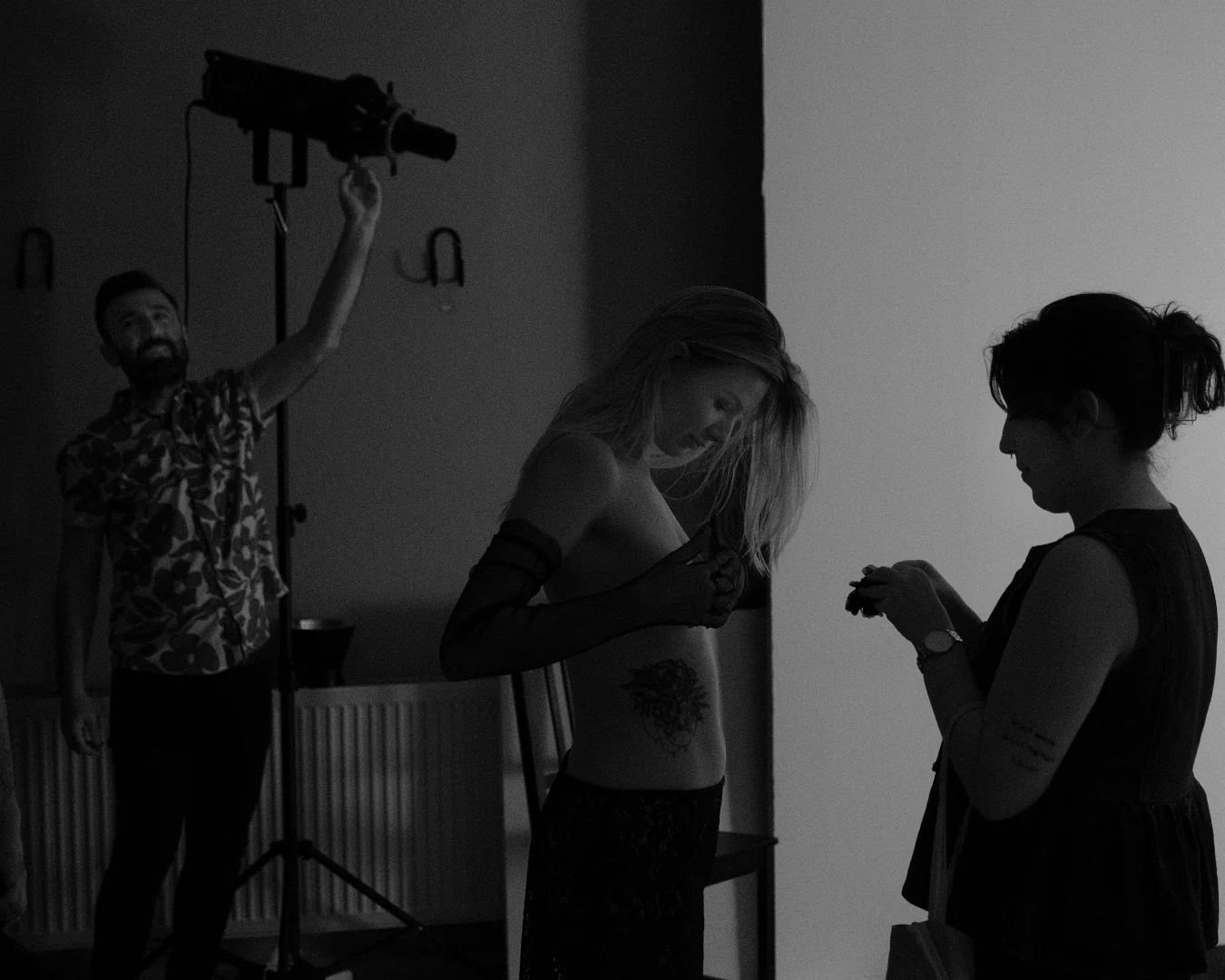
A fine-art nude set is usually quieter than expected. Most of the session involves low conversation: shifting a key light, adjusting a shoulder line, changing the working distance, or explaining to a participant why a shadow breaks the form. The core work is calibration. When done right, the final image feels effortless.
A strong nude photograph depends entirely on what happens before the shutter fires. Preparation, trust, light, and direction make the final frame possible.
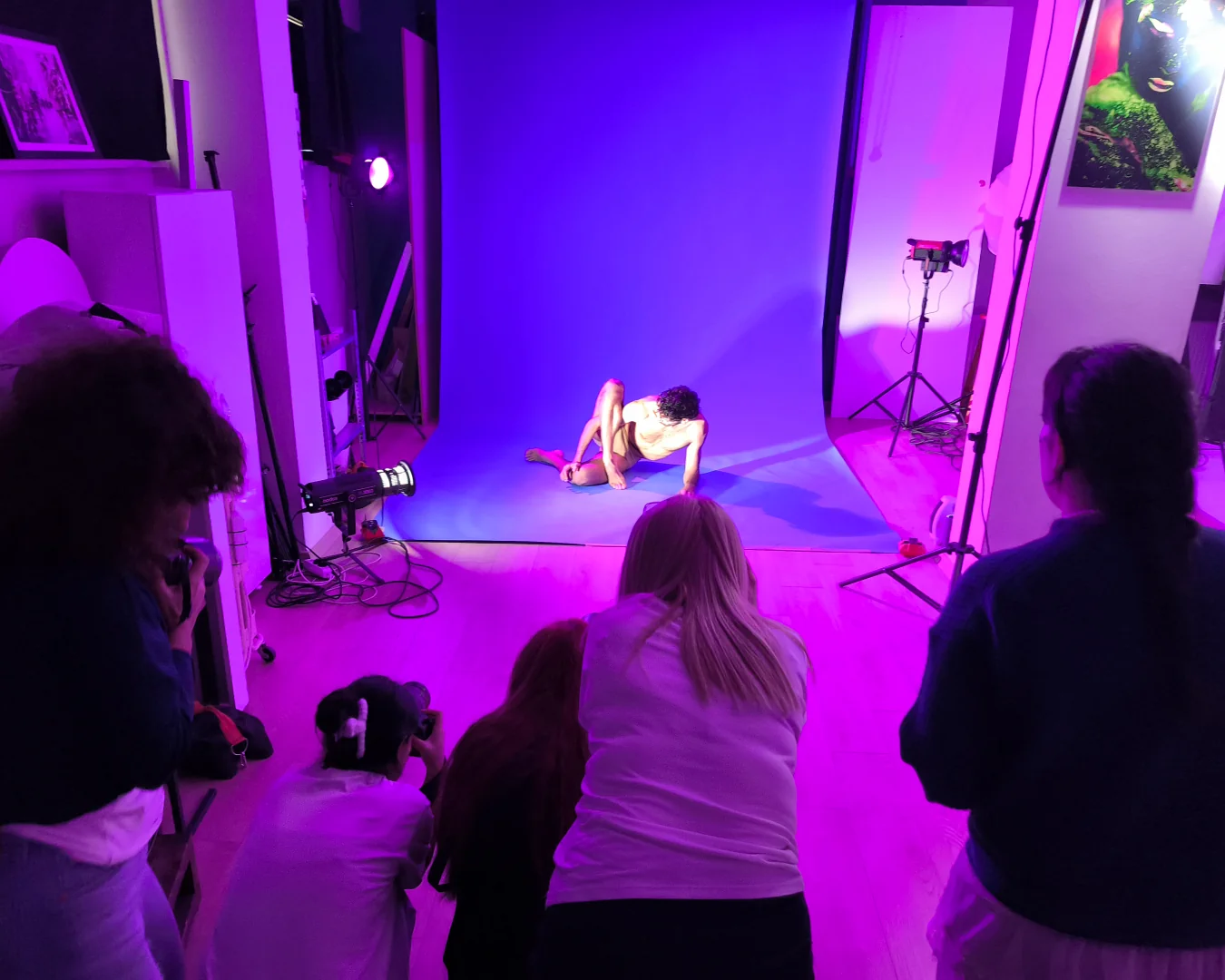
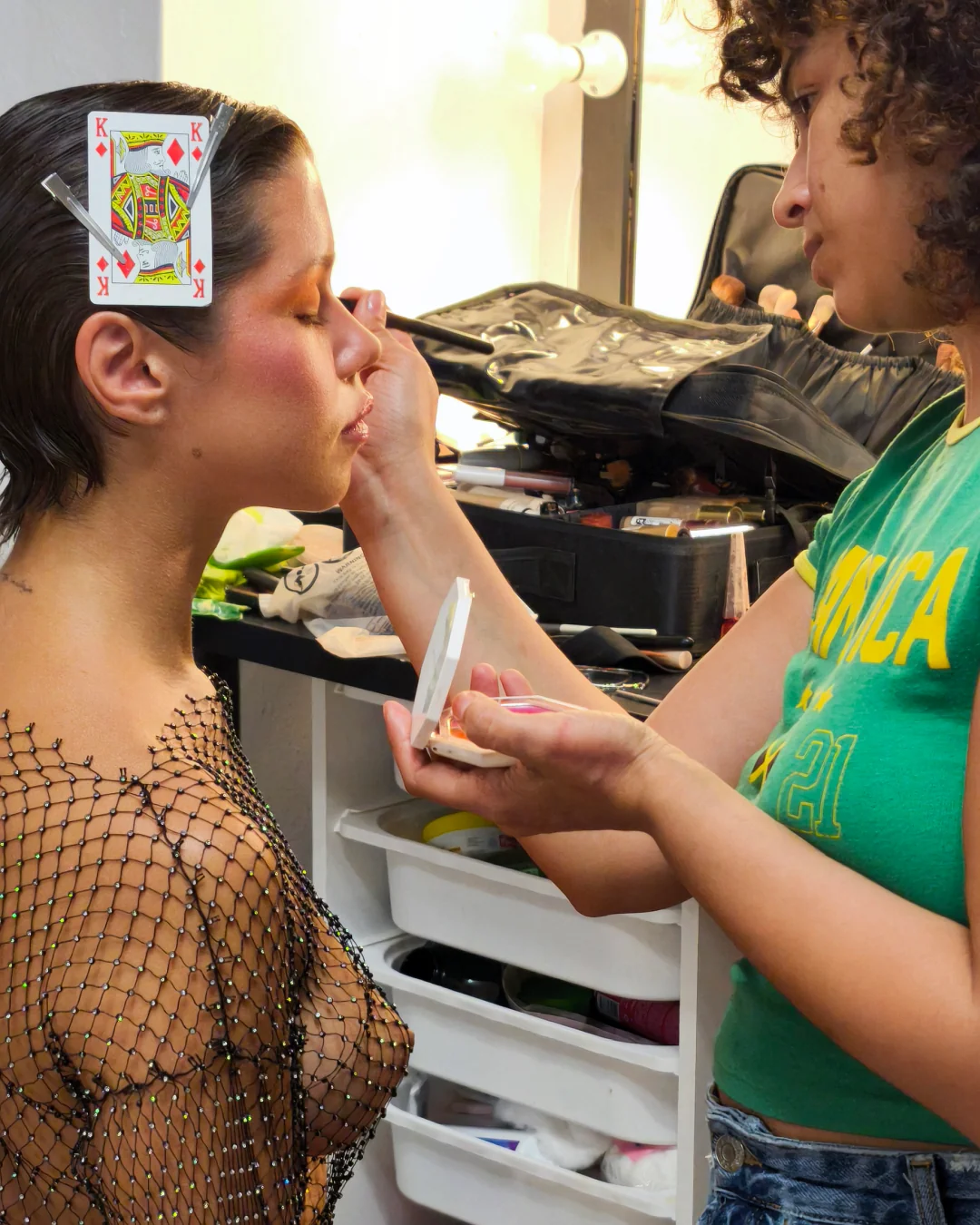
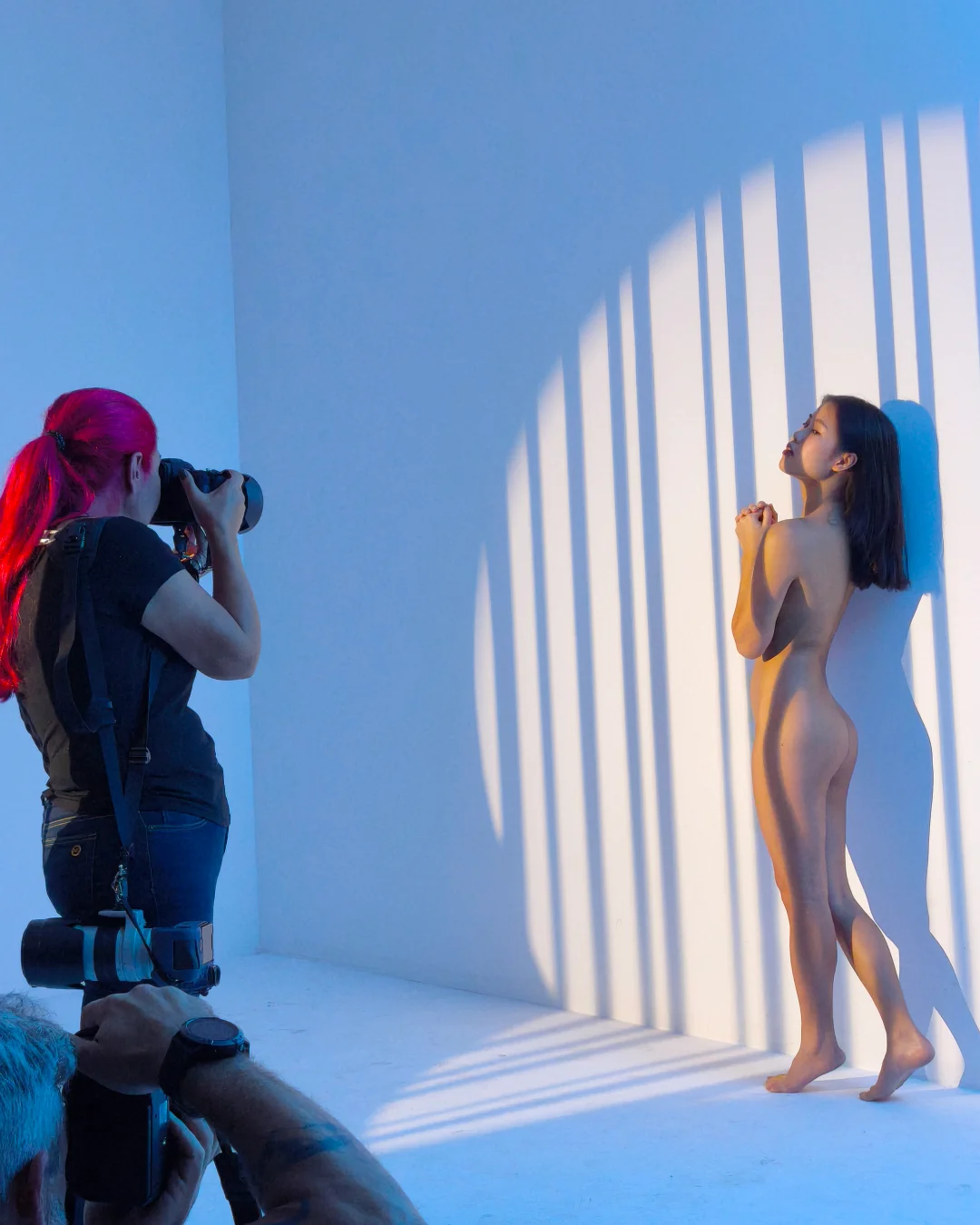
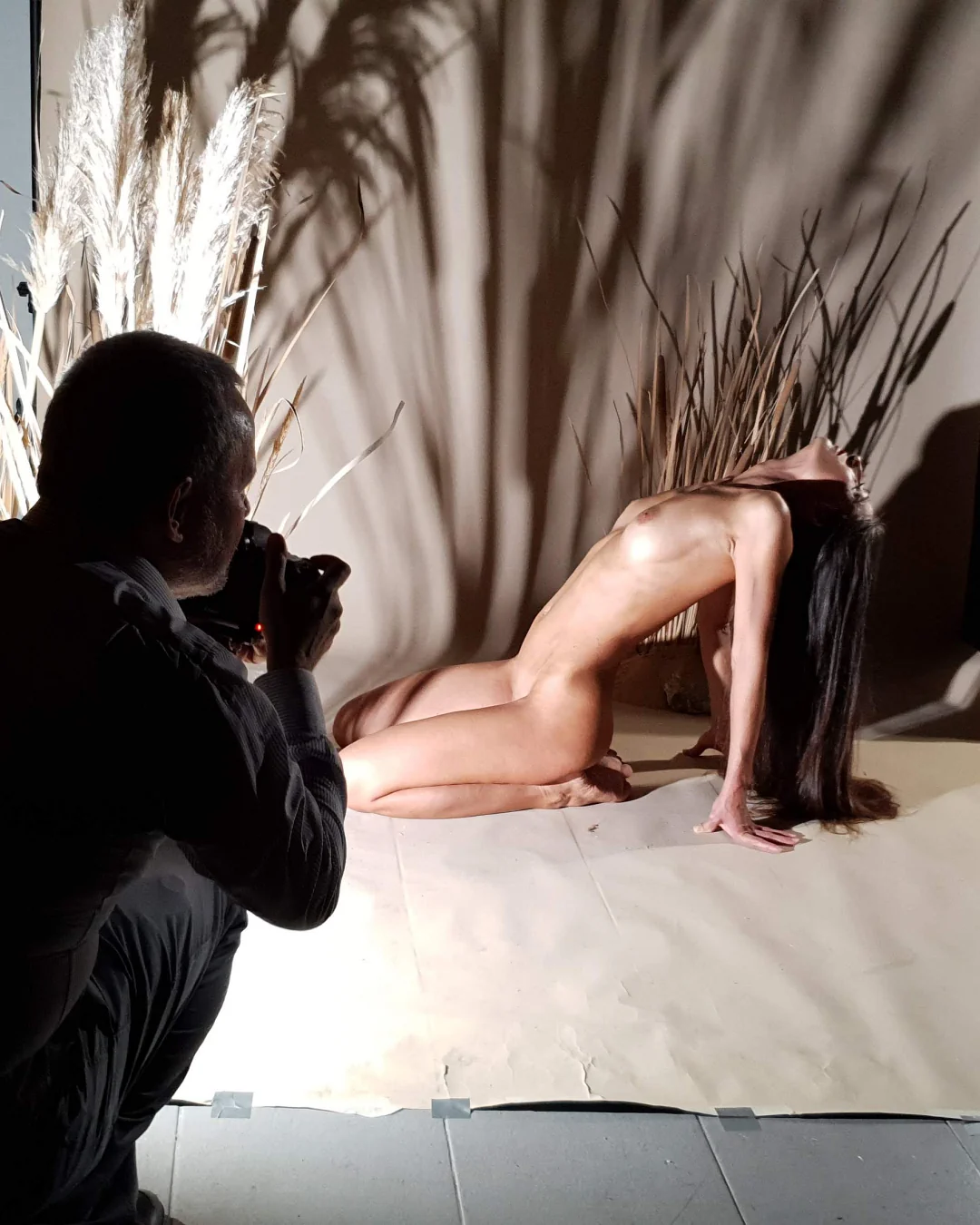
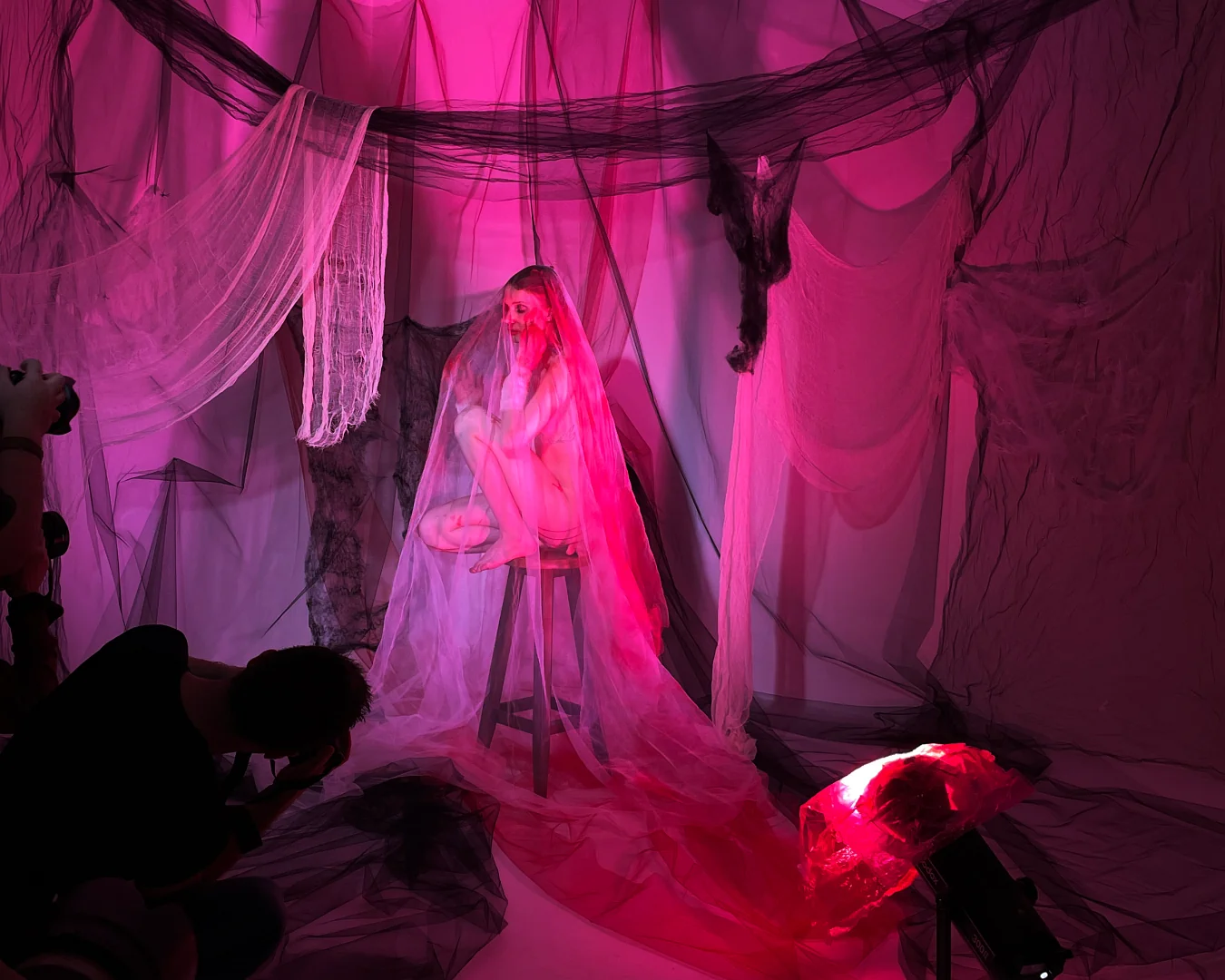
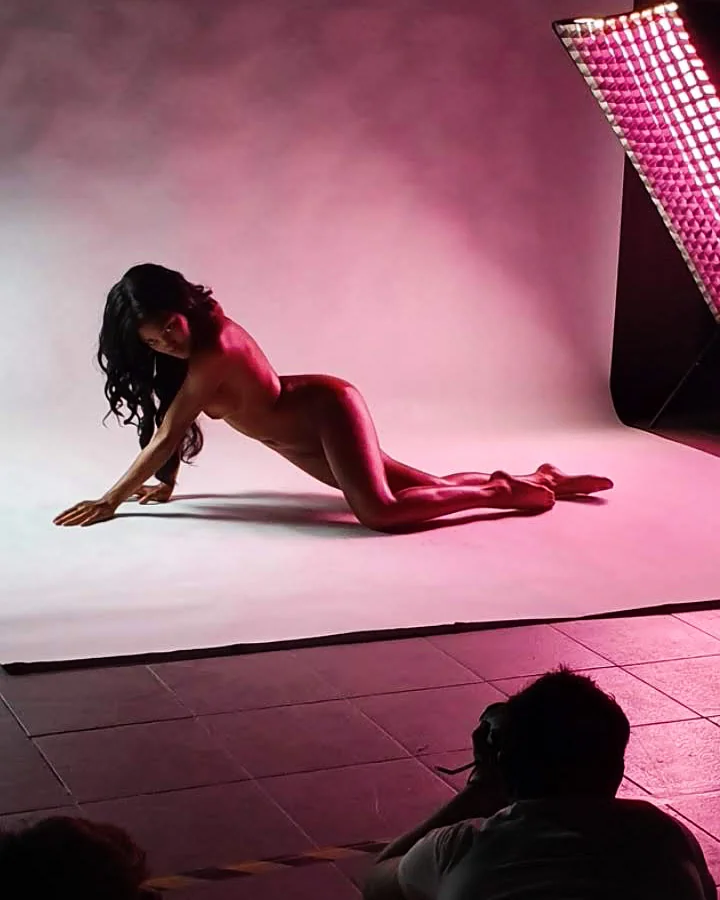
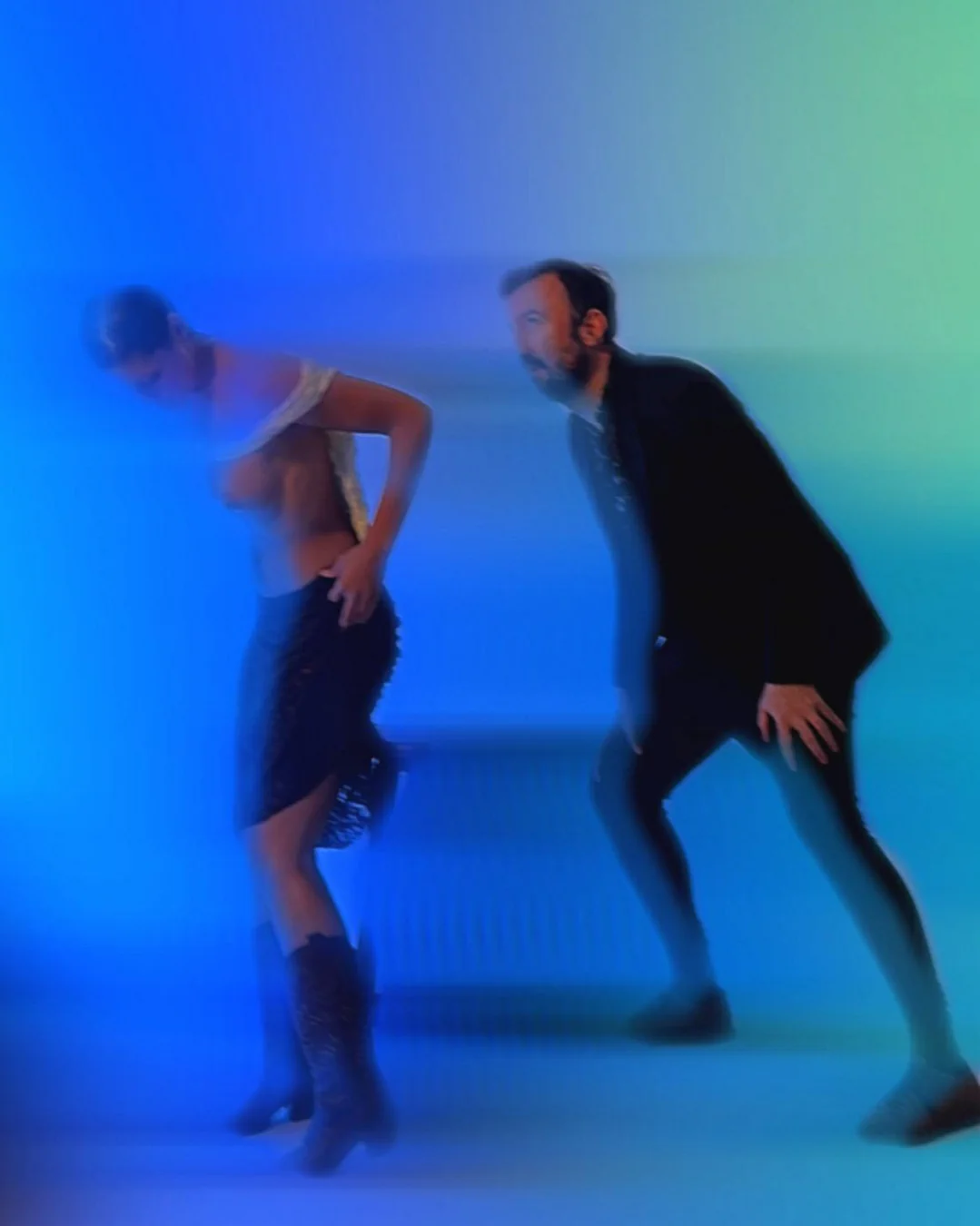
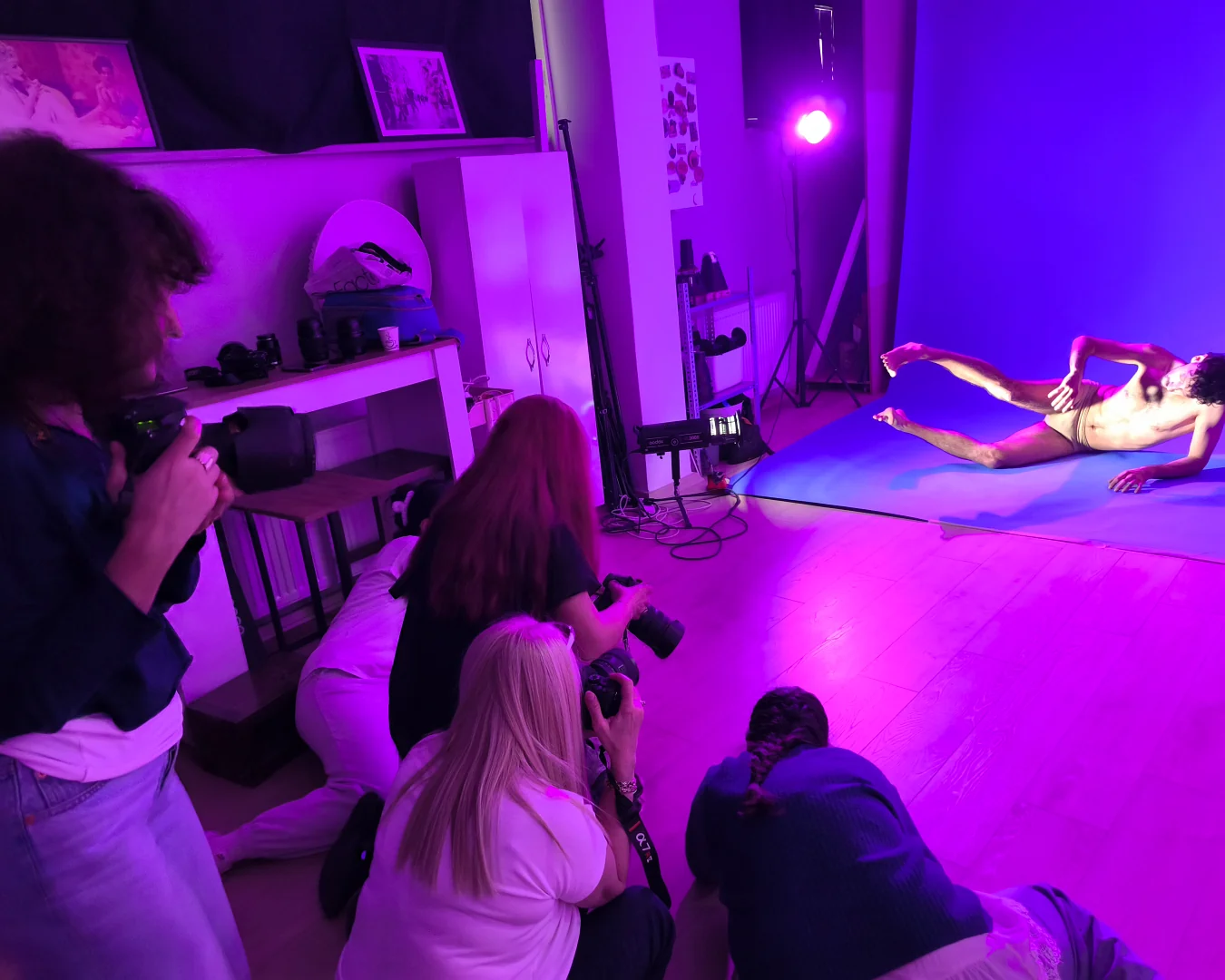
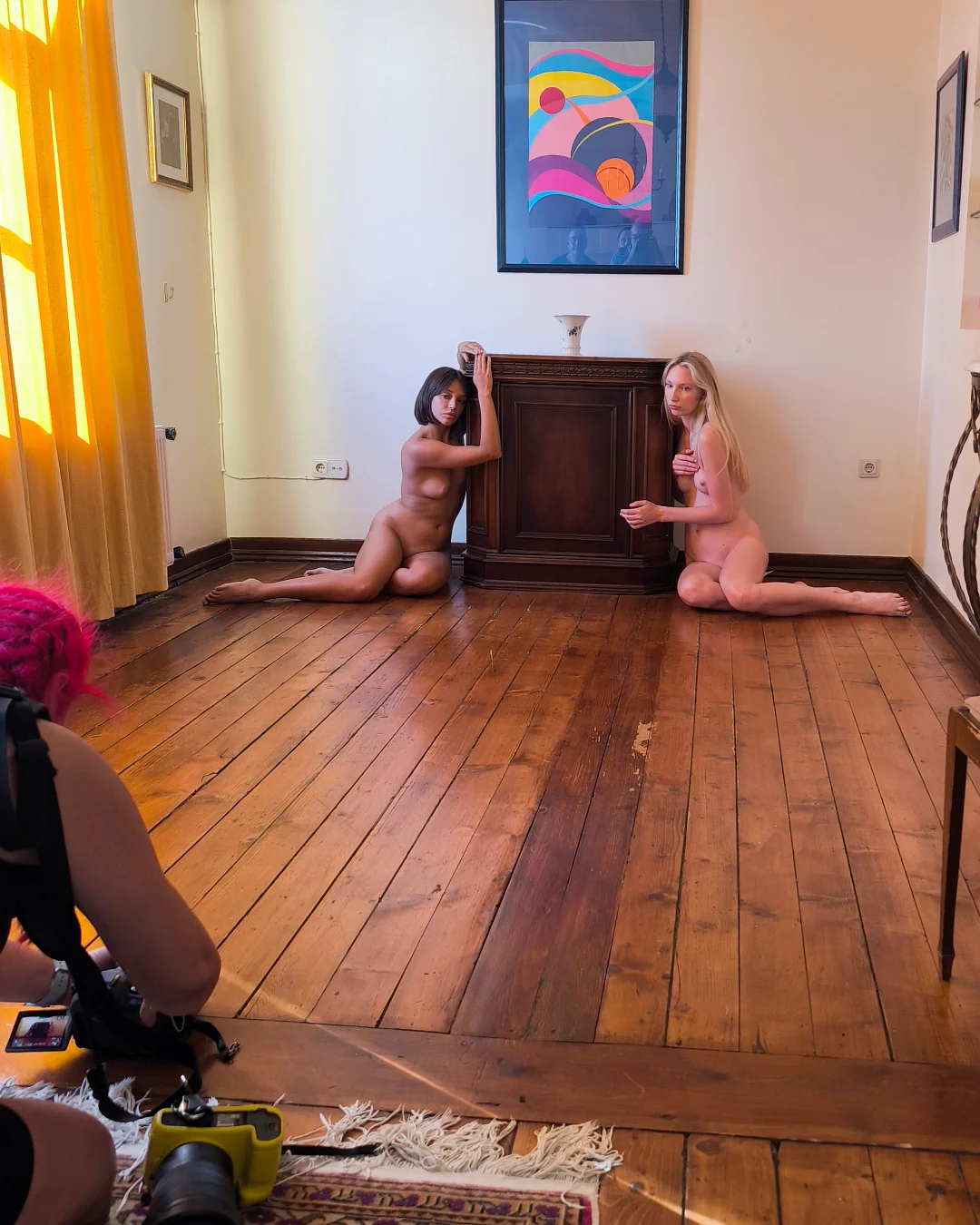
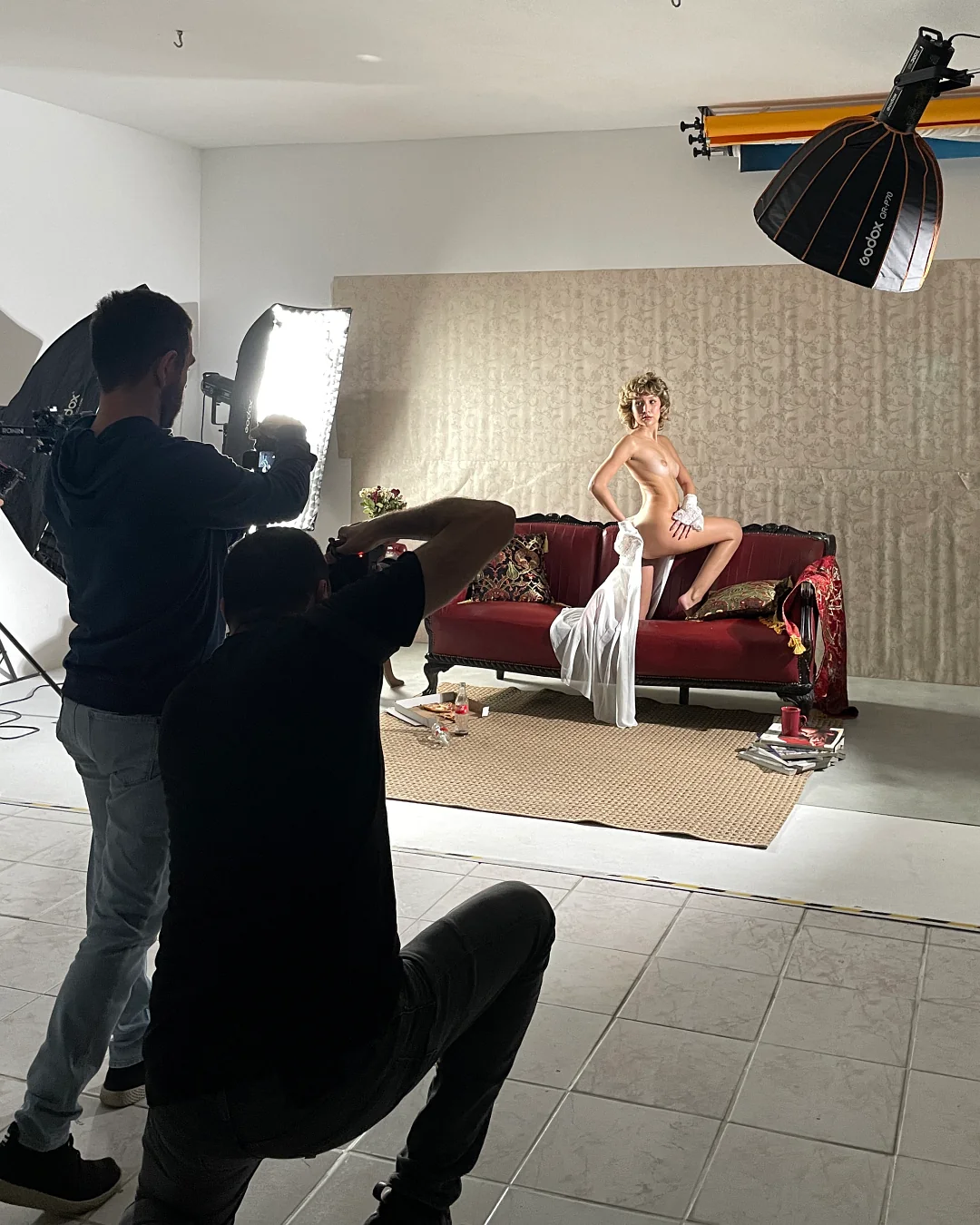
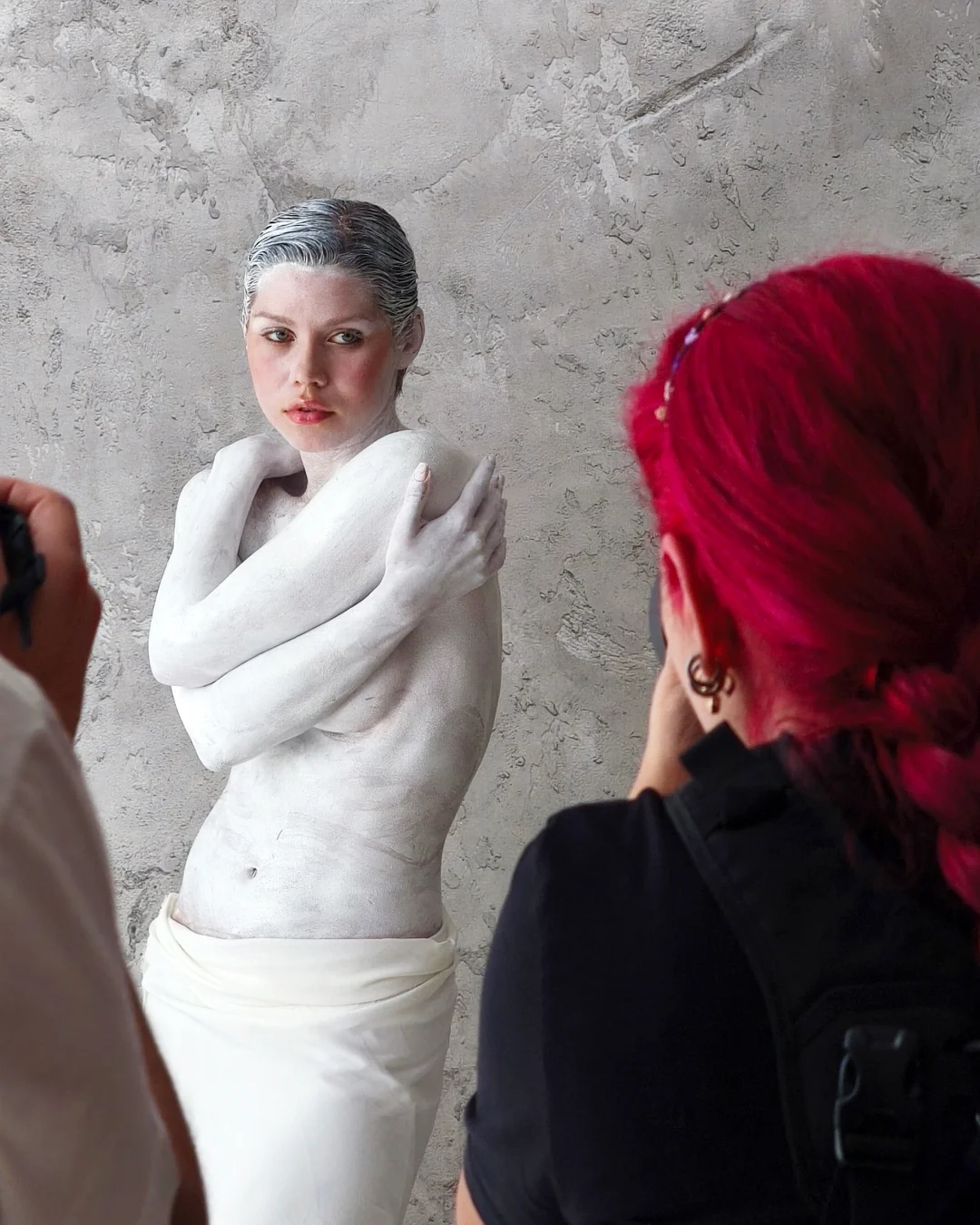
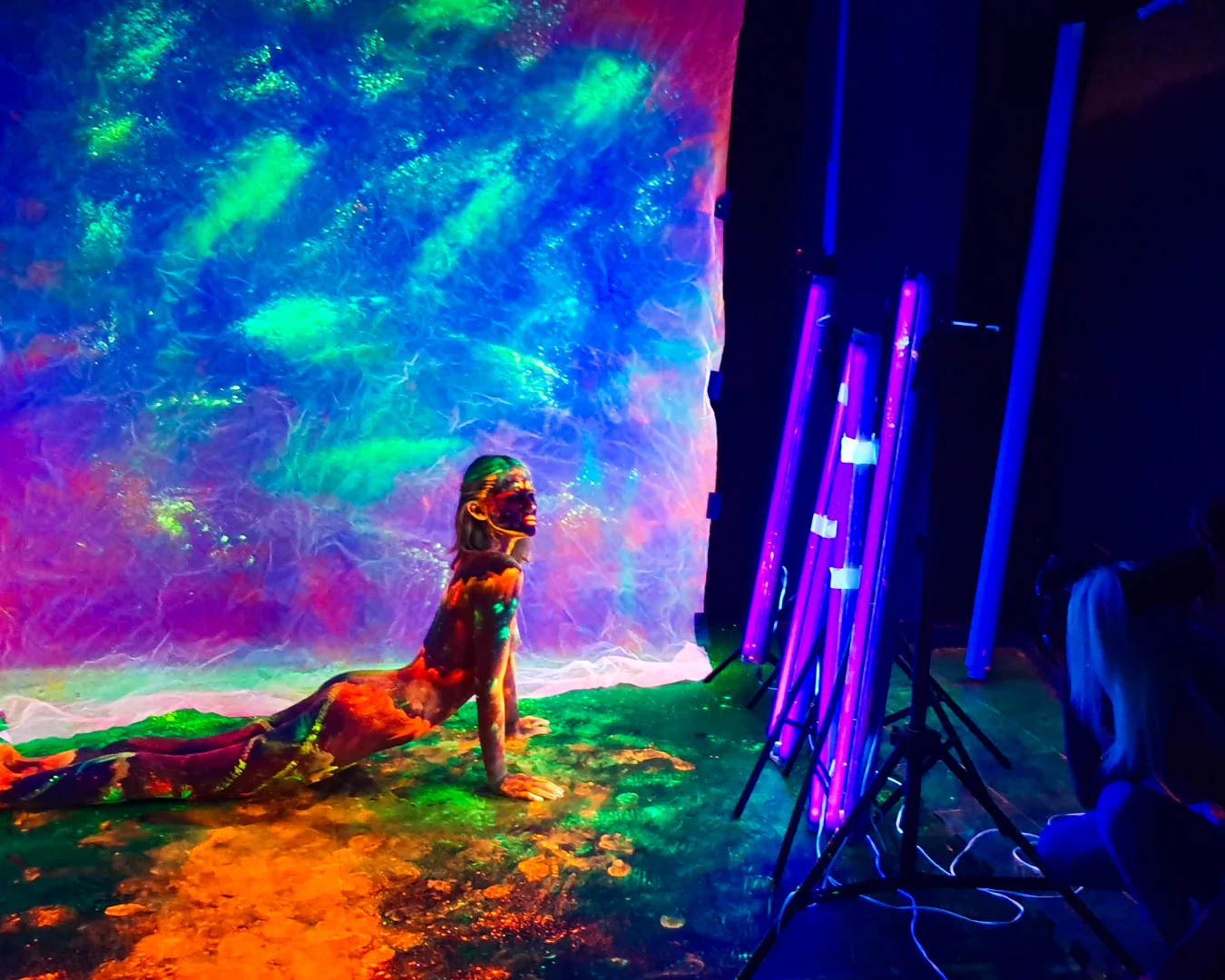
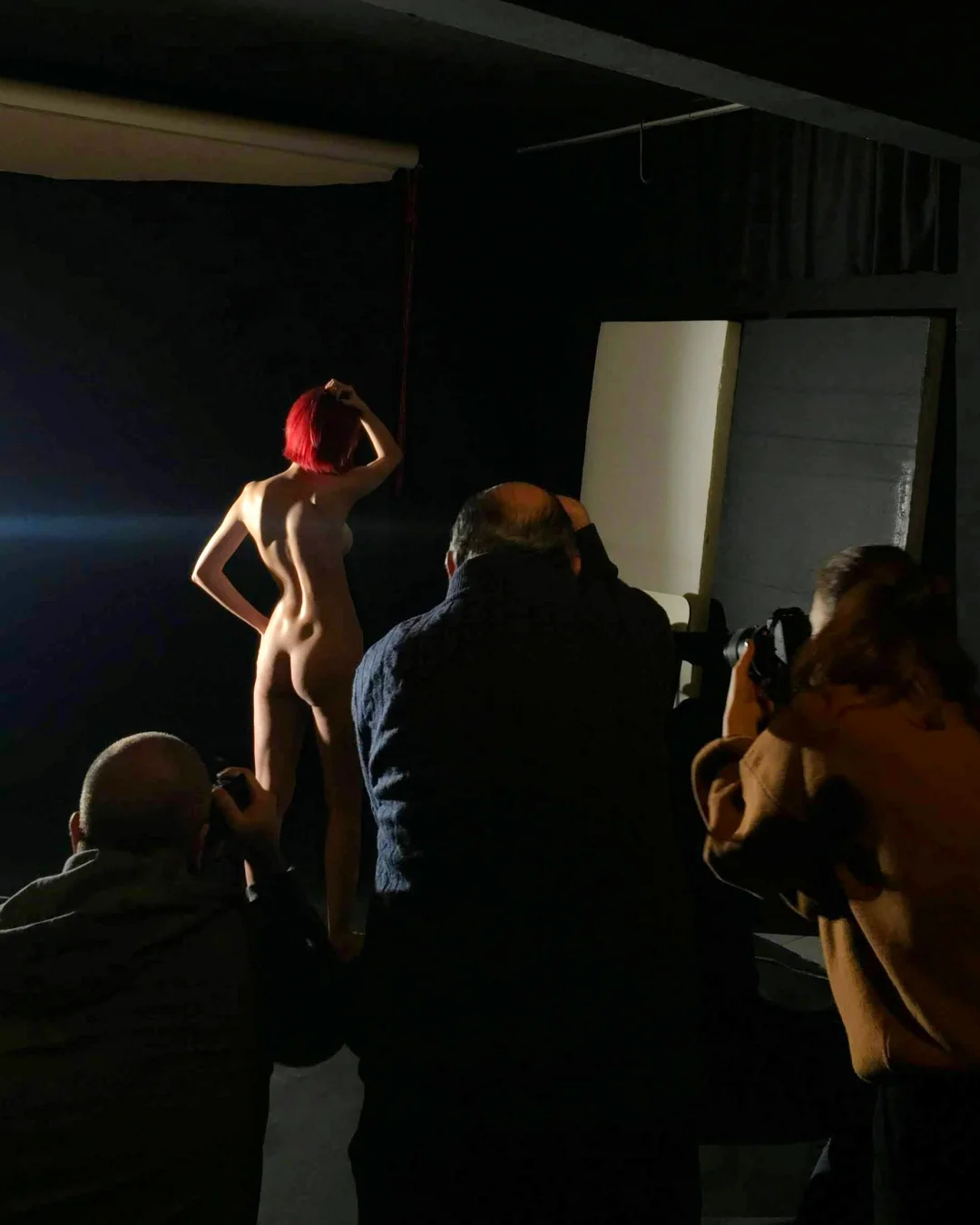
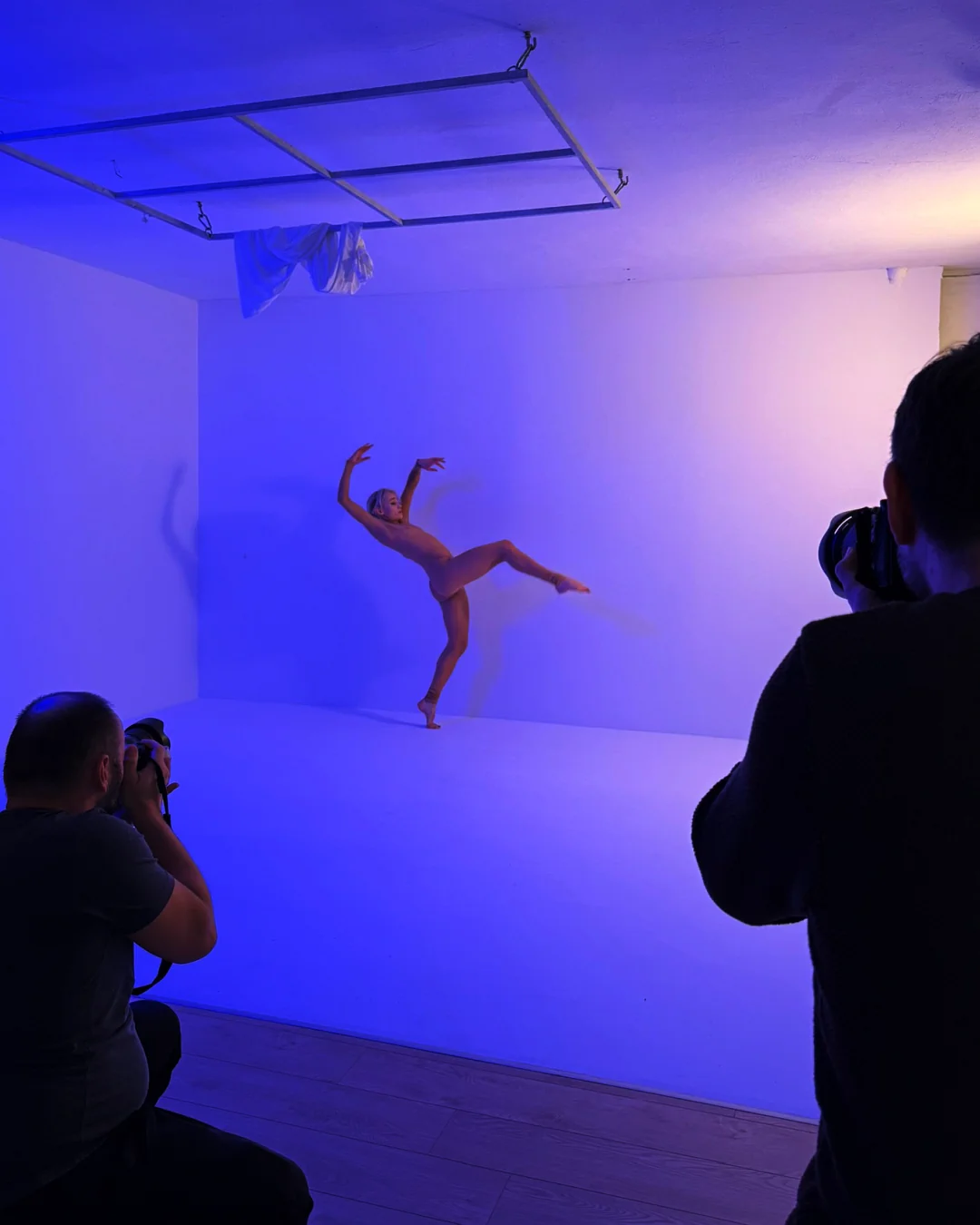
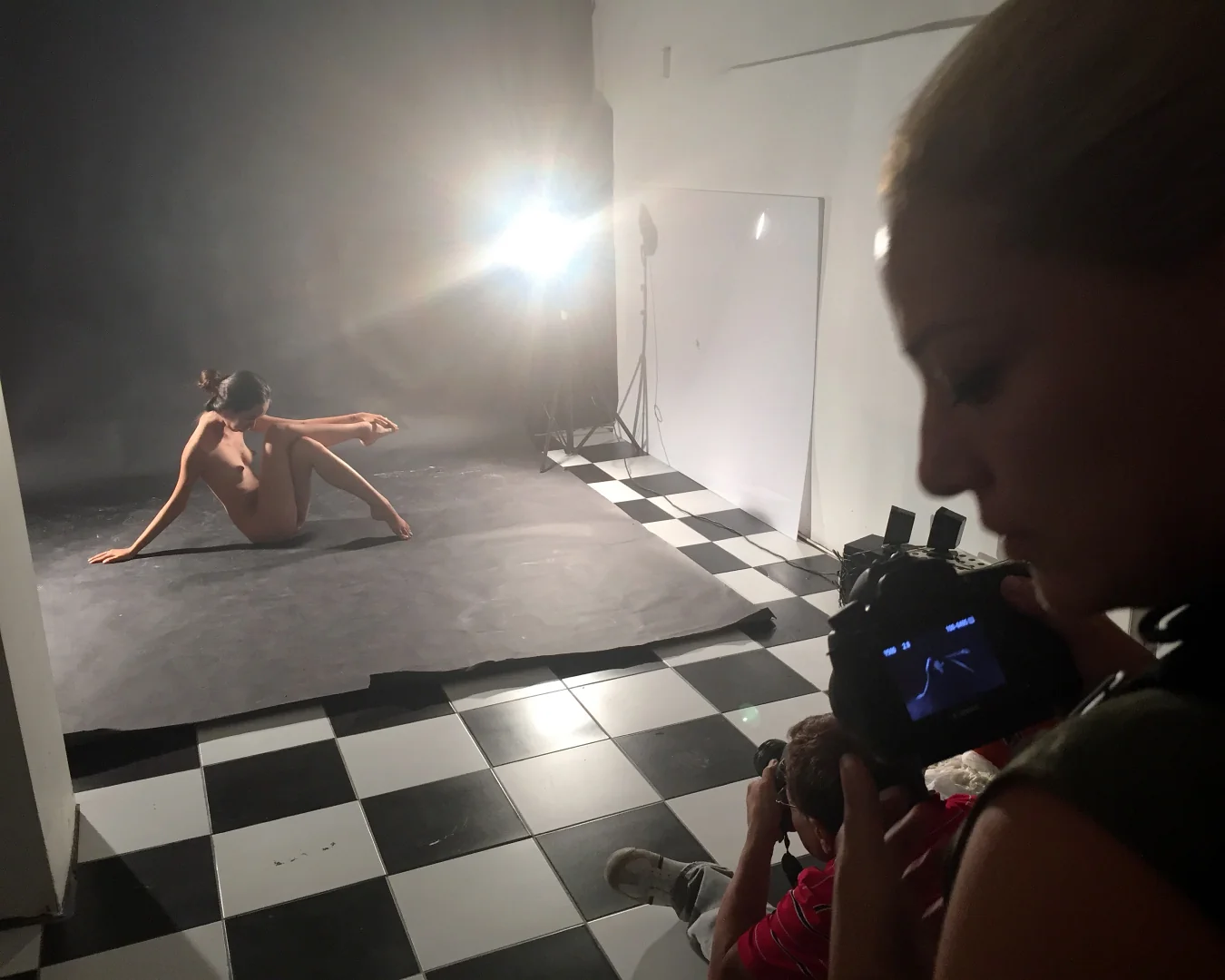
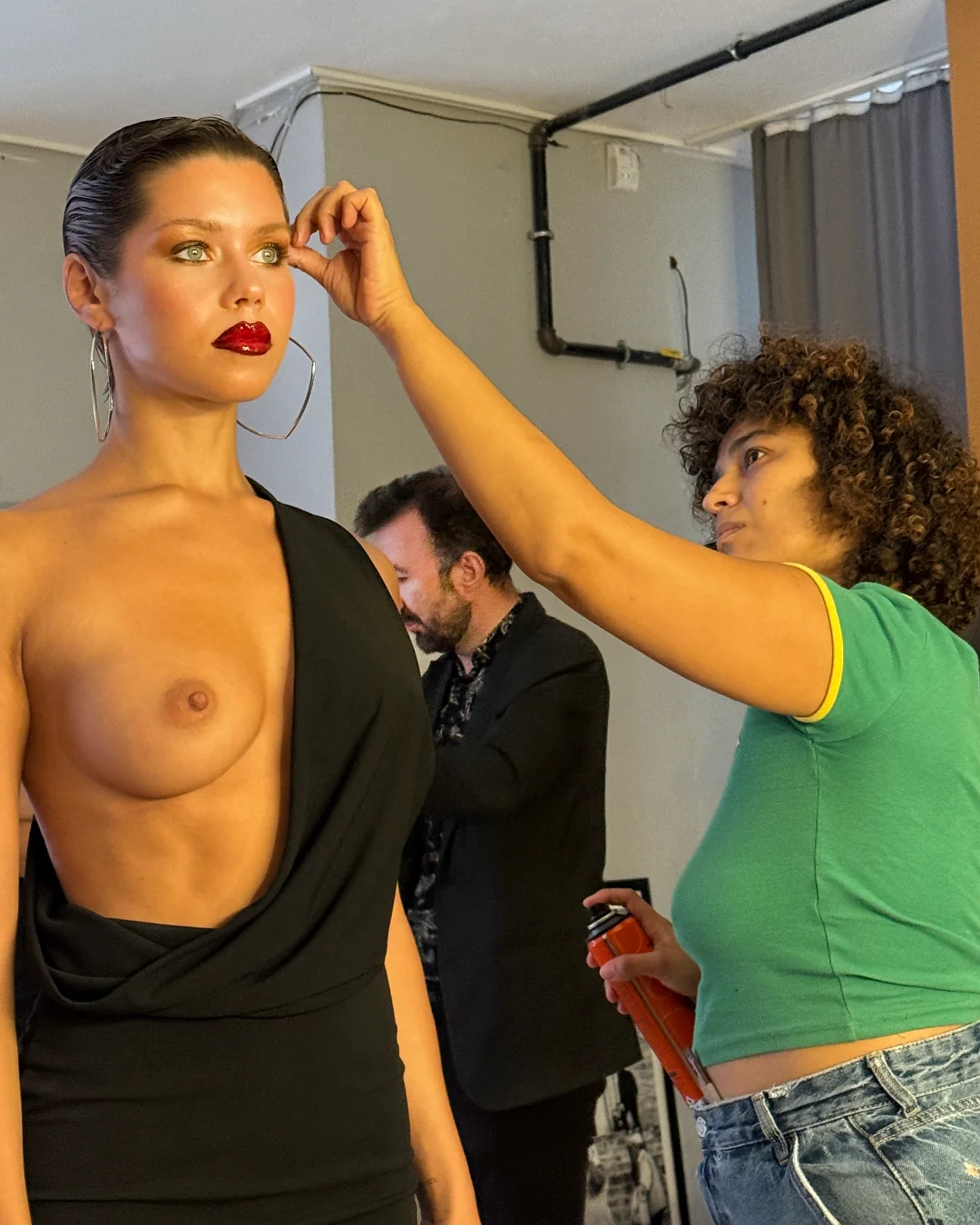
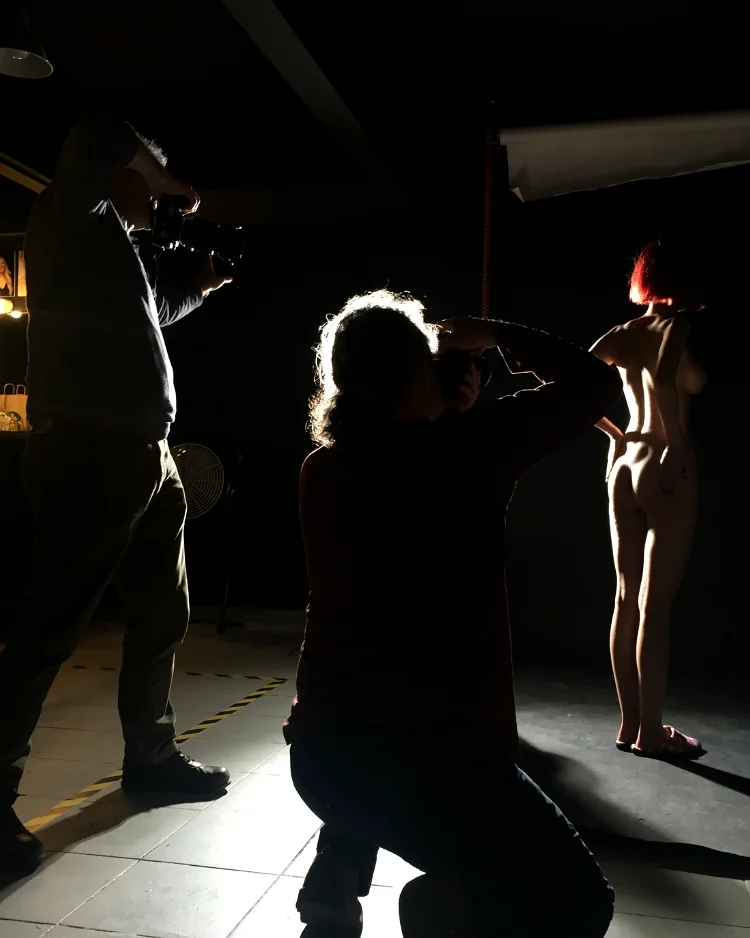
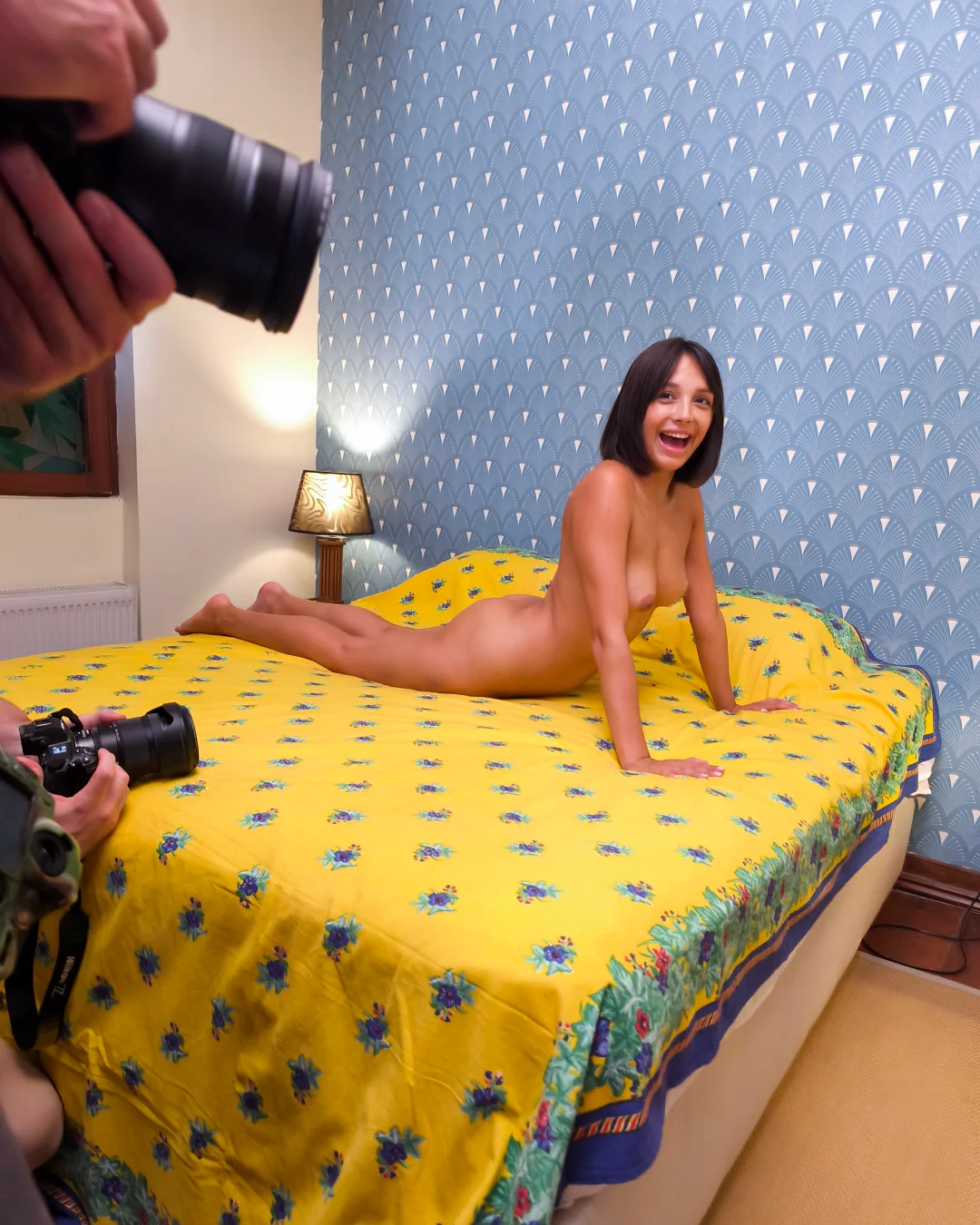
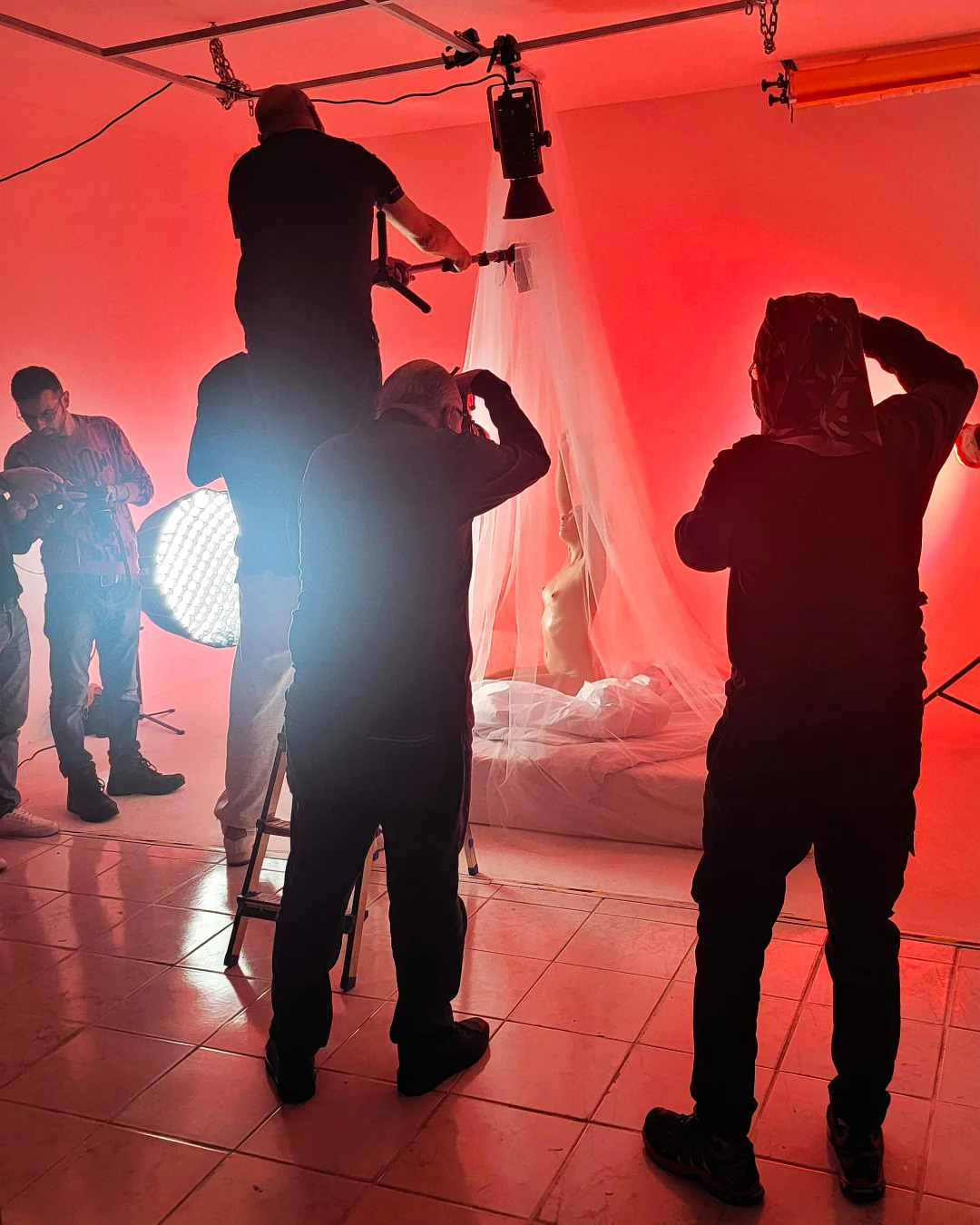
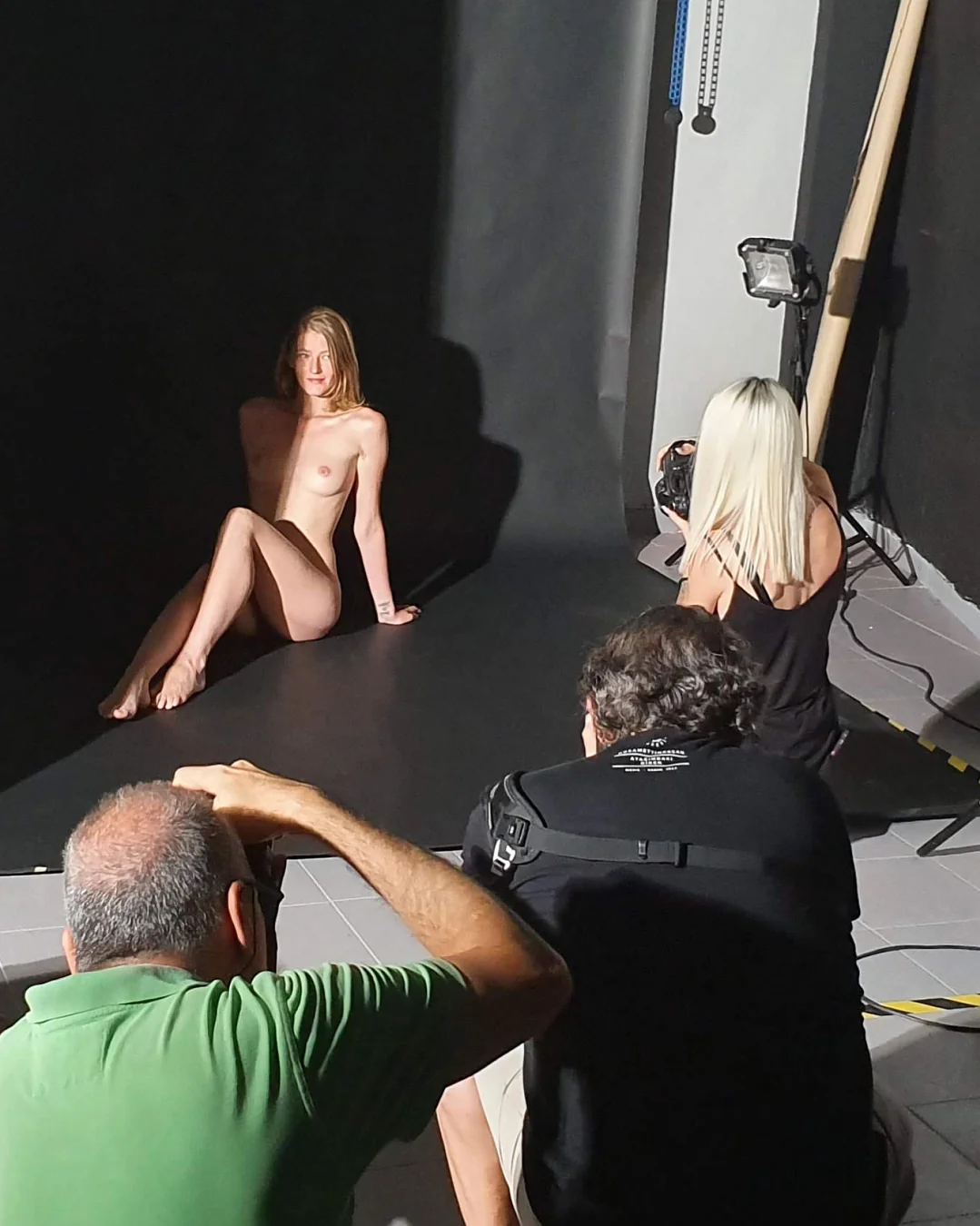
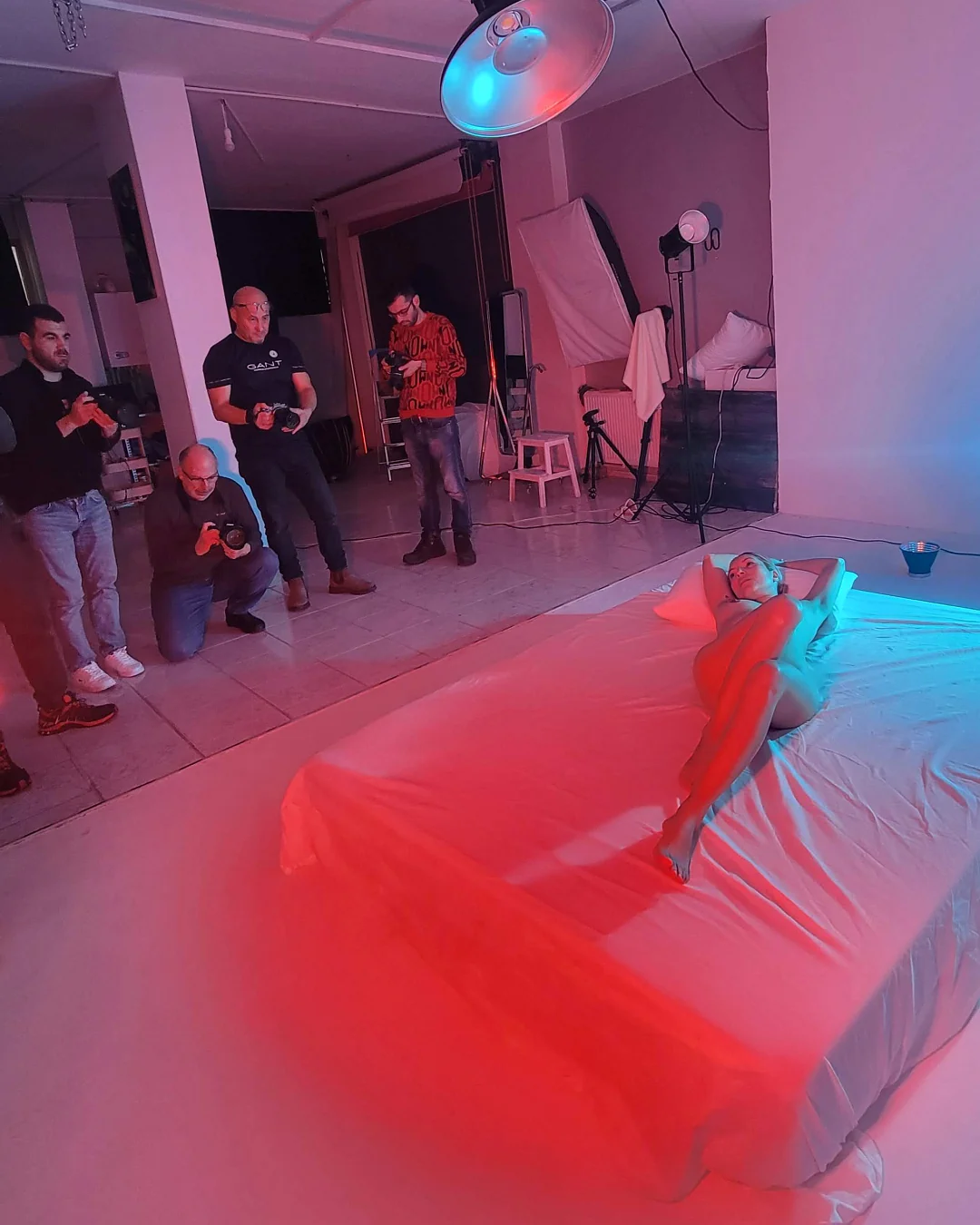
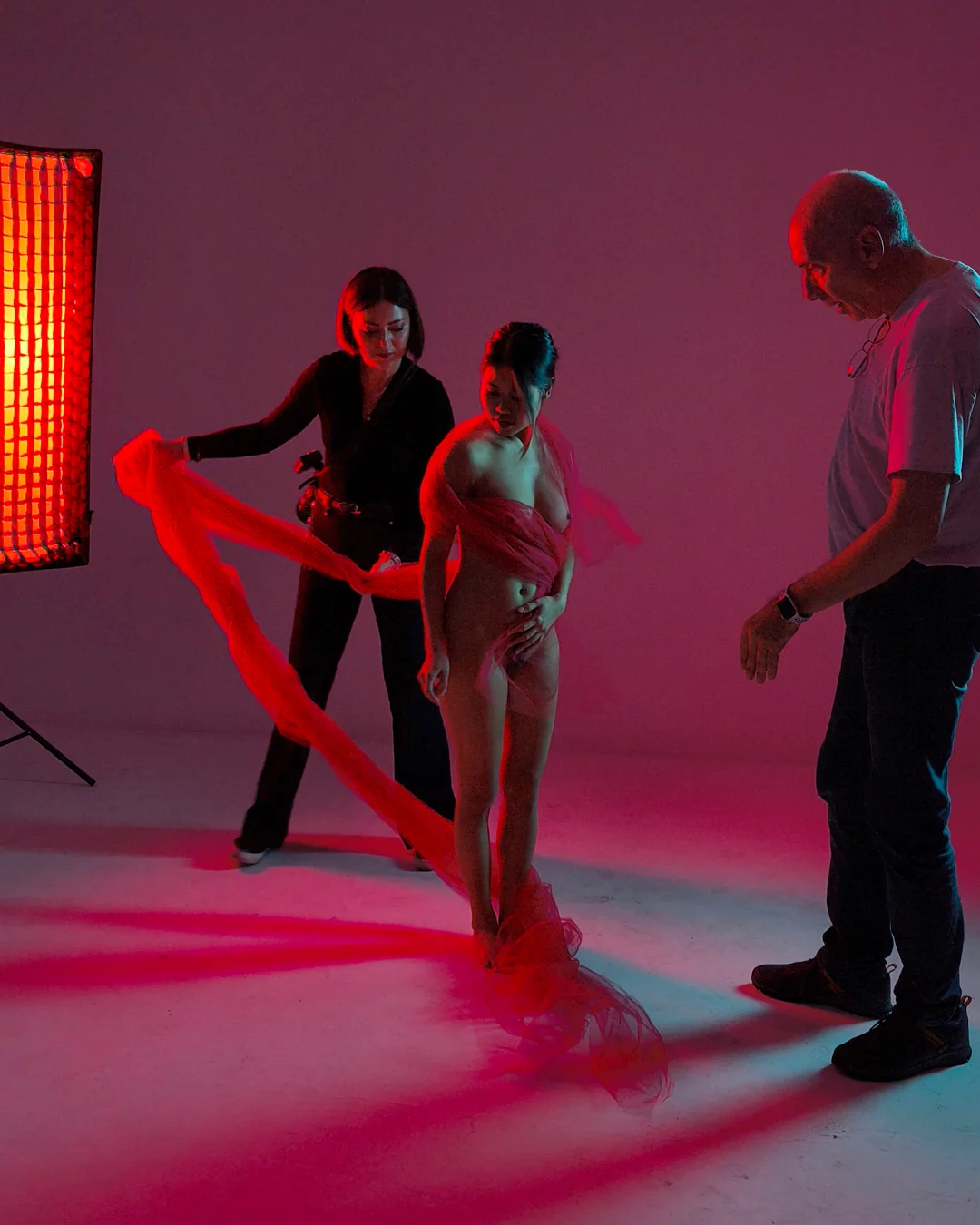
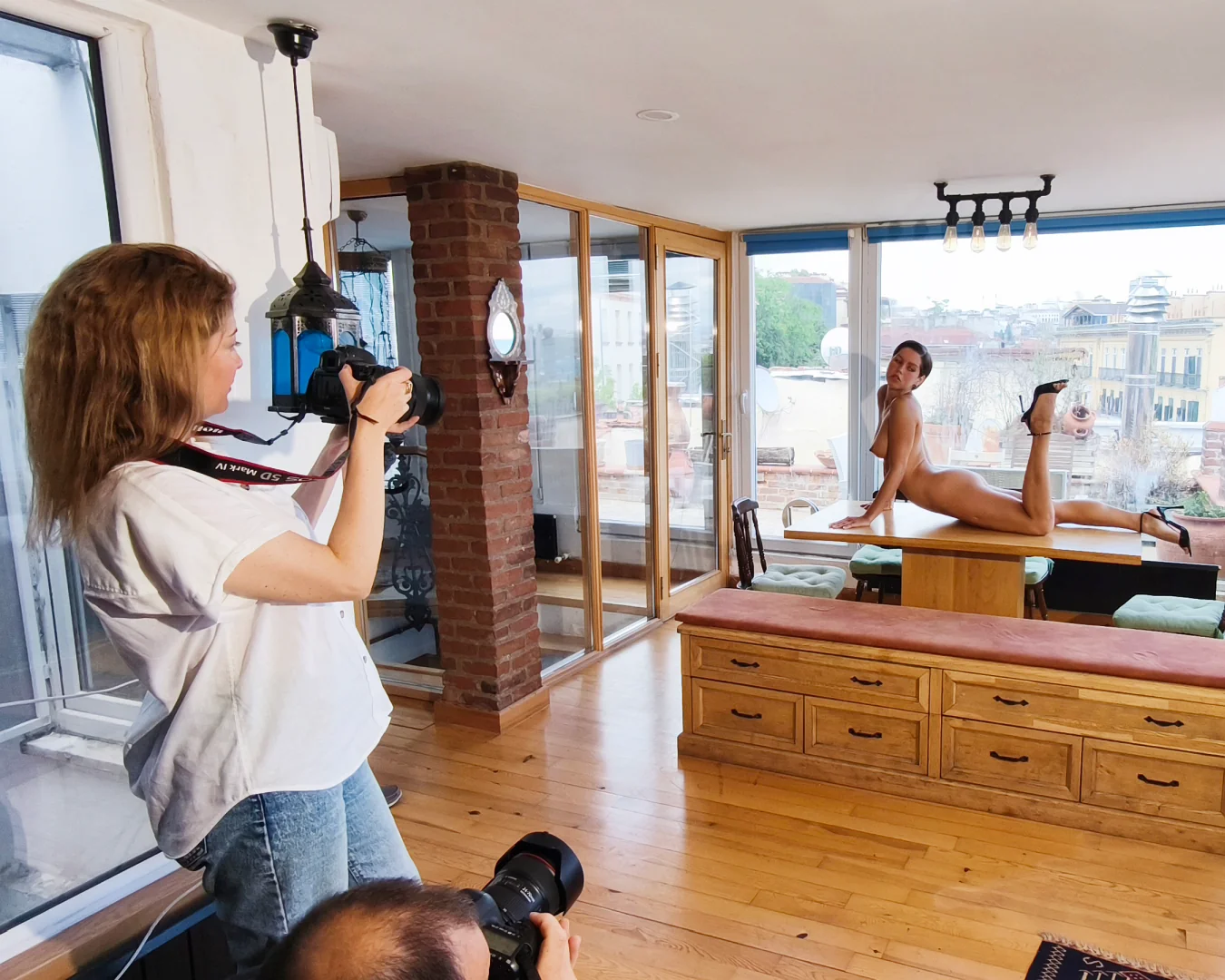
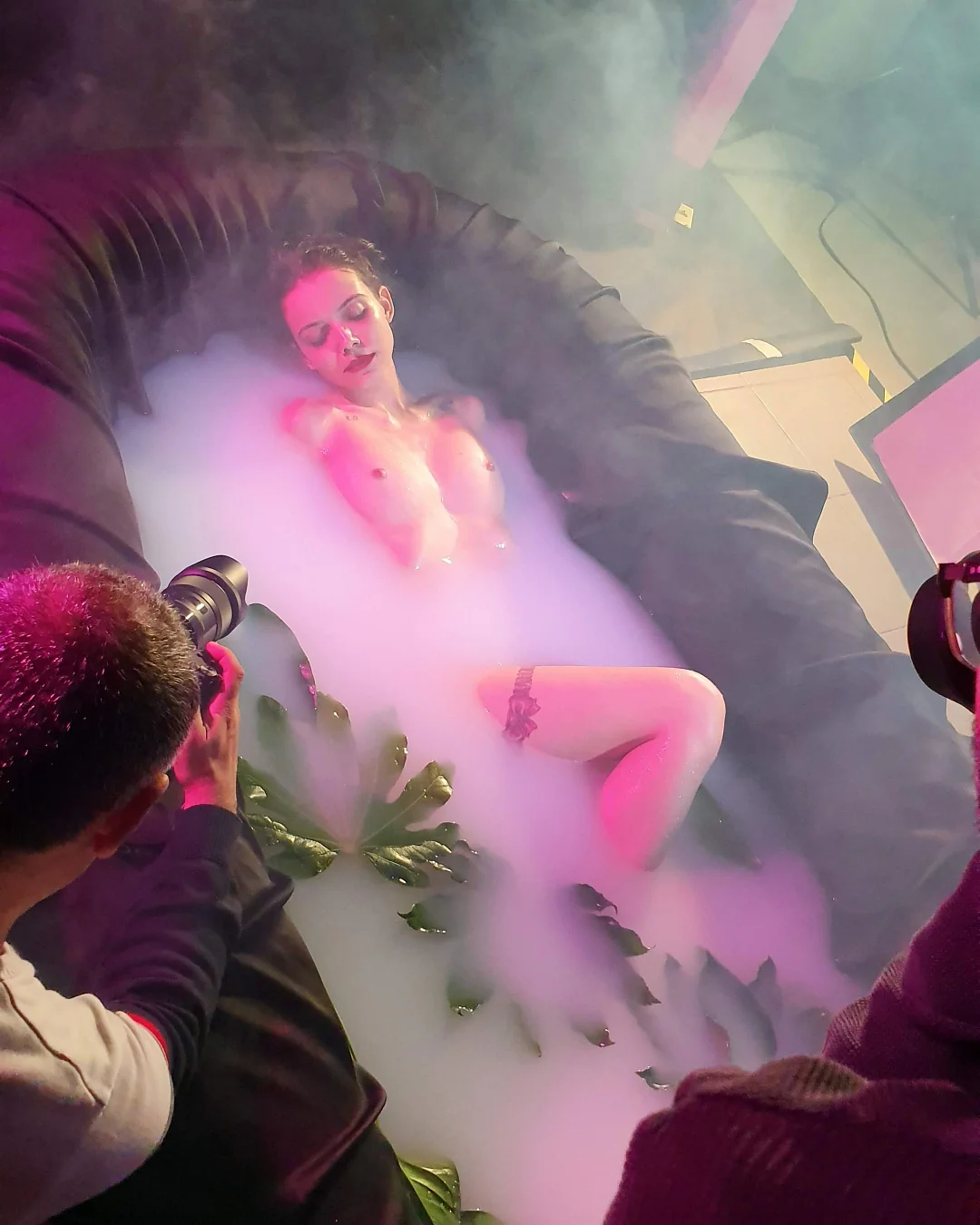
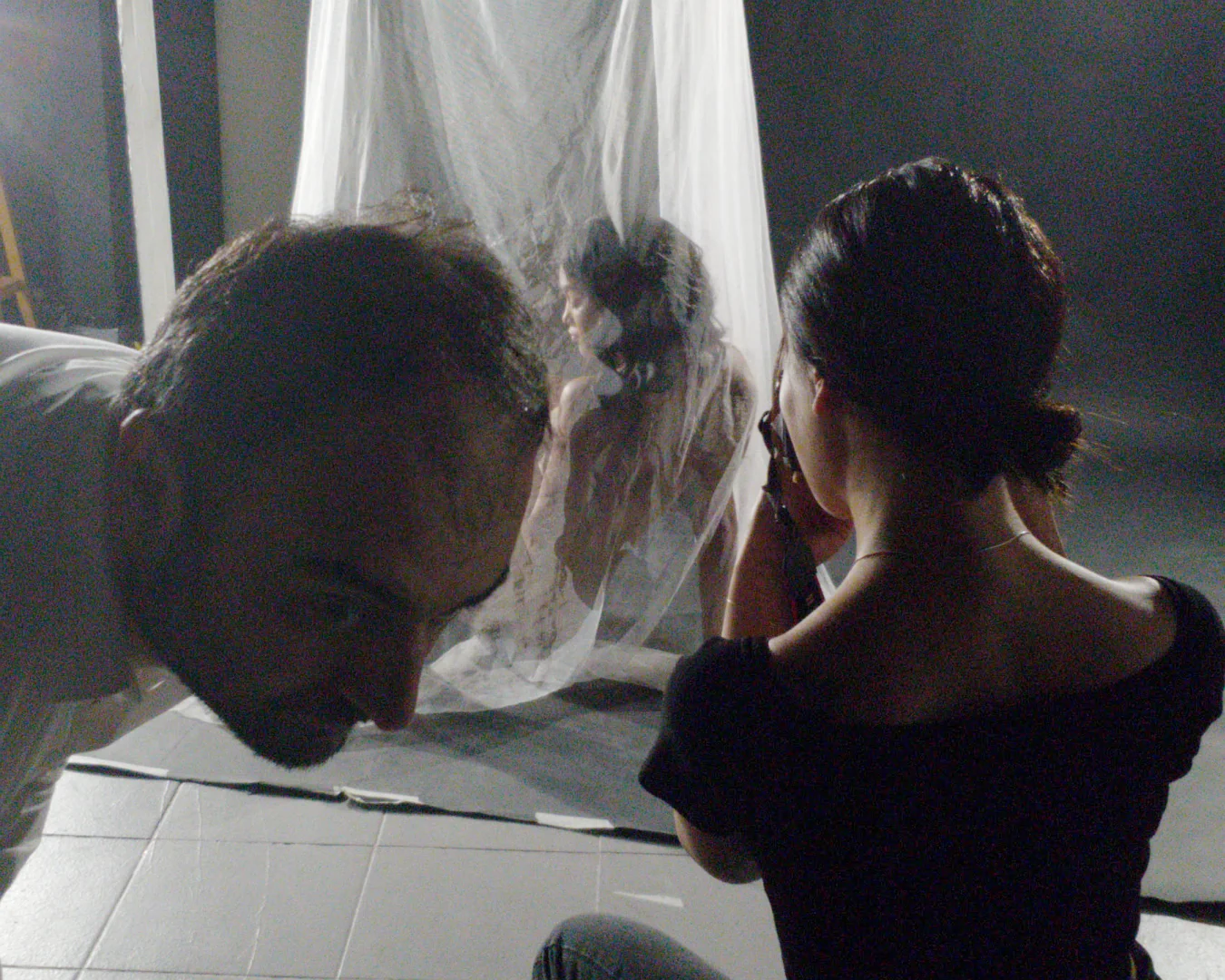
The gallery below provide a direct look at the room. You will see the pacing, the lighting adjustments, and how Burak transitions between group instruction and individual shooting windows. Review this section to understand the set atmosphere before joining a session.
Fourteen years of this practice have built a wider creative community. In July 2026, The Nudes of Istanbul exhibition presented fourteen photographers from this group at Die Akt Galerie, Berlin, alongside an ISBN hardcover book.
What You Are Looking At
Key details to notice as you watch the footage and explore the gallery.
Concentration, Not Performance
The group starts every lighting setup together under Burak’s direction. Participants observe how the light behaves, see the model adapt to the visual concept, and learn directly from real-time adjustments on set.
Simple Sources, Precise Decisions
Most setups rely on one or two lights. The craft is in shaping, angling, and positioning the source to define form and mood. The lighting changes three or four times over a three-hour session, adapting to new ideas from the room and the model.
Model as Collaborator
Direction is a mix of clear communication and physical cues. The model brings professional experience and interpretation to the set, while the photographer responds with precise lighting, timing, and composition.








































Fourteen Years of Workshops: A Working Archive
The workshop began in Istanbul in 2012 and developed into a multi-city operation with Berlin as its European base. These are the key milestones.
The First Sessions
The workshop began as a small studio gathering for photographers who wanted to study the human form through light and direction. The core principles were established early: small groups, professional models, multiple lighting setups, and real-time instruction on set.
A Single Venice Session
A travel workshop built around residential interiors and the city’s reflected light. This experience informed future location-based sessions.
A Single Aegean Session
A unique workshop shaped by Aegean light and stone interiors. This remains a one-time chapter in the archive.
The Berlin Chapter
Berlin became the primary European base, providing access to professional models and studios with highly controllable light. Sessions run here a few times each year.
The Slow Years
Travel paused and group sizes reduced. This period focused on expanding the workshop archive and developing written materials on lighting, representation, and set ethics.
The Current Format
Workshops now run selectively between Berlin and Istanbul, with no more than six photographers per session. Across its full history, the programme has hosted more than 50 workshops and welcomed over 300 photographers.
The Nudes of Istanbul: The Curatorial Chapter
The Nudes of Istanbul, curated by Burak Bulut Yıldırım, presented fourteen photographers from the Istanbul workshop community at Die Akt Galerie, Berlin. The exhibition was accompanied by an ISBN hardcover publication featuring Burak’s curatorial foreword A Body Held in the Room and essays by three of the models. Full curatorial statement →
The Next Chapter
The first London sessions are being developed in English, maintaining the same small-group and lighting-focused approach. New dates reach the early-access list first.
Cities in the Workshop Archive
Each city provides a different physical context. The locations change, but the strict attention to light and form remains constant.
Professional studios and access to a strong international model network. Selected sessions run a few times a year.
Where the workshop began and built its core community. Sessions are held in Turkish.
A location workshop defined by residential interiors and reflected light from the water.
An Aegean workshop built around stone interiors and natural light.
The upcoming European location: small-group, English-language sessions focused on precise lighting.
The Working Rhythm of a Session
A typical three-hour Berlin workshop
Meet the Model and Review the Plan
The session opens with a brief introduction to the model, the lighting setup, and the image-use terms. Everyone aligns on the rules before shooting starts.
Guided Group Shooting
Burak sets the light and directs the model. Participants shoot as a group to understand the visual concept and observe how minor adjustments alter the frame.
Individual Framing Time
Each photographer gets a short window to shoot from their own angle and make personal framing choices. The workflow stays flexible.
Multiple Lighting Setups
The lighting and model direction change three to four times throughout the session. Short breaks are included to maintain focus.
Clear Image-Use Terms
The session ends by confirming the agreed image-use terms. Post-production is not covered; the full three hours are dedicated strictly to in-camera work and lighting.
From the Workshop Archive
Posters · Berlin sessions · 2024
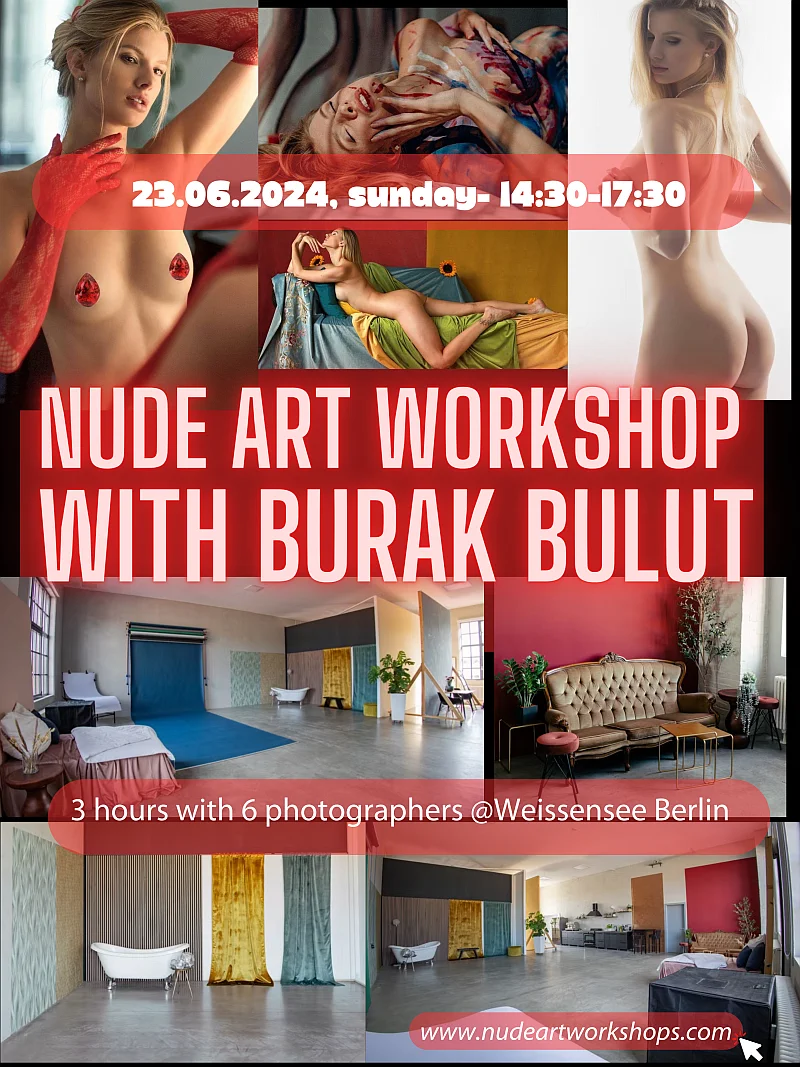
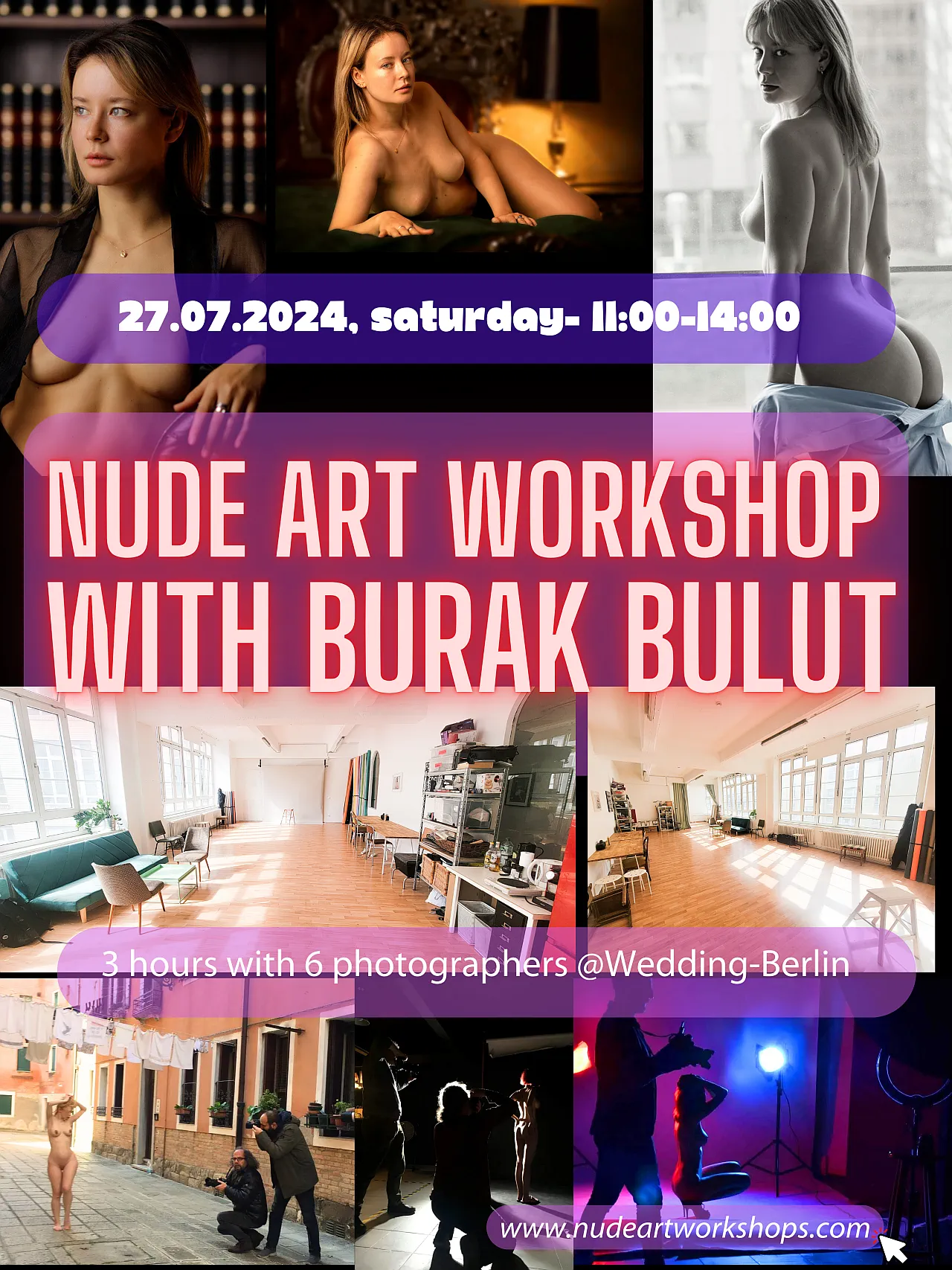
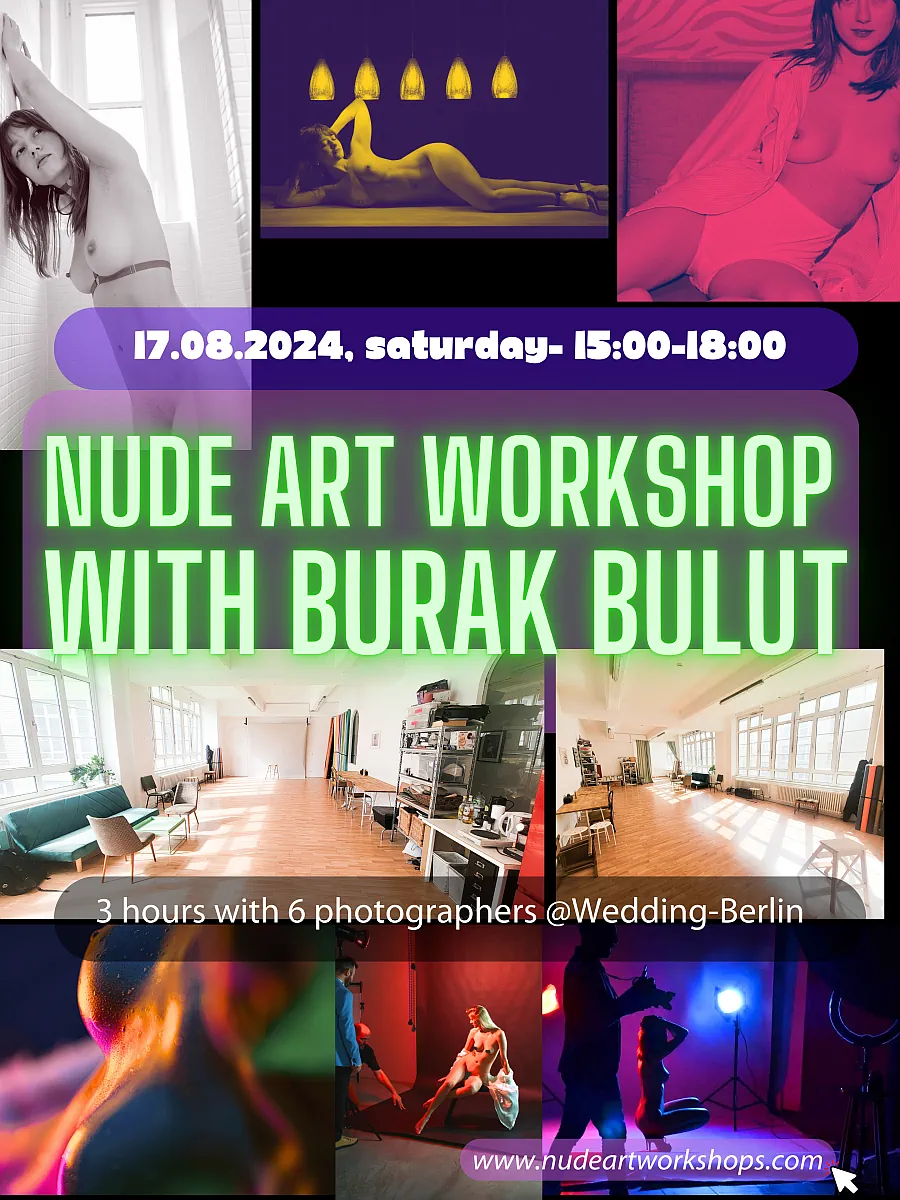
Each poster represents a specific concept, lighting design, and photographer group. The broader archive is visible in the galleries on this page.
What You Don’t See in the Final Frame
Four working layers that support the three-hour session.
The Model Brief
The model receives the visual concept, practical details, and agreed working boundaries before arriving. This gives the session a clear starting point while leaving room for the model’s experience and interpretation.
The Lighting Plan
Three to four lighting designs are prepared for the model, space, and concept. They are starting positions rather than fixed scripts: light, pose, and working distance can evolve once the model is in the room.
The Pacing
Each design begins with guided group shooting, followed by brief individual framing windows. Lighting changes, small spatial or pose variations, and two or three short breaks complete the three-hour rhythm.
The Written Agreement
Each session works within clear written image-use terms covering permitted uses, credit expectations, and the model’s agreed consent boundaries. Participants know how the photographs may be shared and used.
The Reading Behind the Method
The same ideas that shape the workshops also guide the writing: light, perception, representation, art history, and the relationship between photographer and model.
The Evolution of Nude Art Photography — 160 Influential Artists Through History
Read article →Women in Nude Art Photography — Challenging Perspectives, Redefining the Genre
Read article →The Nudes of Istanbul — A Fourteen-Year Project
Fourteen years of workshop history became an exhibition, a book, and a record of the community on both sides of the camera.
The Nudes of Istanbul, curated by Burak Bulut Yıldırım, presented fourteen photographers from the Istanbul workshop community at Die Akt Galerie, Berlin. The work developed across fourteen years of workshops and continued artistic practice.
The exhibition was accompanied by an ISBN hardcover publication (ISBN 978-3-00-087439-0 · Mijuk Papers Berlin · first edition of 75), opening with Burak’s curatorial foreword A Body Held in the Room. It also included essays by models Zeynep Renda, Su Yeşil, and Marmelat, placing their perspectives alongside the photographs in the published record.
The project is a public record of the continuity behind these workshops: concept, collaboration, photography, community, and work that continued to develop over time.
Ready to Step Into the Room?
Join the early-access list for the next Berlin date, the first London sessions, and selected European editions. Six seats per workshop; subscribers see new dates first.
hello@nudeartworkshops.com · Instagram: @nudeartworkshops