
The Body as a Question: An Existentialist Guide to Nude Art Photography
In the field of nude art photography, the unclothed human form becomes a powerful canvas not only for exploring beauty, but for confronting the most profound questions of our existence. Existentialism, with its intense focus on individual existence, freedom, authenticity, and the search for meaning in a meaningless world, offers a particularly rich framework for this exploration. It provides a powerful lens for transforming the nude photograph from a simple study of form into a statement on the human condition. This extended guide examines how the ideas of existentialist thinkers like Jean-Paul Sartre, Simone de Beauvoir, and Albert Camus can inform and inspire a deeper, more meaningful approach to nude art, creating images that resonate with the very core of human experience.
I write from the position of a practicing photographer and educator in Berlin, where these philosophical questions enter the studio as decisions about direction, consent, space and the meaning assigned to a body. They also shape the concept-first sessions described on the Nude Art Workshops homepage.
My position is simple: a nude photograph that asks no question of the body is usually decoration. The questions may concern freedom, mortality, gender, solitude or the gaze, but something must be at stake beyond exposure itself.
Understanding Existentialism: Core Concepts for the Visual Artist
Existentialism is a family argument rather than a tidy doctrine. Heidegger, Sartre, Beauvoir and Camus disagree sharply, and Camus rejected the label altogether, but all four return to the same pressure point: a human being is embodied, unfinished and forced to make meaning inside conditions they did not fully choose. That is precisely why existentialism belongs in nude photography. The unclothed body is where freedom collides with gravity, history, desire, shame and mortality.
These concepts are not decorative references to pin onto an image after the shoot. They are engines for making pictures. Freedom becomes a step taken or refused; facticity becomes the wall, scar, age or weight the body cannot escape; alienation becomes distance inside the frame. A strong existential nude does not illustrate philosophy. It makes the viewer feel its problem.
1. Existence Precedes Essence (Jean-Paul Sartre)
This is the cornerstone of Sartre's existentialism. It means that we are born into the world without a predetermined purpose or "essence." We simply exist first. It is through our choices, actions, and lived experiences that we define who we are. We are the sum of our actions. In photography, this translates to capturing the body not as a static object with a fixed identity, but as a dynamic entity in a constant state of becoming. Arno Rafael Minkkinen's work offers a clear visual analogy for this idea. As seen in the image, he often merges his own nude form with the landscape, creating a new, hybrid being. He is not only in the landscape; he is actively creating his essence through his interaction with it.

Arno Rafael Minkkinen
2. Freedom and Responsibility (Jean-Paul Sartre)
Sartre famously claimed we are "condemned to be free." This means we are radically free to choose our path, but this absolute freedom comes with an equally absolute responsibility for the consequences of those choices. This "terrible freedom" is a heavy burden. Photographically, this concept can be explored by creating images that convey the weight and gravity of choice. The photograph by Philip Hy powerfully visualizes this concept. The figure, suspended in a leap against a vast, empty sky, embodies a moment of pure freedom, yet the starkness of the composition also suggests isolation and the profound responsibility that comes with such a leap into the unknown.

Philip Hy
3. Authenticity (Martin Heidegger)
Authenticity is the refusal to live entirely through roles supplied by other people. Nude photography is unusually suited to that conflict because clothing is one of our most immediate social uniforms. Removing it does not magically reveal a pure soul, but it does strip away one layer of public identity and make the remaining performance harder to ignore. A constructed image can be brutally honest; a casual-looking photograph can be a complete lie.

In the studio, I do not wait for an accidental “true self” to appear. I create conditions in which the model can choose rather than merely comply: where to stand, when to look back, what to conceal, how long to hold tension, and which images may leave the room. That negotiation is not administrative preparation. It is the photograph’s existential content, and it connects directly with the psychology of trust and power in nude photography.
4. The Absurd (Albert Camus)
Camus defined the Absurd as the conflict between humanity's relentless search for meaning and purpose, and the universe's silent, utter indifference to that search. We crave logic and reason in a world that offers none. Art that embraces the Absurd often uses bizarre juxtapositions and dark humor to highlight this conflict. The Surrealists, like Man Ray, were masters of the Absurd. In his famous 1936 photograph, a nude is juxtaposed with an armillary sphere, a scientific instrument used to model the cosmos. This pairing of the vulnerable human form with a model of a vast, unfeeling universe is a perfect visual metaphor for the existential absurd.

Man Ray
5. Being-in-the-World (Martin Heidegger)
For Heidegger, we don't exist in a vacuum. Our existence ("Dasein") is fundamentally defined by our relationship with the world around us, the objects, the environment, and the culture we are "thrown" into. We are shaped by our world, and in turn, we shape it. In photography, this means the environment is never just a backdrop; it is an active participant in the story of the subject. Burak Bulut Yıldırım's "Hidden Heaven" series captures this beautifully. The nude figure is not only placed in nature but is deeply integrated with it, her body echoing the forms of the rocks and water, illustrating a profound state of 'being-in-the-world.'
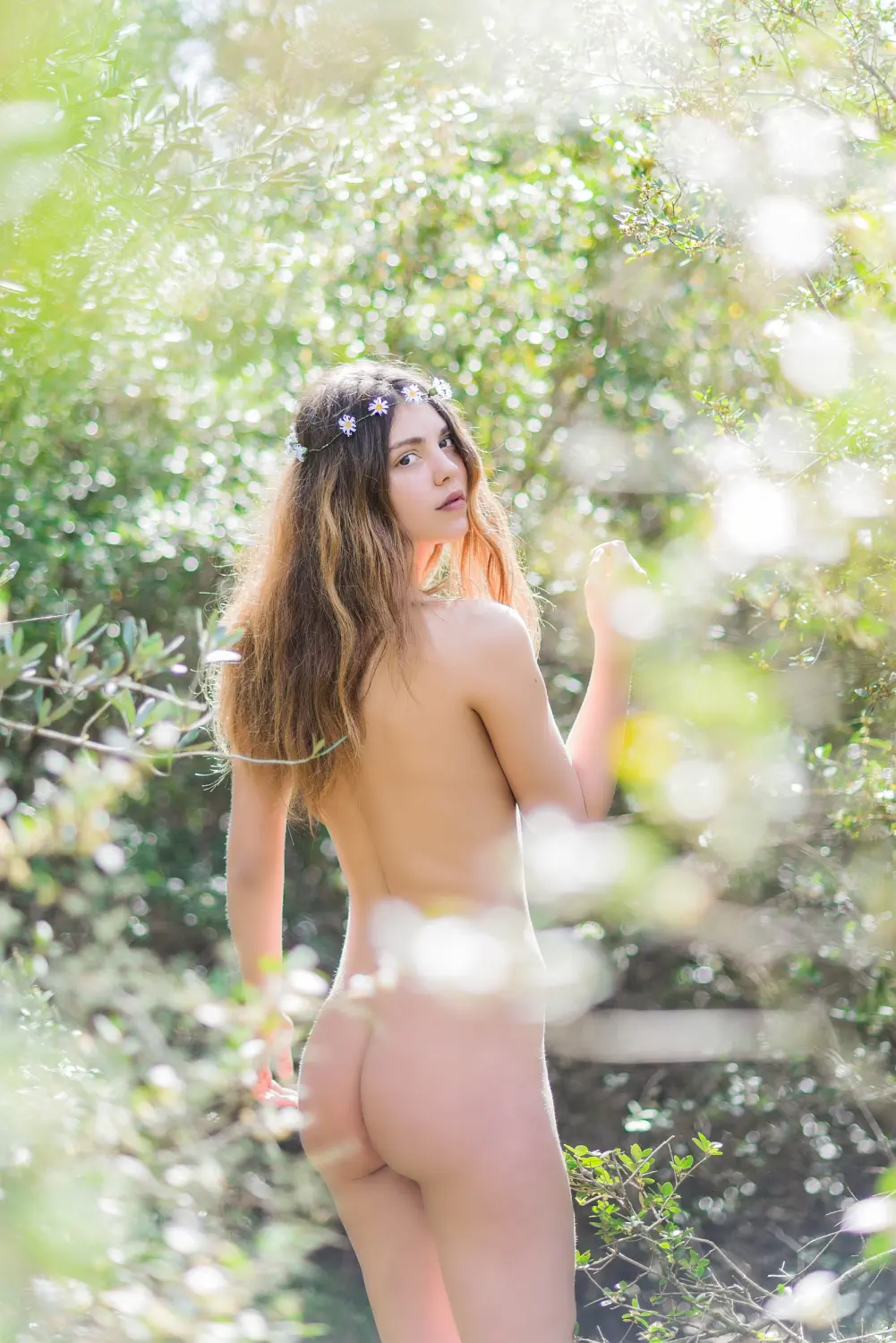
A practical consequence follows. Do not ask only whether the location looks dramatic. Ask what the floor does to the feet, whether cold changes the shoulders, whether distance from a wall alters the model's breathing, and what cultural history the setting carries. The body does not illustrate the environment; both produce the image together.
6. Bad Faith (Jean-Paul Sartre)
Bad Faith is a form of self-deception. It's when we lie to ourselves to escape the anxiety of our freedom. We pretend we have no choice, blaming our circumstances or our "nature" for our actions, thus denying our responsibility. Visually, this can be represented through themes of constraint, conformity, or the performance of a role. Robert Mapplethorpe's work often explores the tension between constraint and liberation. The image shown, with its leather-clad figure, can be read through this lens, questioning the line between chosen identity (authenticity) and a role that confines the self (bad faith).

Robert Mapplethorpe
7. The Other (Simone de Beauvoir)
Our sense of self is not formed in isolation. It is profoundly shaped by our interactions with other people, "the Other." We see ourselves through the eyes of others, and their gaze can both affirm and objectify us. This concept is central to understanding relationships and power dynamics. In photography, this can be explored through the interaction between two or more figures, or even in a single portrait that acknowledges the presence of the viewer. Edward Weston's nudes of Tina Modotti, like the one pictured, are a powerful study of this dynamic, a moment of profound intimacy and connection that explores the relationship between two distinct beings.

Edward Weston
Applying Existentialist Concepts to Nude Photography
1. Capturing Authenticity
To create an authentic portrait is to move beyond the superficial pose and capture something of the subject's true self. This requires building trust and creating an environment where vulnerability is possible.
- Technique: Unposed Authenticity. Encourage subjects to move, breathe, and simply exist in the space without the pressure of holding a specific pose. Capture the in-between moments, a spontaneous gesture, a thoughtful expression, that reveal their character. The photograph by Manola Singian is a useful example, capturing a quiet, contemplative moment that feels genuine and unperformed.
- Technique: Narrative Self-Portraiture. For self-portraits, create a series that tells the honest story of your own process towards authenticity, including the struggles and the triumphs.
- Technique: Environmental Authenticity. Photograph subjects in spaces that hold deep personal significance for them, a childhood home, a favorite natural spot. Their authentic self will emerge more easily when they are in relation to an environment they love.
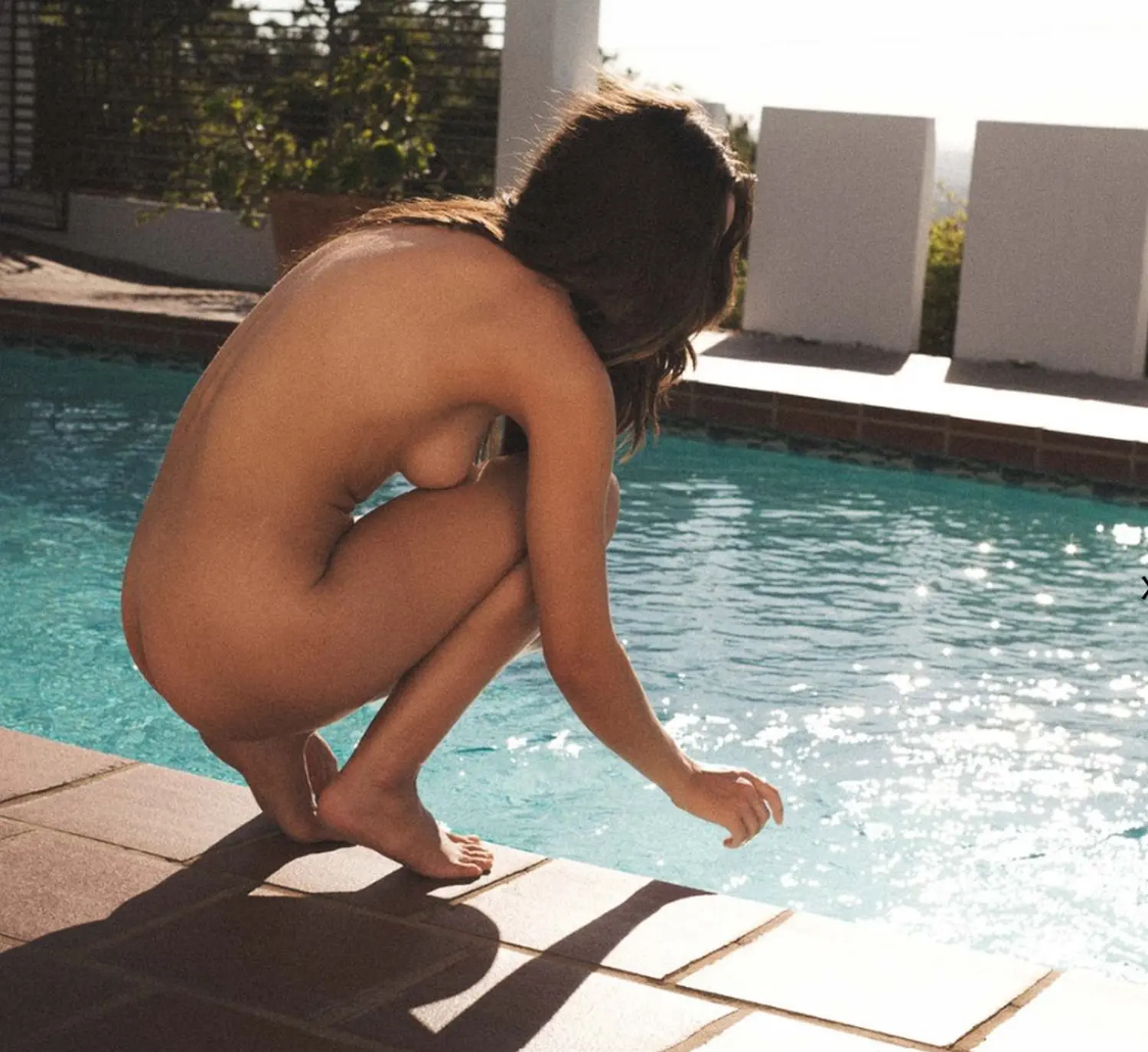
Manola Singian
2. Visualizing Freedom
How do you photograph an abstract concept like freedom? By focusing on choice, action, and the tension between constraint and liberation.
- Technique: Choice Points. Stage an image that represents a moment of decision, a figure at a crossroads, on a ledge, or stepping out of a shadow. Use composition, like leading lines or framing, to emphasize the weight of the choice.
- Technique: Freedom in Constraint. Explore the paradox of freedom by photographing nudes in tightly confined spaces or situations (like the bound figure in Guido Argentini's powerful image). This highlights the idea that even in physical constraint, the mind and spirit can choose their response, asserting an inner freedom.
- Technique: Responsibility's Shadow. Use dramatic shadow play. A long, dark shadow trailing a free-moving figure can be a powerful visual metaphor for the responsibility that always accompanies our freedom.

Guido Argentini
Fine-Art Nude Photography Workshops · Since 2012
Join the Workshop List
Nude Art Workshops is a small-group programme founded by photographer and educator Burak Bulut Yıldırım. We run concept-led sessions with professional model collaborators and a maximum of six photographers.
Join the list for new workshop dates, visiting models, new cities, and programme updates. Subscribers usually hear about new sessions before public announcement.
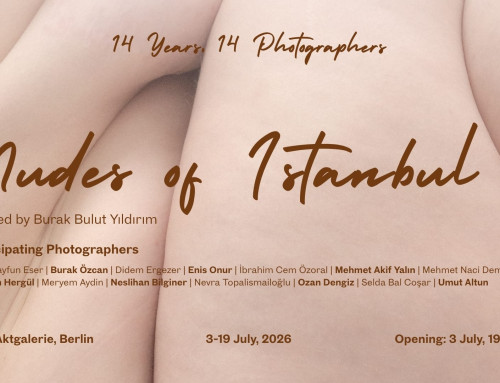
Fourteen years of our nude art workshops also became an exhibition and a hardcover book. The project is now held by the Victoria and Albert Museum’s National Art Library in London, Istanbul Modern, the German National Library, and private collectors.
Curious about the project? Discover The Nudes of Istanbul →
Maximum six photographers per session · No weekly sales emails · Instagram: @nudeartworkshops
3. Exploring the Absurd
To capture the Absurd is to embrace the illogical, the surreal, and the darkly humorous. It's about showing the human form in situations that defy easy explanation.
- Technique: Surreal Juxtapositions. Place the nude form in a completely incongruous setting, an abandoned supermarket, a formal office, a junkyard. This juxtaposition highlights the strange and often nonsensical nature of human existence.
- Technique: Sisyphean Series. Create a photographic series inspired by Camus' essay "The Myth of Sisyphus." Show a nude figure engaged in a repetitive, pointless, yet defiant task. This can be a powerful meditation on the struggle for meaning. David Kirscher's series, with its figure interacting with a massive, enigmatic sphere, evokes this Sisyphean struggle perfectly.
- Technique: Existential Humor. Incorporate elements of dark humor or irony into your compositions. A nude figure performing a mundane daily task (like ironing or watching TV) can be a humorous and poignant reflection on the absurdity of our routines.
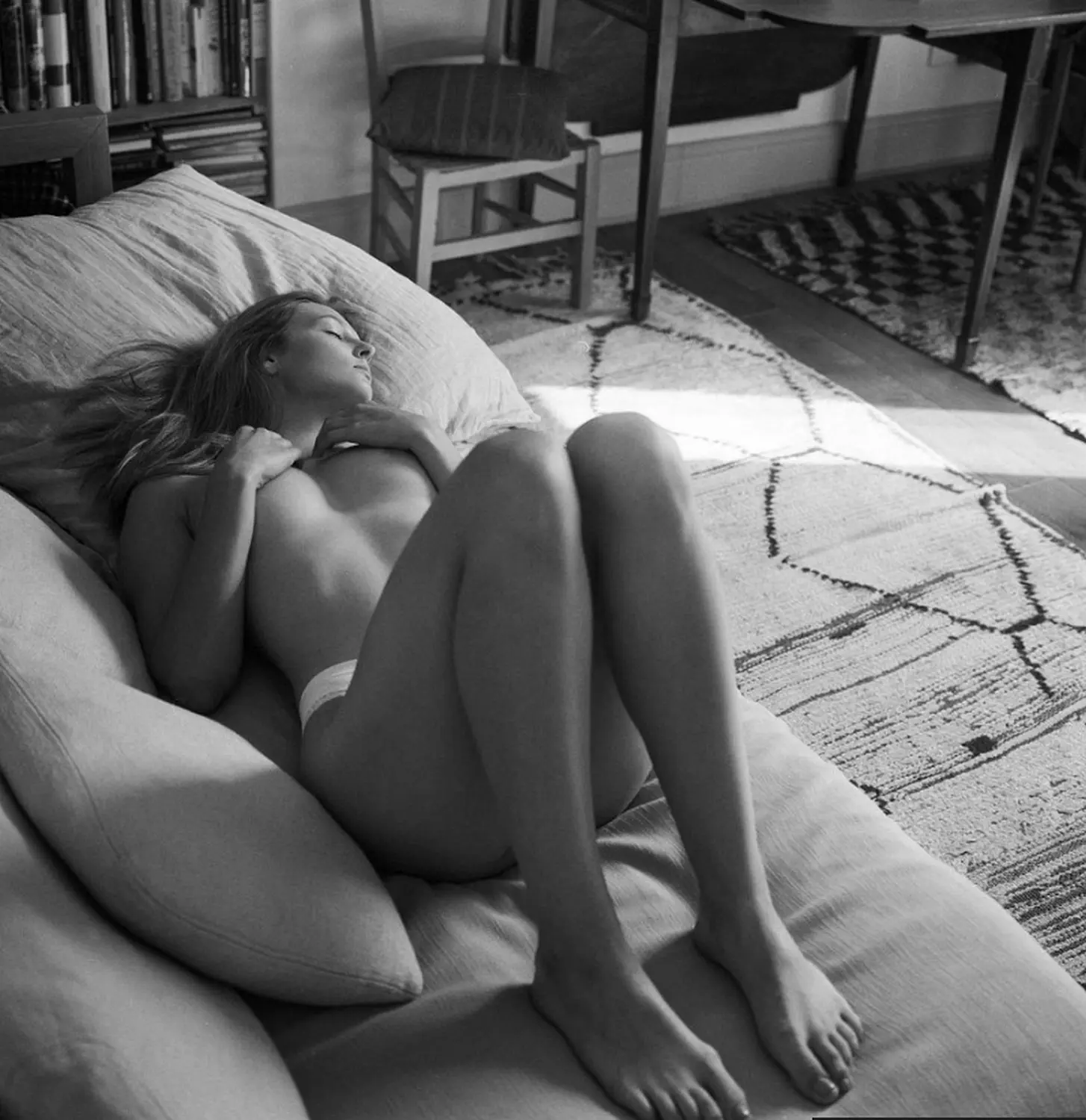
David Kirscher
Read as a sequence, the sphere changes from obstacle to counterpart. The repeated object gives the viewer a stable measure while the figure’s relation to it changes, making effort and interpretation visible across frames.

David Kirscher
The third frame prevents the group from becoming a simple illustration of Sisyphus. Variation matters: repetition remains, but posture, distance and balance produce a different response to the same task.
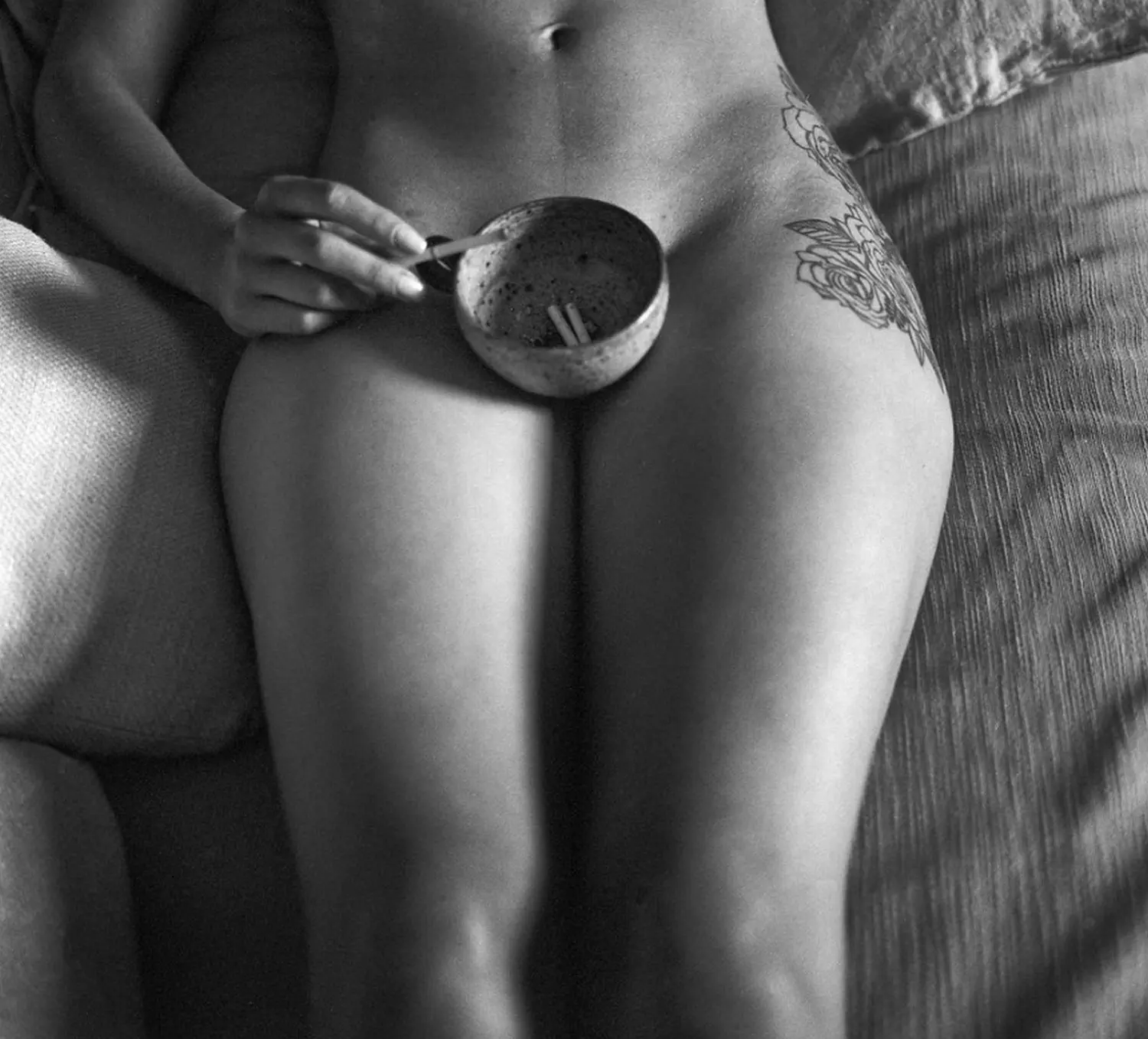
David Kirscher
4. Being-in-the-World
This concept demands that the environment be treated as an equal partner to the human subject. The goal is to show a deep, meaningful connection between the two.
- Technique: Tactile Interactions. Create images that emphasize the physical, sensory interaction between the body and its environment, the texture of bark against skin, the feel of water, the impression of sand on a back.
- Technique: Existential Landscapes. Use wide-angle lenses to show the nude figure as a small, almost insignificant part of a vast, epic landscape. This can evoke feelings of awe, solitude, and our true place in the universe. Ryan McGinley's work, like the image of figures joyfully running through a field, captures a raw and energetic state of 'being-in-the-world.'
- Technique: Time and Existence. Use long exposures to blur a moving figure against a static background, visually representing the subject's existence as a path through time and space.

Ryan McGinley
5. Authenticity vs. Bad Faith
To visualize the struggle between our true selves and the roles we play, you can use metaphors of concealment and revelation.
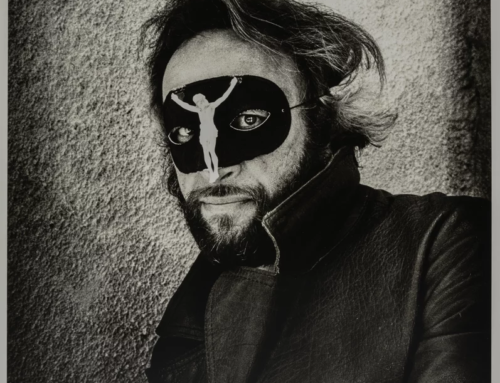
- Technique: Masks and Revelations. Use partial coverings, masks, veils, or even thick makeup to explore the tension between the authentic self and the performative, societal self. Jackson Carvalho's striking portrait, with its mask-like paint, perfectly captures this tension between a hidden self and a presented one.
- Technique: Breaking Norms. Capture subjects in the very act of defying a societal expectation, a powerful pose, an unconventional expression, that emphasizes their conscious choice to live authentically.
- Technique: Layers of Self. Use multiple exposures or layered images in post-processing to represent the complexity of the self and the internal struggle to peel back the layers of "bad faith" to find authenticity.

Jackson Carvalho
6. The Other and Intersubjectivity
This concept is about relationships. It can be explored through the dynamic between multiple figures, or the implied relationship between the subject and the viewer.
- Technique: Gaze and Recognition. The gaze is a powerful tool. A subject looking directly at the camera creates a direct, confrontational relationship with the viewer. A gaze between two subjects in the frame creates an intimate, private world that the viewer observes. Albert Watson's intense portraits demonstrate the force of the gaze, forcing a moment of recognition.
- Technique: Intimate Distances. Create a series that explores the physical and emotional distances between nude subjects. Are they touching, separate, turning towards or away from each other? Each choice tells a story about human connection.
- Technique: Collective Existence. Photograph groups of nudes, as Spencer Tunick does, to explore themes of shared human experience, community, and our collective place in the world.

Albert Watson
The camera adds a third position to any encounter: the future viewer. In my own practice, the ethical question is not solved by asking whether a pose is beautiful. I ask whose interpretation the pose carries, whether the model recognises themselves in it, and whether the eventual context respects the agreement made in the room. That is where Beauvoir's account of otherness becomes operational rather than decorative. The same issue appears across global approaches to representation and cultural power.
Facticity, Duration, and the Limits of the Pose
Existential freedom is always situated. Sartre's account is not the claim that circumstances disappear when a person chooses; it is the claim that choice occurs within a body, a history and a material situation. Photography can make that tension visible by holding some conditions stable while allowing one element to change.
Try a three-frame study. In the first frame, the subject accepts the architecture and follows its lines. In the second, the body resists the same structure through weight, angle or gaze. In the third, the subject changes the relationship without leaving the location. Keep camera position and focal length fixed. The sequence turns “freedom” from a vague theme into observable differences in action.
I use duration in a similar way. A held pose often becomes an image of endurance rather than identity; a transition shows decision forming. When you photograph the second before and the second after the composed position, the body often stops demonstrating an idea and begins negotiating it. The somatic language of posing offers a related working method.
Existentialism in Berlin: The Body in a City of Freedom and Scars
When discussing existentialism, the city of Berlin itself offers a profound conceptual backdrop. The city’s famous motto, "arm, aber sexy" (poor but sexy), is an existential statement at its core, a declaration of prioritizing a life of authentic creative expression over conventional material success. This spirit infuses the city and makes it a uniquely fertile ground for creating nude art that is deeply philosophical.Berlin is a city that wears its history on its sleeve. The physical scars, the path of the Wall, WWII-era bullet holes, the stark monuments, provide a powerful environment for exploring what philosophers call "facticity," the undeniable, concrete facts of our existence and our past. A nude body set against the remnants of the Wall is not only a juxtaposition of soft skin and hard concrete; it's a dialogue about freedom, constraint, history, and the human body's resilience. The city's famed club culture and emphasis on personal freedom provide a real-world stage for exploring themes of choice, responsibility, and the constant creation of the self through action and interaction with "the Other." This unique atmosphere of historical weight and radical freedom makes Berlin not only a location, but an active participant in the creation of existentialist-inspired art.
Conclusion: The Body as a Philosophical Question
Incorporating existentialist concepts into your nude art photography is a process that can lead to profoundly moving and thought-provoking images. It is an invitation to move beyond aesthetics and to engage with the deepest questions of human existence. By focusing on themes of freedom, authenticity, responsibility, and our place in an absurd world, we can create photographs that not only capture the beauty of the human form but also resonate with the viewer's own search for meaning. The most impactful nude art often goes beyond the surface to explore what it means to be human. By embracing existentialist ideas, you can create images that not only capture the physical form but also probe the depths of human existence, freedom, and the search for an authentic self. This approach opens up new fields of artistic expression, allowing for a more profound exploration of the human condition through your art.
Questions photographers ask about existential nude art
Does an existential nude have to look dark or isolated?
No. Existential thought includes joy, action, commitment and relation as well as anxiety. A bright image of a body choosing, resisting or building contact may carry the philosophy more precisely than familiar symbols of loneliness.
How can I avoid turning philosophy into a visual cliché?
Translate one concept into a controlled photographic variable. For freedom, vary the subject's action while holding the frame stable. For facticity, make the physical limits of the location visible. For the Other, work with gaze, distance and image ownership rather than adding symbolic props.
Is an unposed photograph automatically more authentic?
No. Unposed behaviour can still be performed, and a constructed pose may express a carefully chosen truth. Authenticity here concerns acknowledged choice and responsibility, not a documentary look.
Can these ideas be developed in a workshop setting?
Yes. In our Berlin and Istanbul workshop editions, philosophical themes are converted into lighting, direction and sequence. Each edition begins with a concept, while sexuality remains secondary to form and the collaboration between photographer and model.
These workshops are for photographers who want the nude to carry an argument rather than rely on exposure alone. Each edition begins with a theme and a working proposition; the body, the light and the model's authorship are organised around that proposition, with sexuality deliberately kept behind concept, form and collaboration.
Led by Burak Bulut Yıldırım, a Berlin-based photographer, contemporary artist, curator and educator practicing professionally since 2005. The nude art workshops have run for 14+ years across 50+ editions with 300+ participating photographers. His work has been exhibited in Berlin, Zurich, Barcelona, Rome, Thessaloniki and Heilbronn, and he curated Nudes of Istanbul at Die Akt Galerie Berlin in 2026, accompanied by a hardcover edition from Mijuk Papers Berlin.
See workshop dates and formats
Portfolio: burakbulut.org · Limited editions on Saatchi Art and Artsper · Contact: hello@nudeartworkshops.com