

The Camera in Her Hands: How Women Redefined Nude Art Photography
The history of nude photography is a history of looking, and for most of that history the looking ran one way. Men arranged, lit and framed women's bodies; women appeared. The photographers in this article broke that circuit. Working across a century and against institutions built to exclude them, women in nude photography moved the body from the receiving end of the gaze to the authoring end of it, and in doing so changed what the genre is for. This is the story of that reversal, told through the images that forced it.
I write it as a male photographer who teaches the nude in Berlin, which means this history is not an abstraction to me. It is a standing correction, and part of the working discipline of every session I run.
The Canon and Its Discontents: The "Male Gaze"
The problem needed a name before it could be dismantled, and Laura Mulvey supplied it. In her 1975 essay "Visual Pleasure and Narrative Cinema," she argued that visual culture positioned women as passive material, arranged for the pleasure of a presumed male, heterosexual viewer: an "active/male, passive/female" binary wired deep into Western image-making. Nineteenth and early twentieth-century nude photography ran on exactly this circuit. Women appeared as anonymous odalisques and mythological props, individuality sanded away in service of an ideal, and the camera's apparent realism made the arrangement feel less like interpretation and more like fact. The photographers below entered that room and rearranged the furniture.
Imogen Cunningham (1883–1976): The Modernist Pioneer
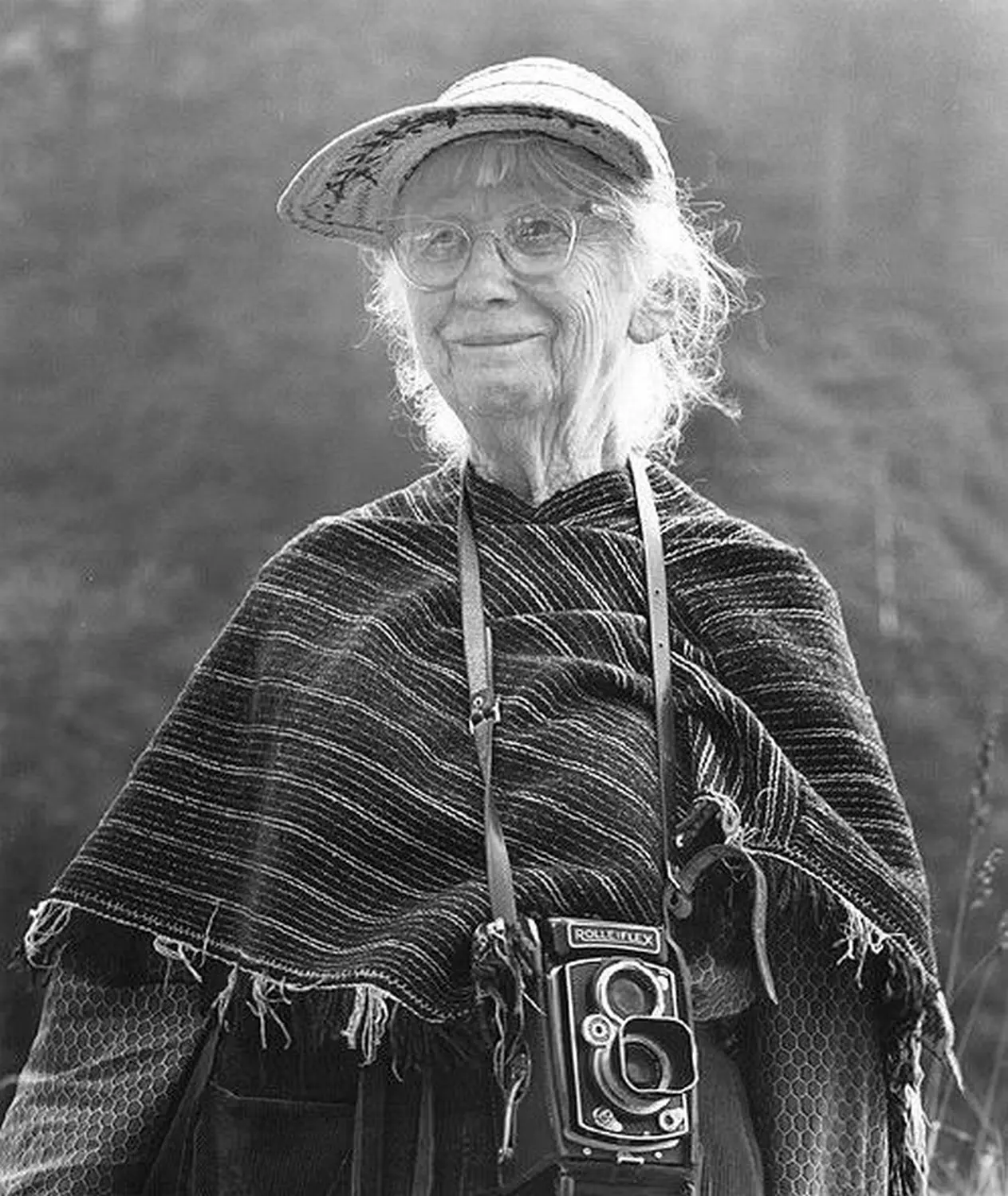
Imogen Cunningham
Cunningham was among the earliest women to photograph the nude with real influence, and her approach was a quiet refusal of everything the genre had been. A founding member of Group f/64, the 1932 circle that championed sharp-focus "straight photography" against Pictorialist haze, she brought that clarity to the body and stripped the erotic script from it in the process.
From Pictorialism to f/64: The Shift to Pure Form
Her "Triangles" (1928) shows the method whole. A pregnant torso, tightly cropped, becomes a construction of intersecting planes: belly, breast and arm as geometry rather than invitation. The subject's identity is beside the point; the form is the point, and the viewer is asked to study rather than consume. Yet she was never only a formalist. "Two Sisters" (1928) rests two nude women together in soft focus, and its subject is neither body: it is the intimacy between them, a non-performative closeness that the isolated, posed nudes of her male contemporaries simply do not contain.
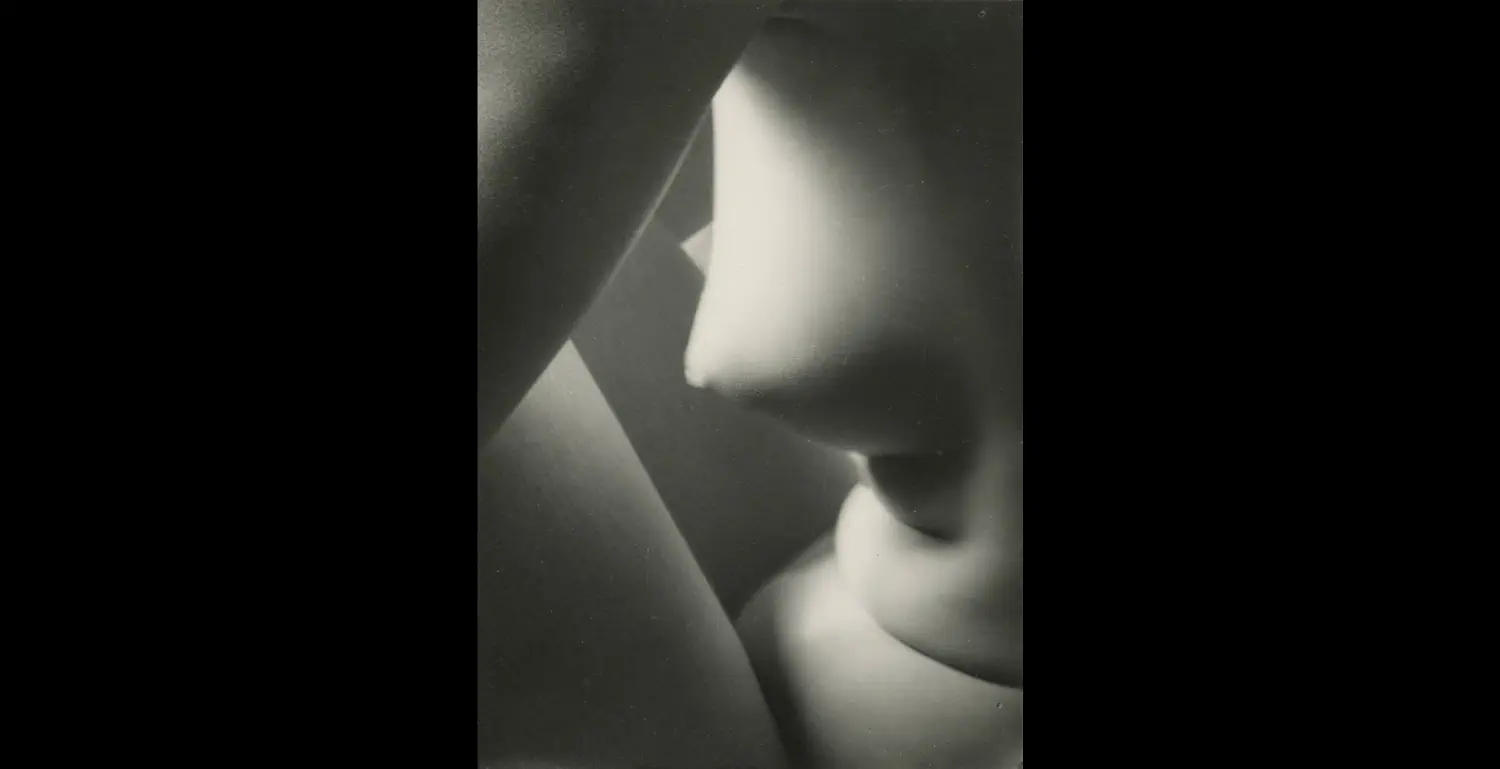
"Triangles" (1928) by Imogen Cunningham
Diane Arbus (1923–1971): The Rejection of Glamour

Diane Arbus
Arbus began inside the machine she would later dismantle, working fashion assignments with her husband before abandoning that industry's artifice for its opposite. Her square-format, direct-flash portraits sought out people conventional imagery ignored, and when her subjects were nude, the nudity was never the event.
The Unflinching Gaze and the Banal Nude
"Retired man and his wife at home in a nudist camp one morning, N.J." (1963) is the thesis image. An ordinary elderly couple sits in an ordinary cluttered living room, unclothed because that is how they live, and the photograph refuses to make anything more of it. By draining the nude of both eroticism and idealization, Arbus forced the frame open: aging bodies, domestic bodies, unremarkable bodies all became legitimate subjects, and the documentary honesty she licensed runs through half the work made since.
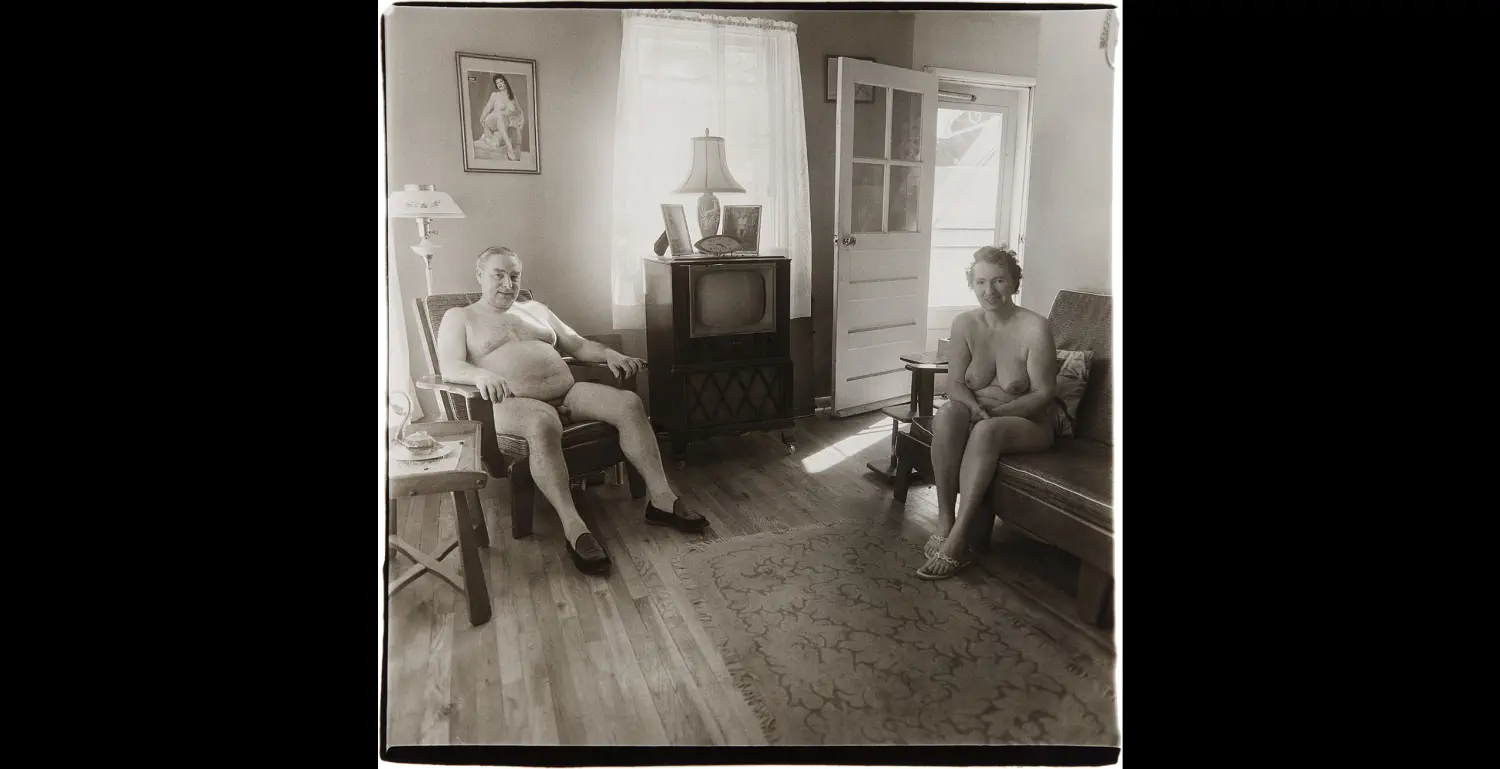
"Retired man and his wife..." (1963) by Diane Arbus
Francesca Woodman (1958–1981): The Body in Space
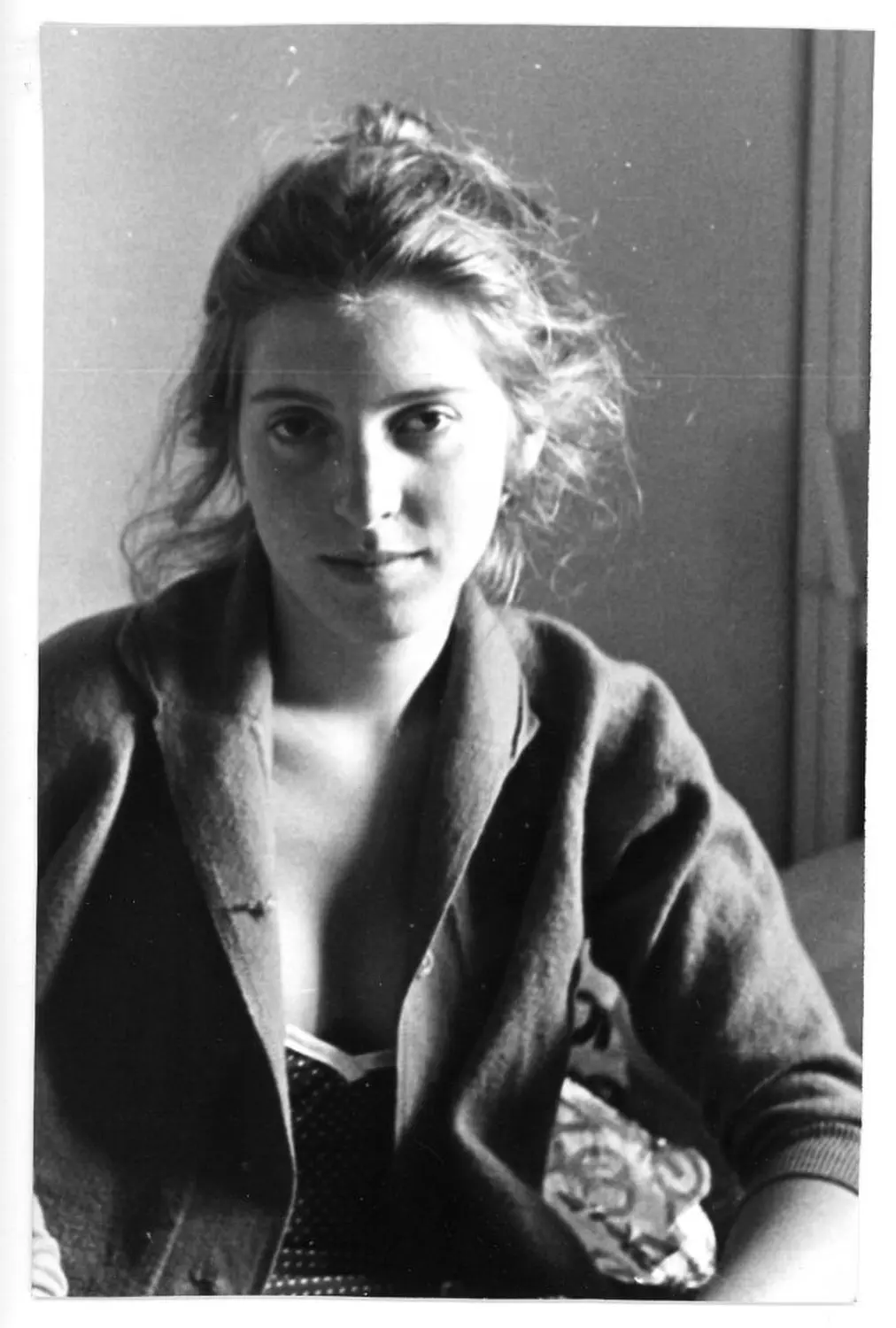
Francesca Woodman
Woodman produced her entire body of work before turning twenty-three, and it has influenced every generation since. Using herself as primary subject, she made the nude a site of question rather than display: her figure appears blurred by long exposure, half-hidden behind furniture, dissolving into peeling wallpaper, a presence in the act of escaping its frame.
Performance, Surrealism, and the Elusive Self
In "Self-deceit 1, Rome" (1978) she crawls toward a mirror that returns only a fragment of her, self-perception staged as something fractured and unreliable. In the Providence series (1976) her form merges with the decaying architecture around it, a body being absorbed by its environment. The work reads as performance documented rather than pose captured, and that shift, the model as author of her own disappearance and appearance, opened a door that self-portraitists have walked through ever since.
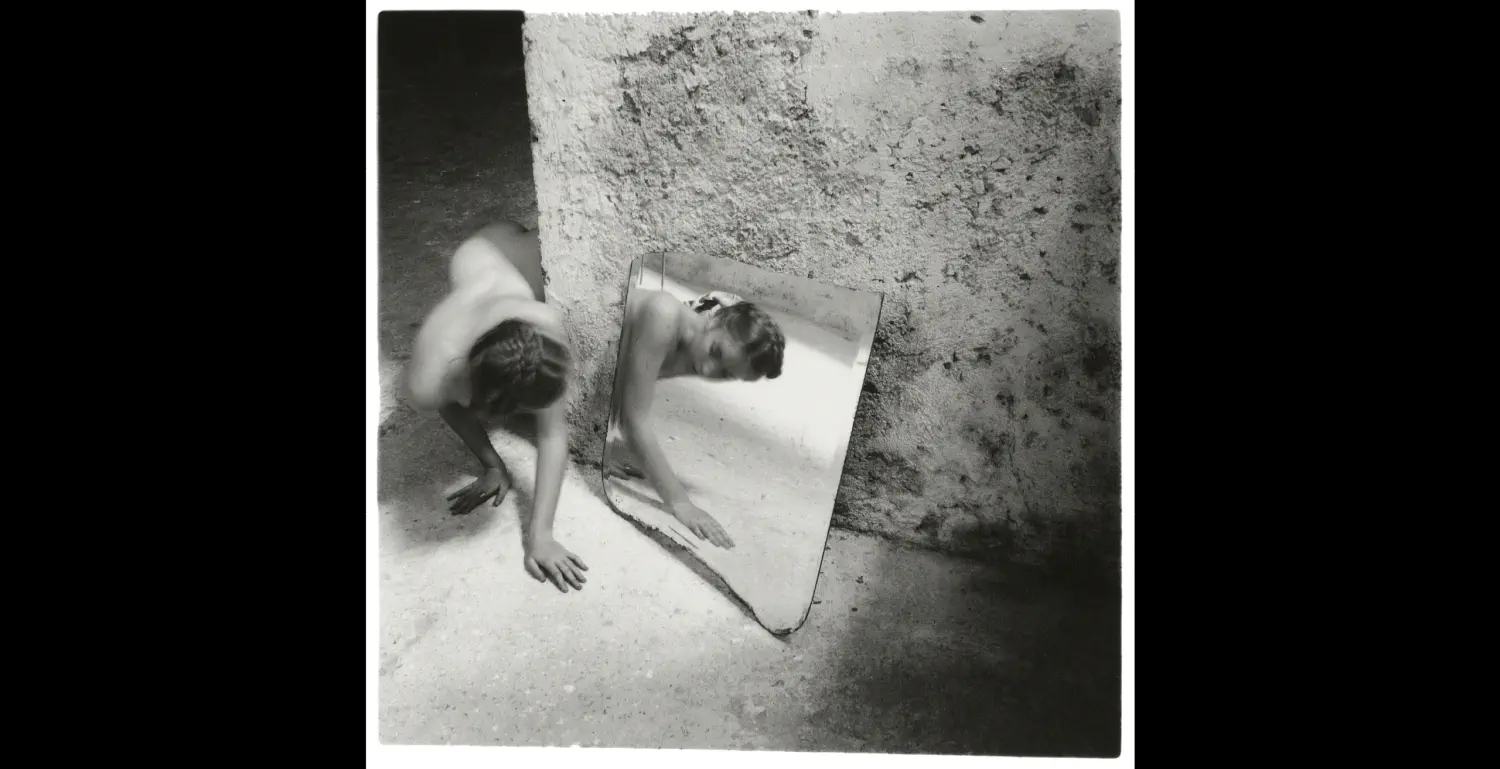
"Self-deceit 1" (1978) by Francesca Woodman
Cindy Sherman (1954–present): The Politics of the Pose
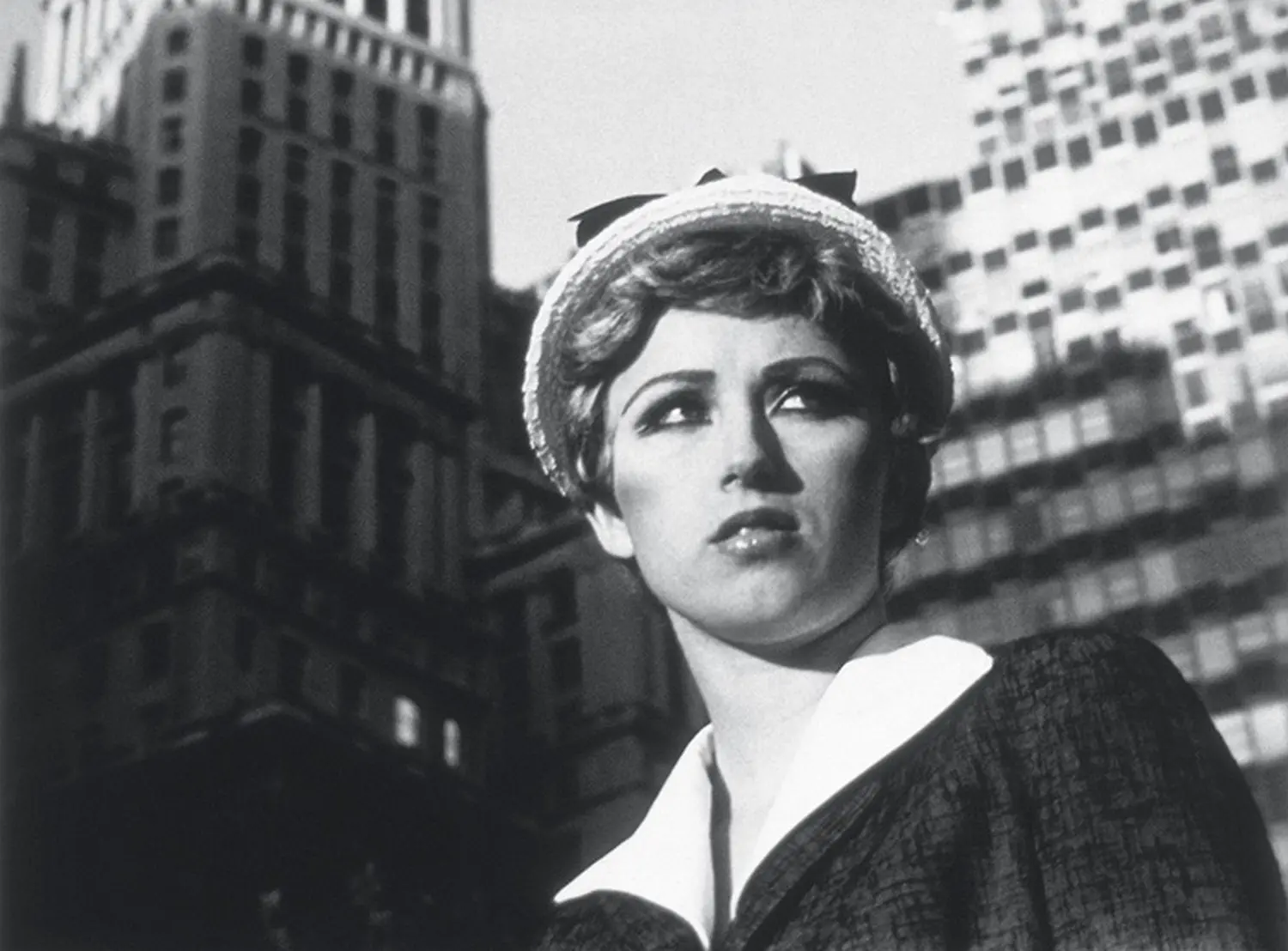
Cindy Sherman
Sherman is always both artist and model, and that doubling is the argument. By transforming herself into an endless catalogue of female archetypes, the B-movie starlet, the society wife, the pin-up, she demonstrated that "femininity" in images is a costume with a script, performed on demand.
Subverting the Centerfold
Her "Centerfolds" (1981) made the point at full scale. Commissioned by Artforum, she adopted the wide horizontal format of a men's magazine spread and then broke its contract: her characters lie in the centerfold position not available but anxious, vulnerable, mid-thought, and the magazine ultimately declined to run the series at all. The viewer arrives with voyeuristic expectations, is denied the payoff, and is left holding those expectations up to the light, which was the entire operation. My own sessions inherit that lesson in operational form: every pose proposal gets asked who is performing this, and for whom, and if the honest answer is "the model, for an imagined consumer," we rebuild it from the concept up.
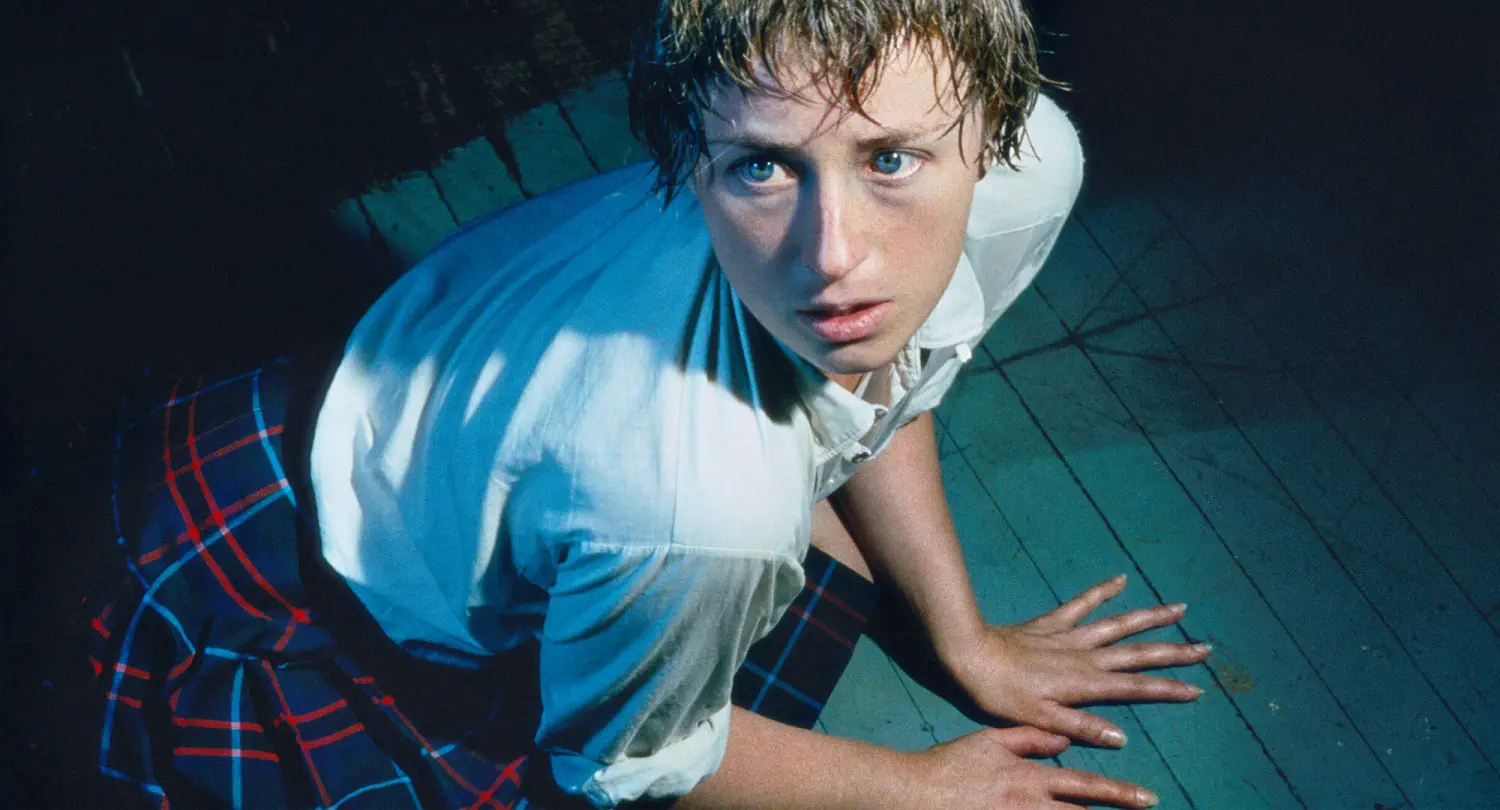
From the "Centerfolds" series (1981) by Cindy Sherman
Fine-Art Nude Photography Workshops · Since 2012
Join the Workshop List
Nude Art Workshops is a small-group programme founded by photographer and educator Burak Bulut Yıldırım. We run concept-led sessions with professional model collaborators and a maximum of six photographers.
Join the list for new workshop dates, visiting models, new cities, and programme updates. Subscribers usually hear about new sessions before public announcement.
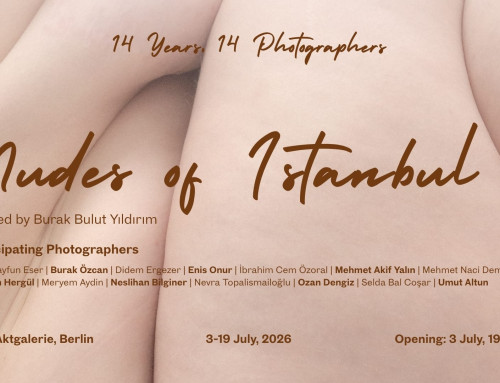
Fourteen years of our nude art workshops also became an exhibition and a hardcover book. The project is now held by the Victoria and Albert Museum’s National Art Library in London, Istanbul Modern, the German National Library, and private collectors.
Curious about the project? Discover The Nudes of Istanbul →
Maximum six photographers per session · No weekly sales emails · Instagram: @nudeartworkshops
Sally Mann (1951–present): The Unflinching Matriarch
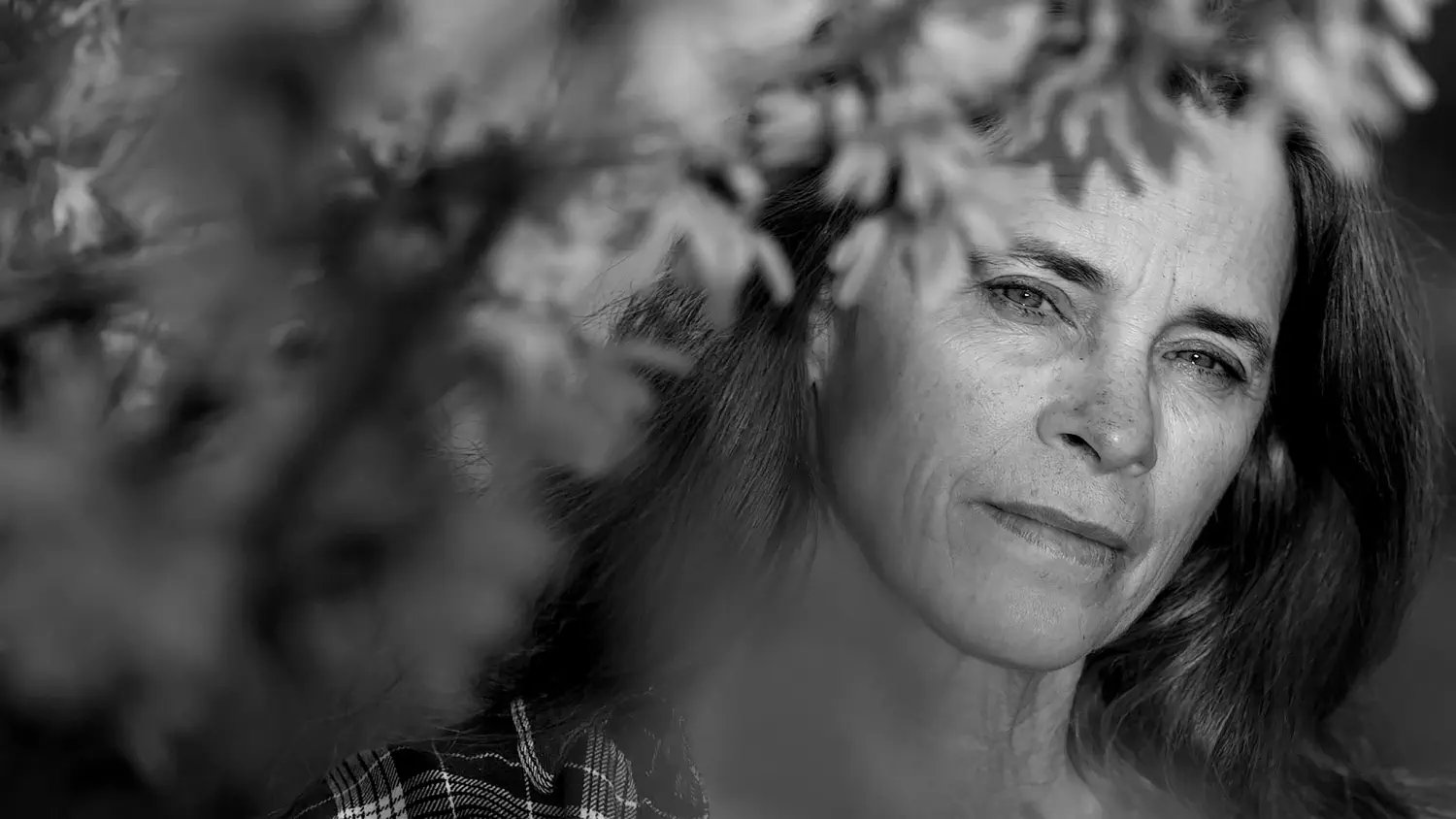
Sally Mann
Mann works with large-format cameras and the nineteenth-century wet-plate collodion process, whose streaks and flaws give her images their haunted, out-of-time surface. Her "Immediate Family" (1984–1994), which included nude photographs of her young children on their Virginia farm, ignited one of the era's fiercest debates about art, innocence and a mother's right to look.
The Maternal Gaze and the Male Form
Years later she inverted the tradition entirely. "Proud Flesh" (2003–2009) is an extended nude study of her husband Larry as late-onset muscular dystrophy remade his body, and it grants the male form something art history had almost never allowed it: tenderness without heroism. A woman photographing a man's aging, vulnerable body with unflinching love reverses five centuries of default settings in a single series, and the images hold their gaze without ever turning cold. That inversion set a bar I keep in view whenever the camera in my hands points at vulnerability: the question is never only what the image shows, but what the looking itself is made of.
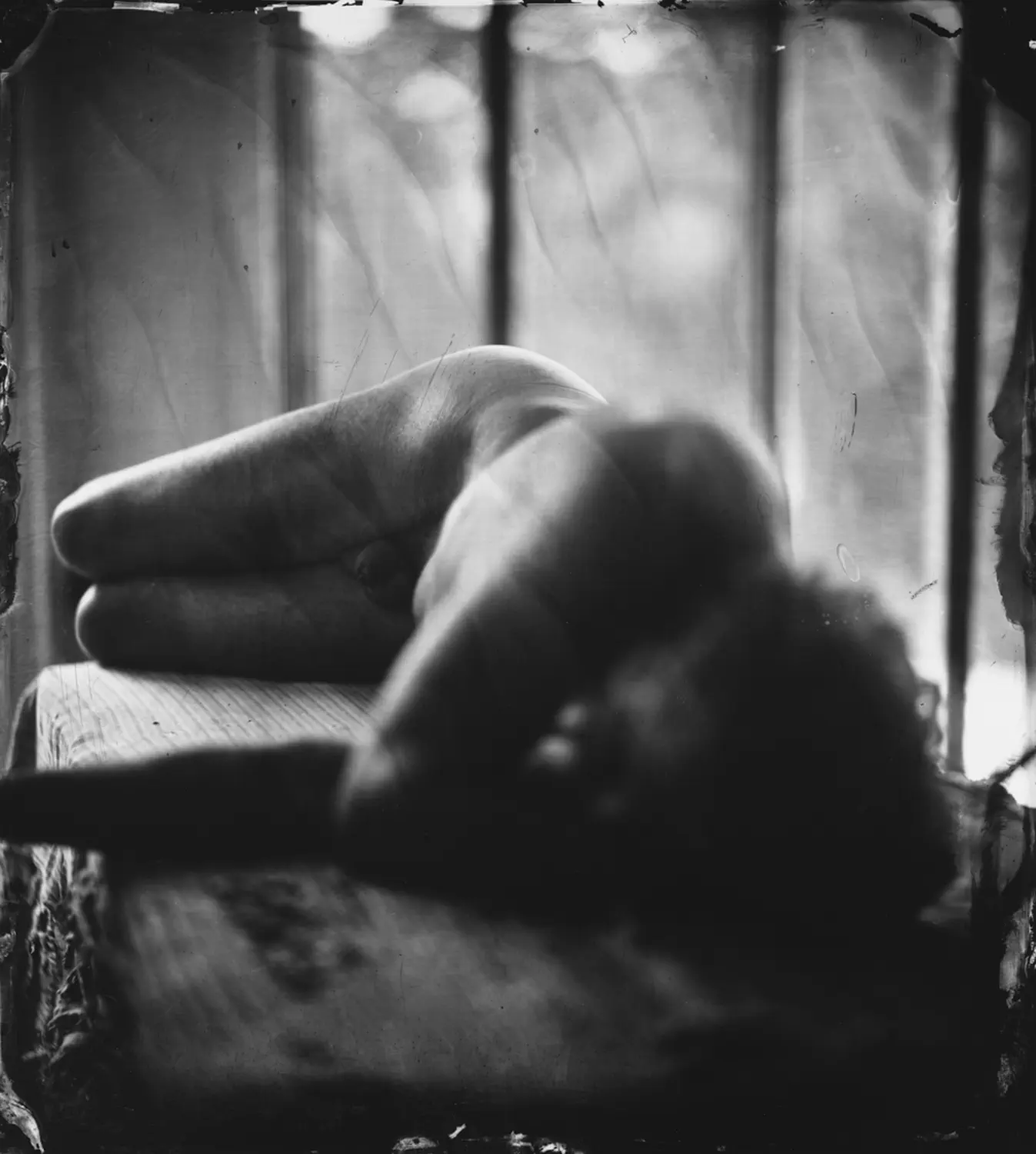
From the "Proud Flesh" series (2003–2009) by Sally Mann
Rineke Dijkstra (1959–present): The Liminal State
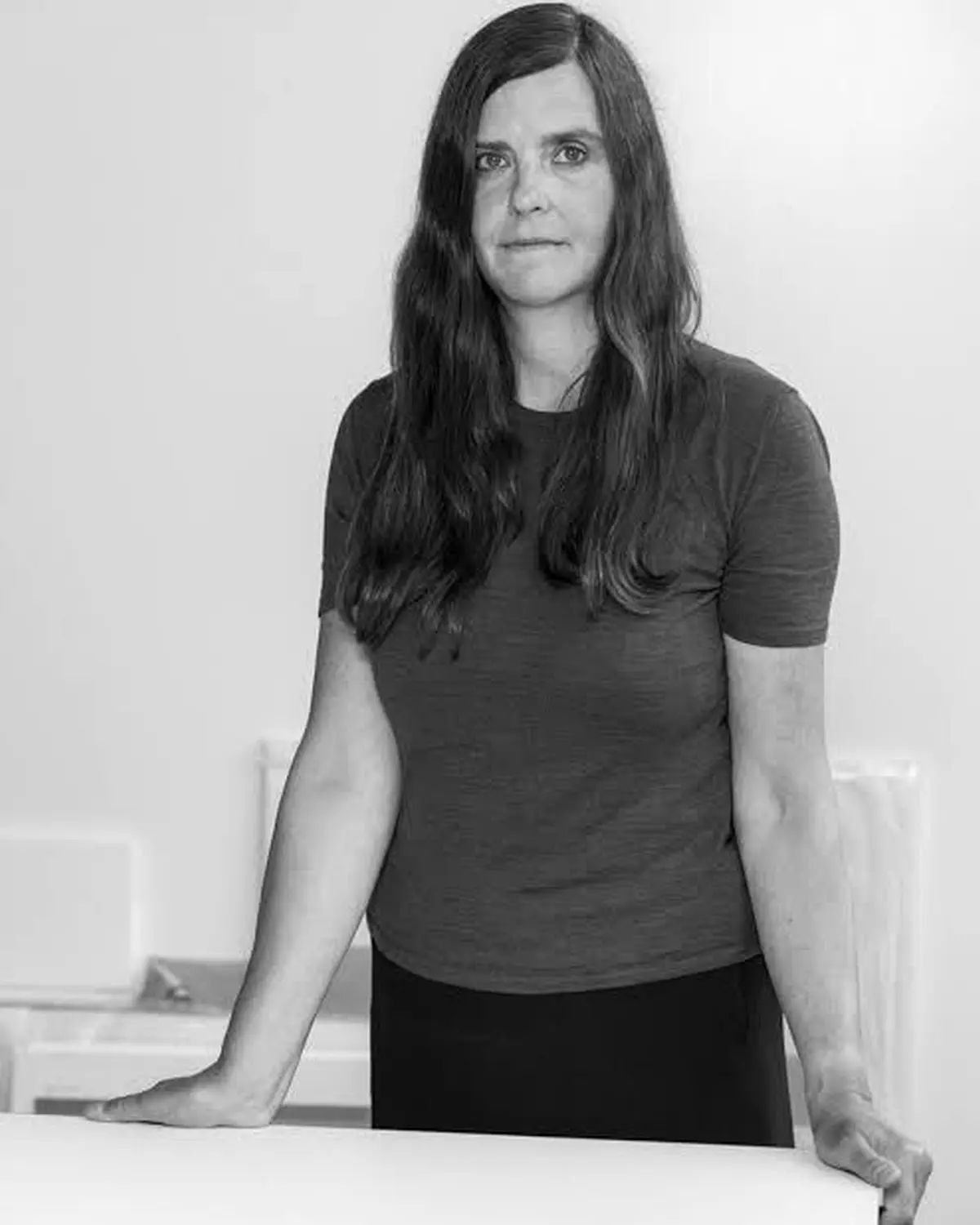
Rineke Dijkstra
Dijkstra photographs people at thresholds, and her "New Mothers" (1994) stands at the rawest one. Each woman was photographed within hours or days of giving birth, nude from the waist down, holding her newborn: the postpartum body shown exactly as it is, exhausted, marked, upright. Against centuries of serene Madonna-and-Child imagery, the series gives visibility to an experience half of humanity may pass through and art had almost entirely declined to depict. The honesty is the tribute.

From the "New Mothers" series (1994) by Rineke Dijkstra
The Contemporary Vanguard: Intersectional and Global Perspectives
Contemporary women and non-binary artists have widened the correction further, insisting that experiences of gender are inseparable from race, class, sexuality and culture, and that the body in the frame carries all of it at once.
Zanele Muholi (1972–present): Visual Activism and the Black Queer Body

Zanele Muholi
South African visual activist Zanele Muholi, who uses they/them pronouns, has dedicated a career to the visibility of Black LGBTQIA+ lives. In the self-portrait series "Somnyama Ngonyama" (Hail the Dark Lioness), Muholi builds regal, high-contrast images from everyday objects: clothespins, scouring pads, inflated gloves become crowns and armor, materials of domestic labor recast as insignia. The work confronts the viewer with a history of erasure and answers it with defiant, constructed majesty; the body here is both archive and argument.

From the "Somnyama Ngonyama" series by Zanele Muholi
Lalla Essaydi (1956–present): Writing Back to the Canon
Moroccan-born Lalla Essaydi aims her camera directly at the Orientalist fantasy: the harem and odalisque scenes painted by nineteenth-century European men such as Ingres and Delacroix, the same Delacroix whose collaboration with early photography appears in the genre's pioneer history. In "Les Femmes du Maroc" she restages those compositions with Moroccan women whose skin, clothing and surroundings are covered in henna calligraphy, a traditionally feminine art applied like text over the male fantasy. The women's own narratives are literally written across the scene, and the passive odalisque becomes an author mid-sentence.

From the "Les Femmes du Maroc" series by Lalla Essaydi
From Object to Author
Run the century in sequence and the arc is unmistakable: Cunningham claimed form, Arbus claimed reality, Woodman claimed the self, Sherman claimed the script, Mann claimed the gaze itself, Dijkstra claimed the threshold, and the contemporary vanguard is claiming everything the canon left out. The nude stopped being a genre about women and became, in their hands, a genre by them, about identity, motherhood, power, grief and resistance. Every serious photographer of the body now works downstream of that reversal, whatever their gender, and the ones who pretend otherwise make weaker pictures. The story continues in the contemporary era's battles over the body, and the practical craft of the empowered pose is unpacked in the somatic language of posing.
Questions readers ask
Who were the first influential women in nude photography?
Anne Brigman was photographing her own nude body in the Sierra Nevada by 1908, and Imogen Cunningham brought the nude into modernism from the 1920s onward. Their openings widened into the lineage this article traces.
What is the "male gaze" in photography?
Laura Mulvey's 1975 term for a visual convention that positions women as passive material arranged for a presumed male viewer's pleasure. Naming the convention made it visible, and visible conventions can be refused, subverted or reversed.
How did women photographers change the nude?
By moving it from display to authorship: form study instead of invitation, documentary honesty instead of idealization, self-portraiture as agency, and the gaze itself turned into subject matter. The genre's questions changed from "how beautiful" to "who is looking, and why."
Are your workshops a good environment for women, as photographers or models?
They are built to be. Our Berlin and Istanbul workshops run concept-first with explicit consent practice, models hold authorship and veto over their images, and women participate on both sides of the camera in a structured, respectful room.
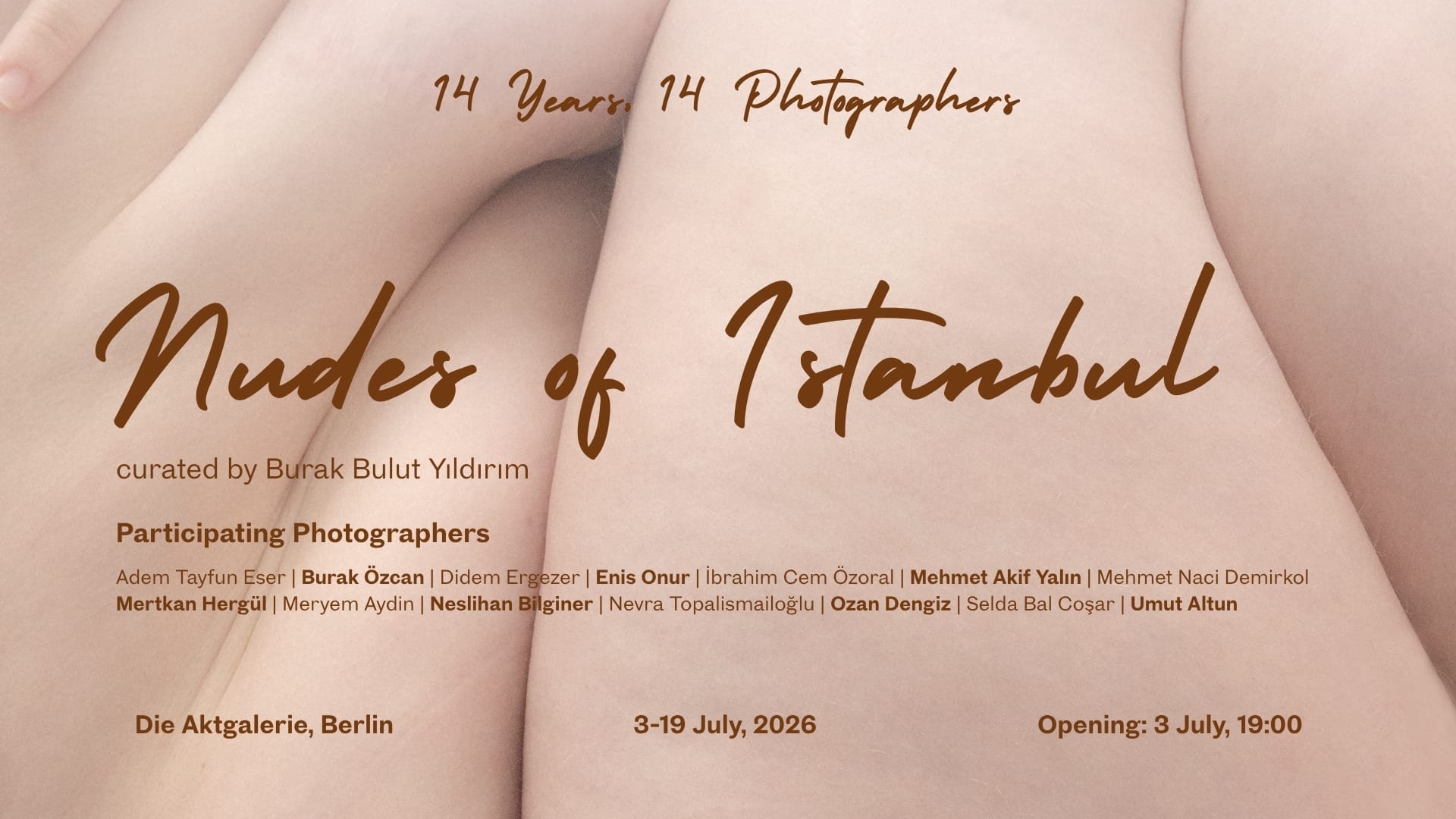
The reversal this article traces, from object to author, is the working standard of our ateliers: concept-first editions where sexuality is deliberately demoted behind theme, form and collaboration, and where the model is a co-author, never a prop. Led by Burak Bulut Yıldırım, Berlin-based photographer and curator practicing since 2005: fourteen-plus years of nude art workshops, 50+ editions, 300+ photographers, exhibitions in Berlin, Zurich, Barcelona, Rome, Thessaloniki and Heilbronn, curator of Nudes of Istanbul (Die Akt Galerie Berlin, 2026; hardcover by Mijuk Papers Berlin).
Portfolio: burakbulut.org · Limited editions on Saatchi Art and Artsper · Contact: hello@nudeartworkshops.com