


Sculpting with Photons: A Deep Dive into Lighting for Nude Art Photography
In photography, light is the primary agent of creation. In the specific discipline of nude art photography, it transcends its role as a mere illuminator to become a sculptor’s chisel, a storyteller’s ink, and a philosopher’s pen. The way light is directed, shaped, and colored dictates not only the mood and atmosphere of an image but its fundamental interpretation. Light can render the human form as a classical monument, a vulnerable vessel of emotion, or an abstract landscape. This comprehensive guide moves beyond simple recipes to explore the intricate physics, art history, and practical application of lighting, providing a framework for creating nuanced and powerful nude art.
The Physics and Poetry of Light: Foundational Properties
Before constructing complex lighting setups, an artist must develop an intuitive understanding of light’s essential character. Every lighting choice is a negotiation between these core properties.
The Quality of Light: Hard vs. Soft
The quality of light refers to the nature of the transition between highlight and shadow. This is determined by the size of the light source relative to the subject. Hard light originates from a small, distant, or focused source (like the direct sun or a bare bulb). It produces crisp, well-defined shadows and high contrast. This quality is forensic; it reveals and emphasizes every detail, rendering skin texture, muscle striations, and the minute topography of the body with stark clarity. Soft light comes from a large, close, or diffused source (like an overcast sky or a large softbox). It wraps around the form, creating gentle, gradual transitions and subtle shadows. This quality is forgiving and cohesive, unifying the form rather than dissecting it.

Hard Light by Sebastien Braillon

Soft Light by Beppe Gallo
The Direction and Color of Light
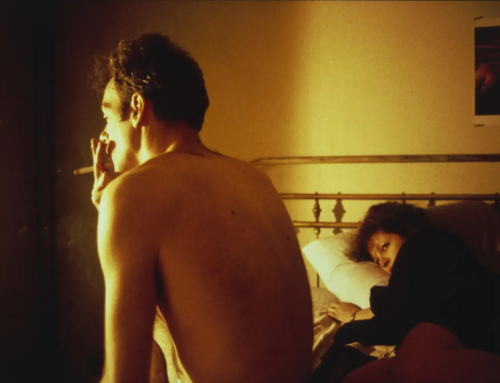
The direction from which light strikes the subject fundamentally defines volume and dimension. Front lighting tends to flatten the form, minimizing texture and creating a sense of openness. Side lighting is the classic sculptor’s tool, raking across the surface to reveal every curve and contour, creating profound depth. Backlighting separates the subject from the background, creating silhouettes or ethereal rim lighting that outlines the form. The color temperature of light carries immense psychological weight. Warm light (low on the Kelvin scale) mimics candlelight or sunset and often evokes intimacy and comfort. Cool light (high on the Kelvin scale) suggests moonlight or twilight and can create a sense of melancholy, serenity, or alienation.

Side Lighting by Alan S

Warm Light by Burak Bulut Yıldırım
The Classical Atelier: Foundational Studio Techniques
Many studio lighting patterns are inherited from centuries of classical painting. Understanding them is not about rigid adherence but about learning a time-tested visual grammar.
- Rembrandt Lighting: Named for the Dutch master’s obsession with capturing the soul, this pattern is characterized by a small, inverted triangle of light on the cheek of the shadow side of the face. Achieved by placing a key light at roughly 45 degrees to the subject and above eye level, it creates a dramatic, moody, and deeply dimensional effect perfect for introspective portraits and torso studies.
- Butterfly Lighting: Also called “Paramount lighting” for its popularity in Hollywood’s golden age, this technique involves placing the light source directly in front of and high above the subject. It creates a symmetrical, butterfly-shaped shadow beneath the nose. It is a classic glamour light that emphasizes cheekbones and creates elegant shadows along the contours of the body.
- Split Lighting: The most dramatic of the classical patterns, split lighting is achieved by placing the light source at a 90-degree angle to the subject. It cleaves the form in two, illuminating one half while leaving the other in deep shadow. This creates a powerful sense of duality, mystery, and graphic intensity, emphasizing the body’s pure contours.

Bill Brandt

Albert Watson

Ruth Bernhard
Beyond the Atelier: Advanced and Conceptual Lighting
For artists wishing to push boundaries, light can be used not just to reveal, but to transform, abstract, and deconstruct the human form.
The Dialectic of Shadow and Light: Low-Key and High-Key
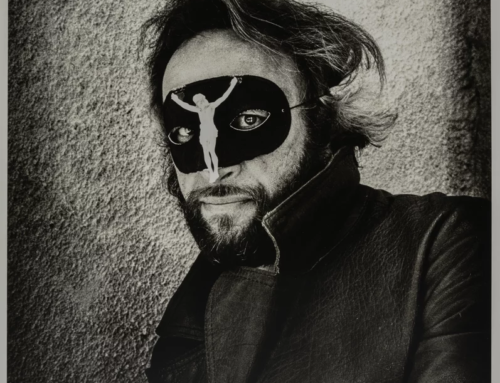
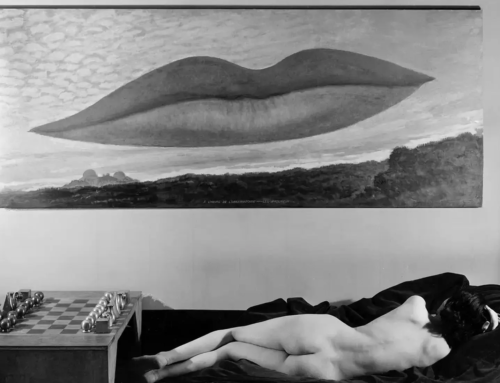
Low-Key Lighting is the philosophy of Chiaroscuro, using a predominantly dark environment with focused, often hard light to carve small areas of illumination from the shadows. It creates mystery, drama, and a profound sense of volume, forcing the viewer to focus intently on the illuminated parts of the form. High-Key Lighting is its antithesis. It uses multiple, broad, soft light sources to create a bright, airy image with minimal shadows. It can convey purity, ethereality, and simplicity, or conversely, a sense of clinical sterility and exposure.

Chiaroscuro by Irina Ionesco

High-Key by Burak Bulut Yıldırım
Dematerializing the Form: Light Painting and Projection
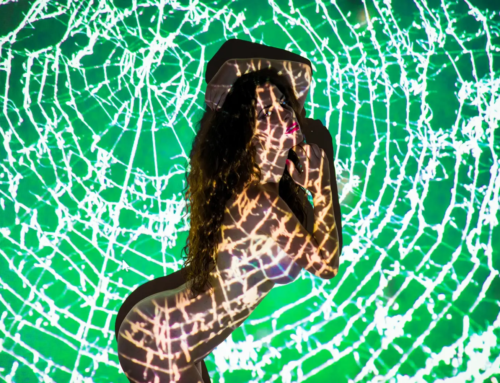
These advanced techniques use light to transform the body into a canvas. Light Painting involves using a handheld light source to selectively “paint” areas of the subject during a long exposure in a dark room. It creates unique, gestural, and often surreal interpretations. Projection Mapping takes this a step further by using a digital projector to cast patterns, images, or textures onto the body. This technique merges the human form with external visual data, creating complex, layered images that explore themes of identity, technology, and perception.

Light Painting by Steve Williams

Projection by Dani Olivier
Harnessing the Real: Natural Light Techniques
Natural light offers a quality and variability that can be both challenging and deeply rewarding.
- Window Light: The soft, directional light from a window has been a favorite of painters since Vermeer for its ability to create intimacy and mood. By positioning the subject at different angles to the window and using curtains or reflectors to modify it, a photographer can achieve a vast range of effects, from delicate high-key to dramatic low-key.
- Golden Hour: The period shortly after sunrise and before sunset offers a magical quality of light. The low angle of the sun produces long, soft shadows, and the atmospheric scattering of blue light results in a warm, golden hue that is exceptionally flattering to skin tones.

Window Light by Burak Bulut Yıldırım

Golden Hour by Burak Bulut Yıldırım
The Master’s Light: Analytical Case Studies
Studying the masters reveals how light becomes a signature.
- George Hurrell: The architect of Hollywood glamour, Hurrell used carefully controlled, hard light sources to sculpt his subjects. His lighting was designed to create idealized, mythical beings. He used strong key lights to carve out cheekbones and jawlines, creating stark shadows that conveyed power and mystique, effectively turning actors into icons.
- Herb Ritts: Ritts was a master of the bright, hard California sun. He harnessed this powerful natural light to create graphic, high-contrast images that monumentalized the human form. His work often features bodies that look as if they were carved from stone, emphasizing their sculptural and athletic qualities. He used the sun as a giant key light to create timeless, elemental celebrations of the body in motion.
- Peter Lindbergh: Lindbergh revolutionized fashion and portrait photography by rejecting hyper-polished artifice. He was a master of emotive, often soft, natural light. He frequently worked on overcast days or in open shade, using light that revealed character and vulnerability rather than creating an idealized mask. His lighting choices were central to his cinematic, narrative style, creating an atmosphere of raw honesty and timeless soulfulness.

George Hurrell

Herb Ritts

Peter Lindbergh
Conclusion: Developing an Illuminated Signature
Mastering light in nude art photography is an ongoing journey of technical practice and conceptual exploration. It requires understanding not only the physics of light but its deep psychological and cultural resonances. By moving beyond imitation and beginning to experiment with how these techniques can serve a unique artistic vision, a photographer can transform light from a tool of simple illumination into the very syntax of their creative expression. The most compelling work emerges when this technical mastery is fused with a deep appreciation for how light interacts with the human form to build meaning and evoke emotion.
The Artist’s Perspective: In the workshops led by award-winning photographer Burak Bulut Yıldırım, these diverse lighting techniques are explored in depth, offering hands-on experience in a practical studio and location settings. With nearly two decades of experience and exhibitions across Europe, Yıldırım emphasizes how intentional lighting can transform a simple nude study into a powerful artistic statement.
Limited edition works by Burak Bulut Yıldırım are available for collectors on respected platforms such as Saatchi Art and Artsper. You can also explore his portfolio of contemporary nude art projects at burakbulut.org.
To learn more about mastering light or to join a workshop that offers practical experience with these techniques, connect with us on Instagram or email hello@nudeartworkshops.com.