The neuroscience of nude art: perceiving the human form
Looking at a nude photograph involves recognising a body, responding emotionally and judging what the image means in its context. These processes can inform how photographers think about composition, lighting and posing. Neuroaesthetics is still developing, many findings are correlational, and culture and personal experience affect the response. The ideas below are a way to think about viewing, with limits on what they can explain about any individual photograph.
I come at this as a practitioner: I make and teach nude art photography in Berlin, and this material earns its place here because it changes decisions on real sessions.
How the brain processes an image
Visual recognition, emotional response and interpretation involve interacting brain networks. The regions below help describe parts of that process. They should not be read as a fixed sequence in which one area completes its work before the next begins.
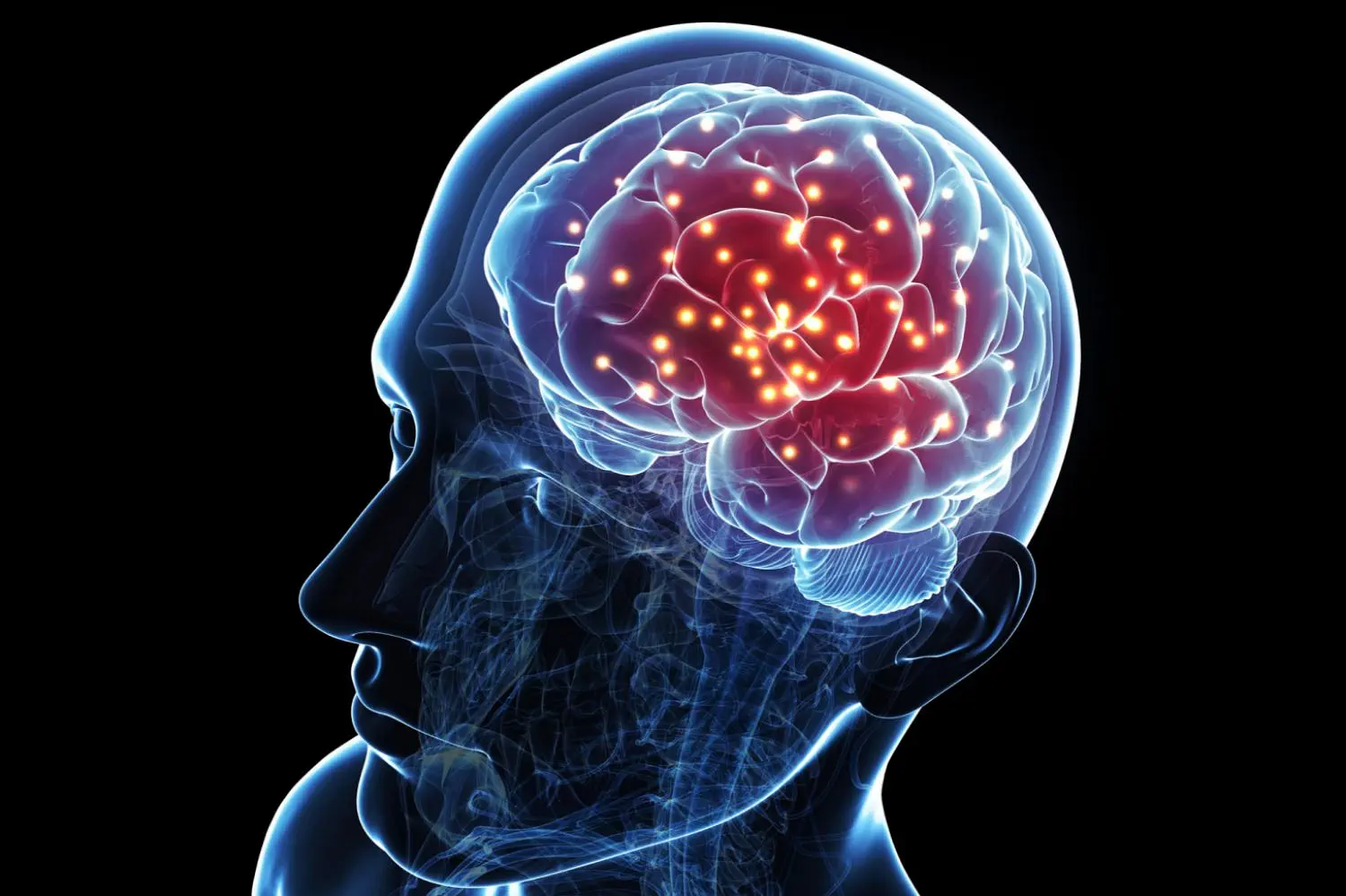
Illustration: the processing regions engaged when the brain reads an image of the body
The visual cortex: Located at the back of the brain, it processes visual information such as lines, edges, contrast, orientation and colour. A brightly lit body against a dark background creates a distinct boundary. Chiaroscuro photography uses that contrast to make form visible.
Body-selective regions: Imaging research has identified areas in the temporal and occipital cortex that respond preferentially to bodies and body parts, commonly called the fusiform and extrastriate body areas. EEG studies also suggest stronger early responses to unclothed bodies than to clothed ones under the conditions studied. These findings concern body perception; they do not establish the artistic effect of a particular nude photograph.
The amygdala: It contributes to evaluating the emotional significance of visual information. The familiar “low road” account of rapid, non-conscious appraisal is a simplified model; emotional processing involves several interacting routes and networks. A viewer’s culture and history also affect the response, beyond the photographer’s control.
The prefrontal cortex: It contributes to considering context, intention and category. Whether a viewer reads an image as art or pornography also depends on framing, presentation and expectations. That judgment cannot be assigned to one brain region or reduced to the first reaction.
motor-simulation systems: Often discussed in relation to mirror neurons, these systems may help explain why an observed posture can feel bodily familiar. Their exact role in human aesthetic experience remains debated. For photographers, embodied viewing is a useful proposal to consider when directing a pose, with no guarantee that every viewer will feel the same thing.
From perception to photographic choices
Making form readable
Clear contours can help a viewer recognise the body’s shape. In my photograph “Great Gatsby”, the light defines the long S-curve of the back, giving the composition a continuous line to follow. An abstract or fragmented body asks for a different kind of attention: the viewer may spend more time making sense of its parts. Both approaches can serve a photographic idea.
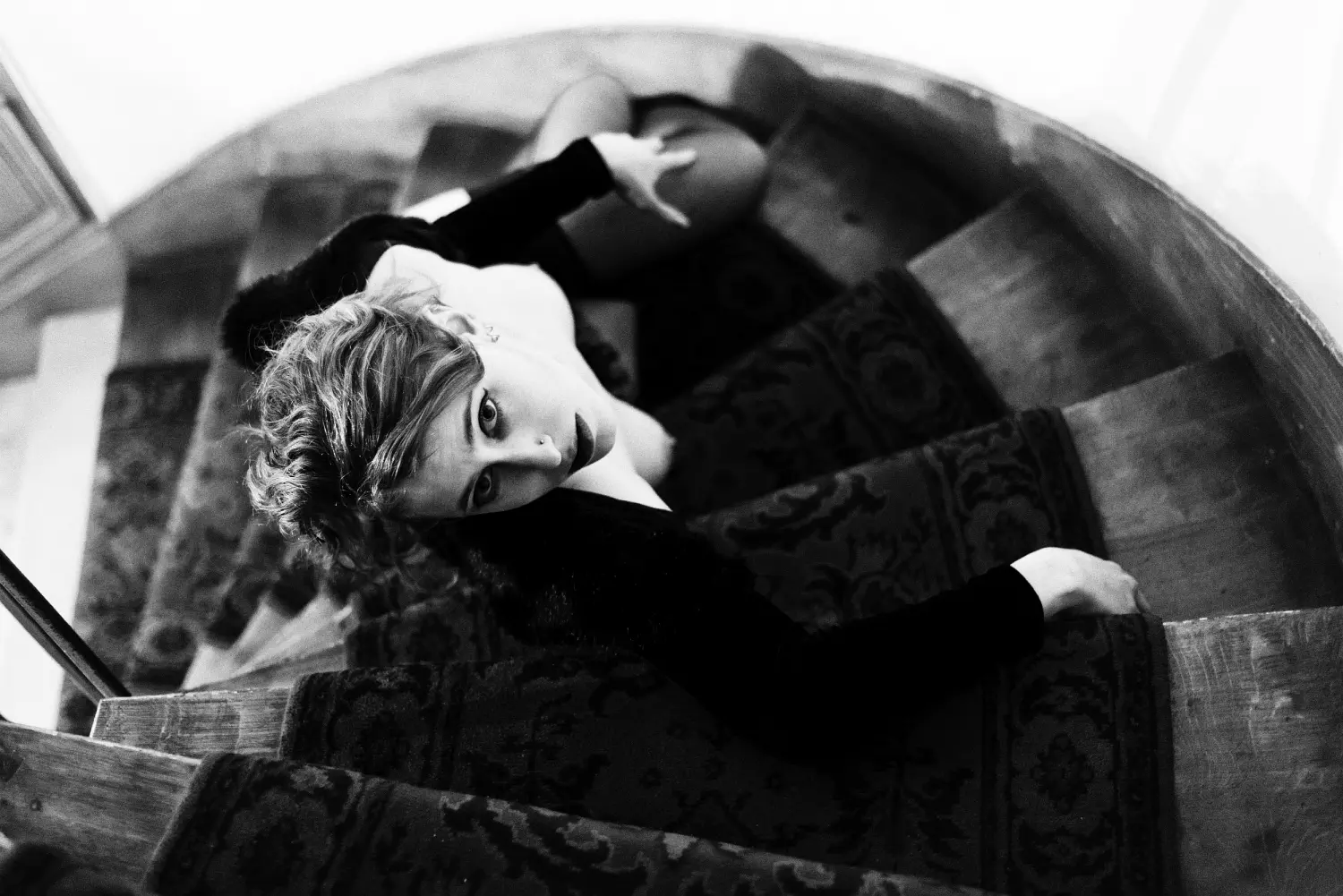
Great Gatsby — Burak Bulut Yıldırım
How a pose may feel
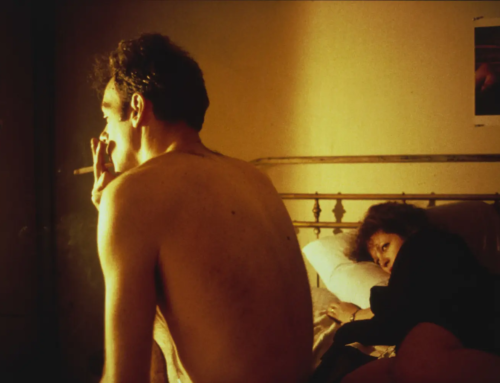
An athletic pose can suggest balance, effort or strain; an embrace can suggest closeness. Helmut Newton’s dynamic figures and Nan Goldin’s intimate photographs provide two ways to think about those responses. When directing a model, consider what a posture might suggest to someone looking at the photograph.
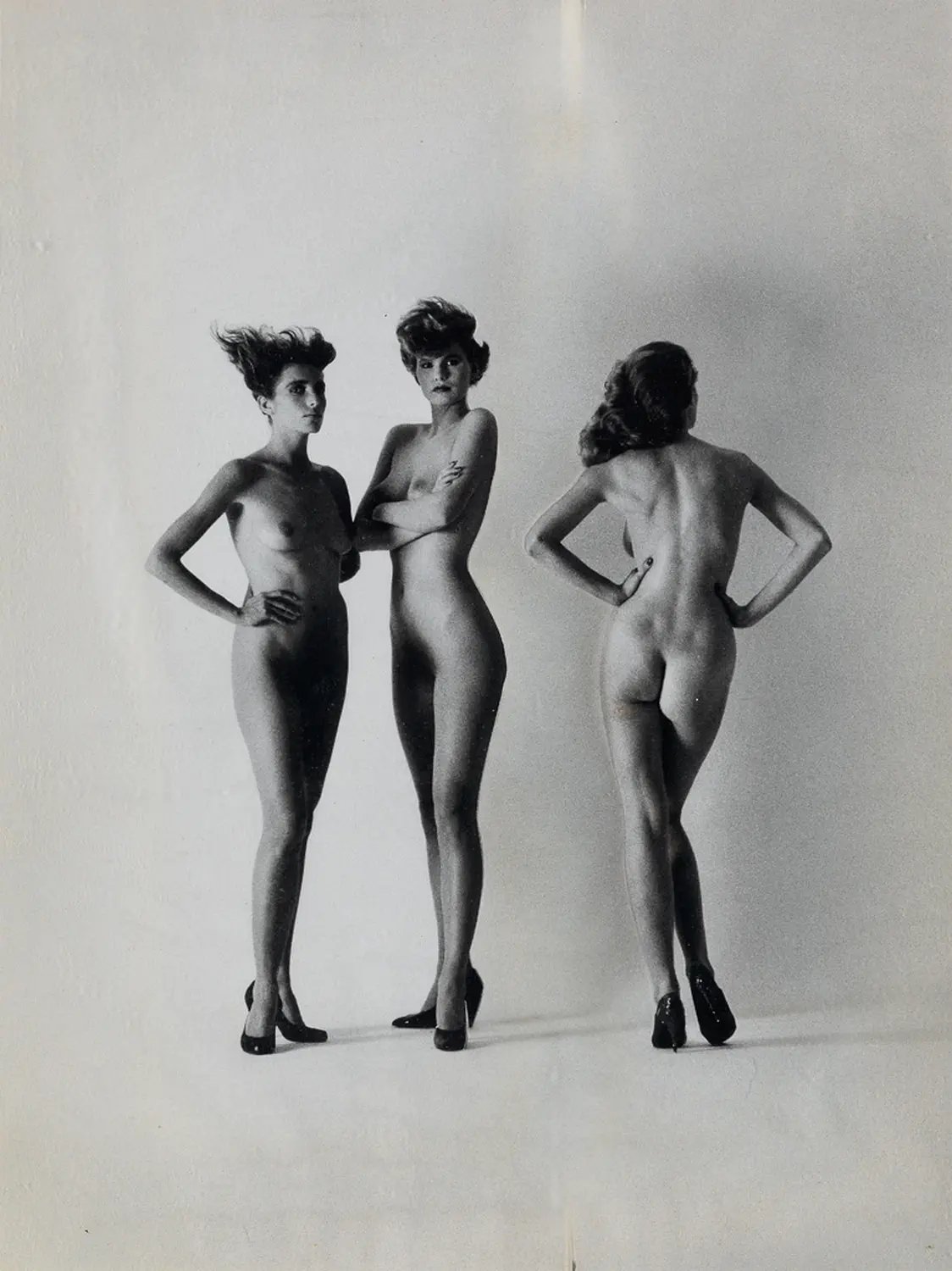
Helmut Newton
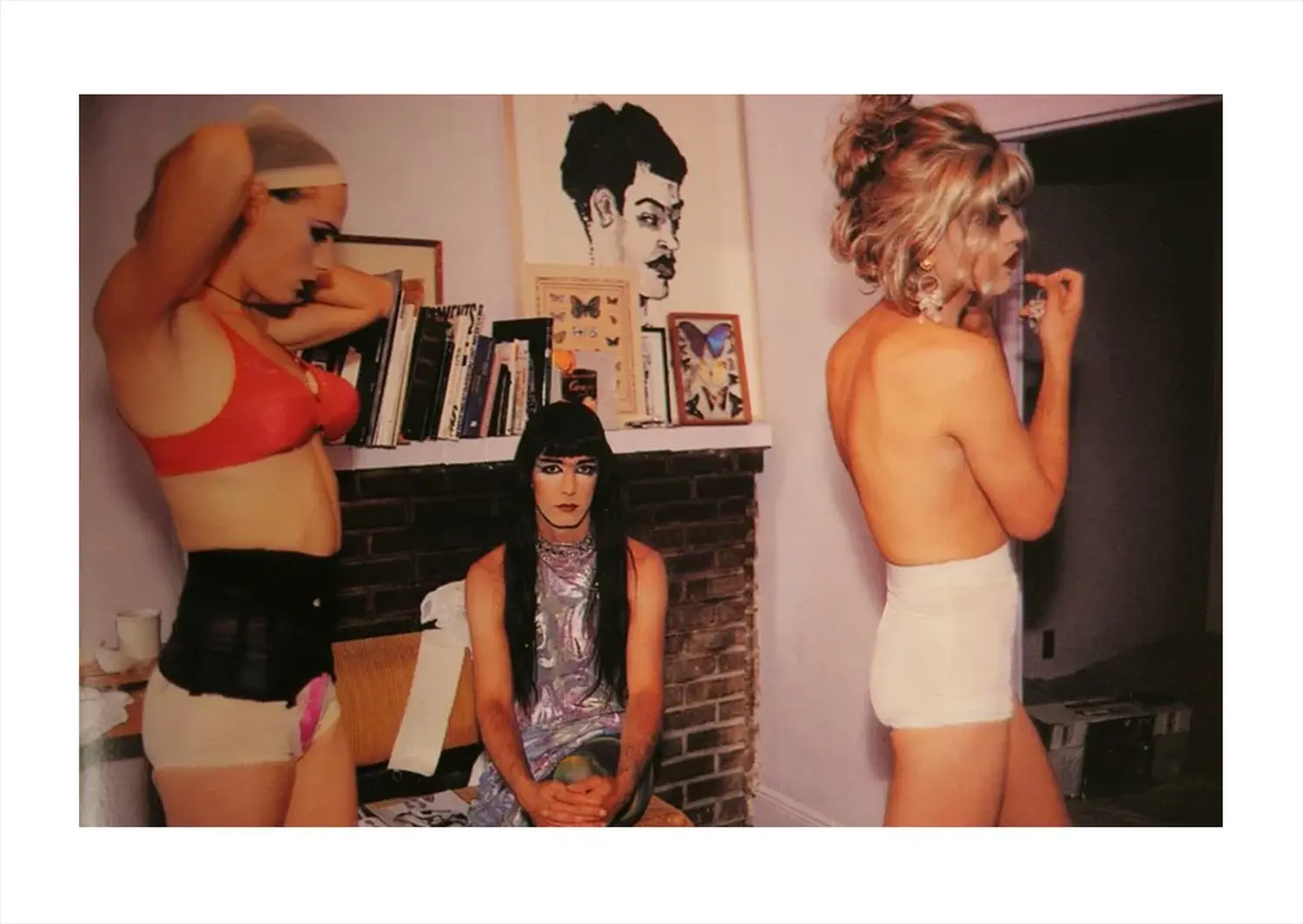
Nan Goldin
Different approaches to beauty
Research in neuroaesthetics has associated the experience of beauty with activity in reward-related brain regions. Bettina Rheims’ polished, symmetrical photographs work with conventional beauty ideals. Jenny Saville’s paintings of heavy, unidealised bodies challenge those ideals. Their contrast offers a way to consider pleasure, discomfort and the satisfaction of encountering an unfamiliar view of the body.
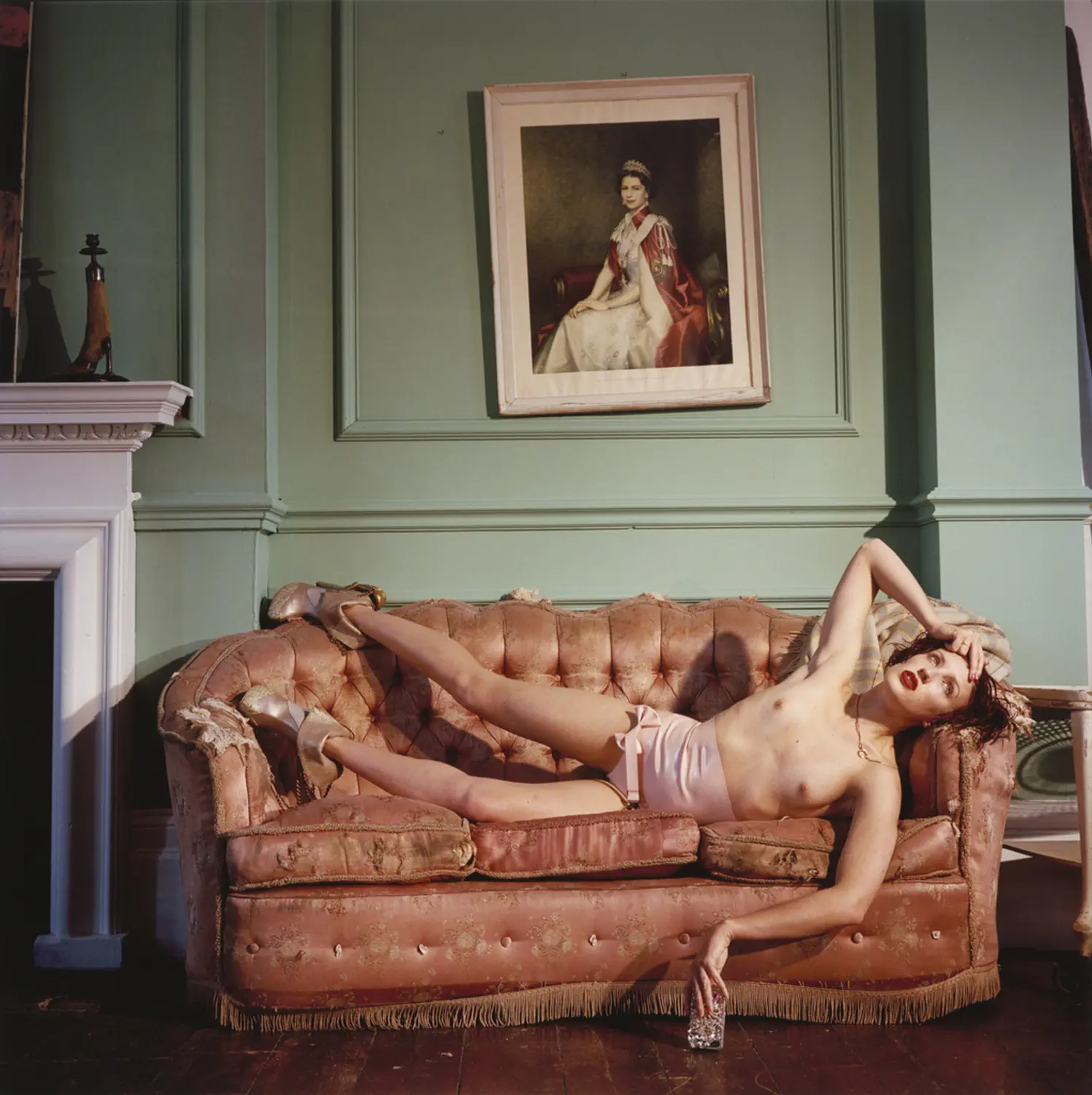
Bettina Rheims
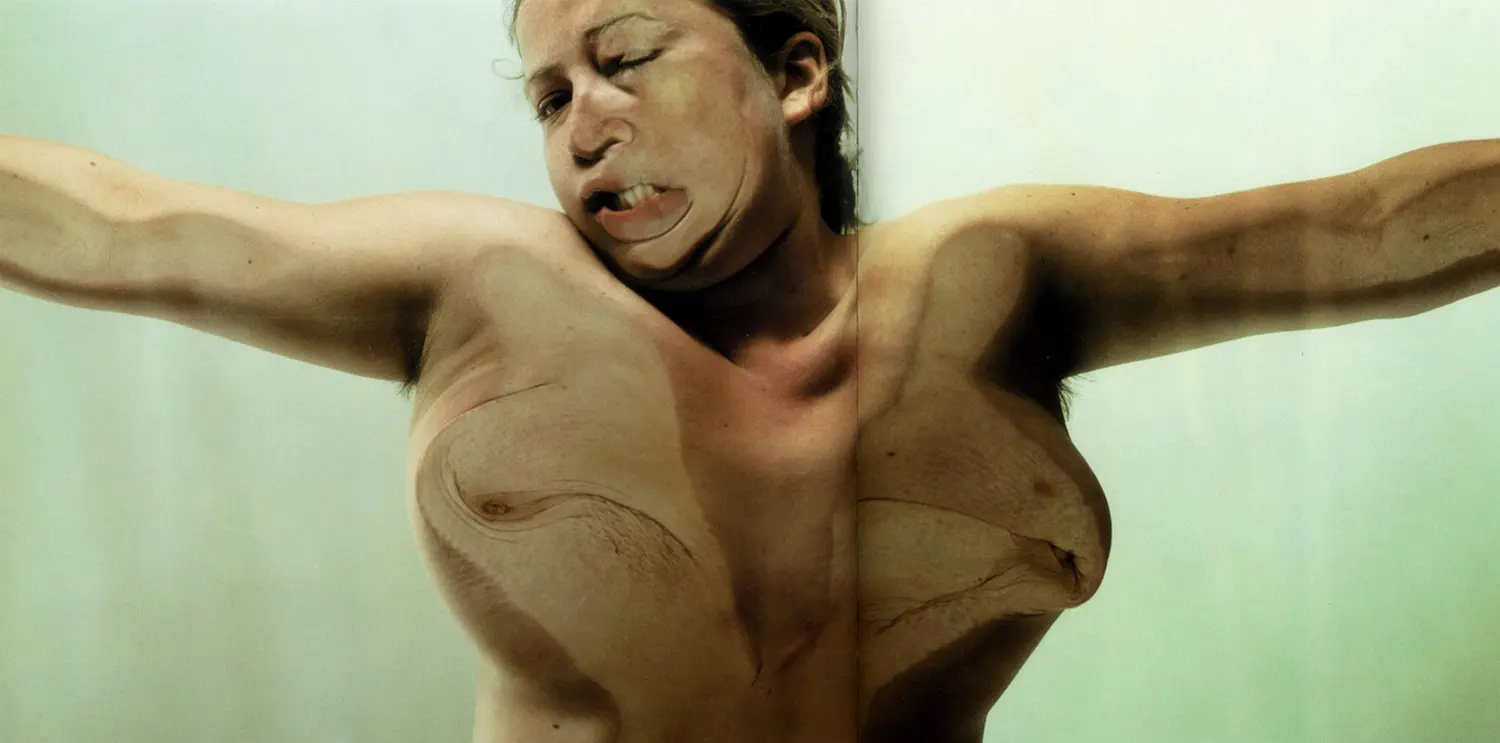
Jenny Saville (painting)
Surprise, narrative and texture
Prediction and surprise
Predictive accounts of perception describe the brain as anticipating visual input and responding when it differs from expectations. André Kertész’s “Distortions” offer a photographic example to consider: a recognisable body appears stretched into an unfamiliar form. The mismatch may draw attention and prompt closer looking. The compositional question is what the distortion contributes to the photograph.
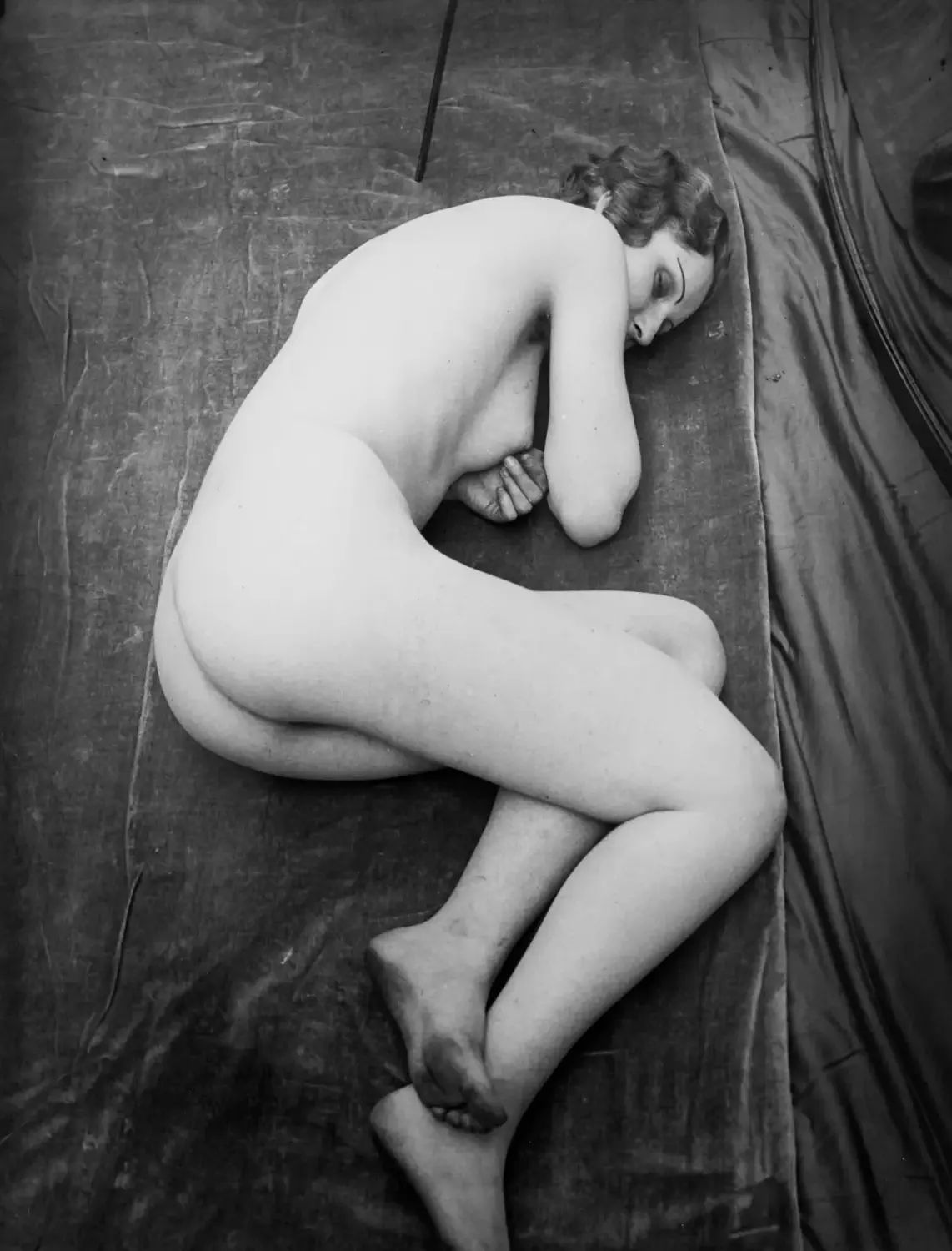
André Kertész, from "Distortions"
Leaving a story open
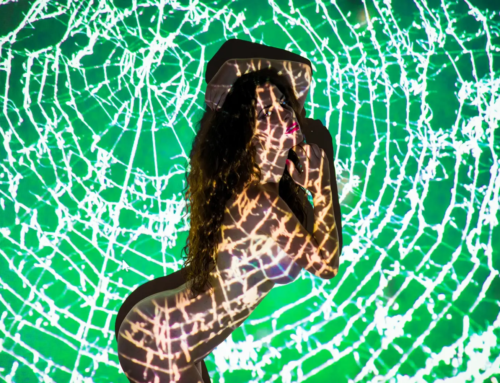
A photograph can suggest events before and after the moment shown, inviting the viewer to draw on memory and social experience. In my photograph “Bride”, the veil and title leave the story open. Is this a vulnerable moment before a ceremony, or an act of refusal? Keeping that question unresolved gives the viewer something to interpret.

Bride — Burak Bulut Yıldırım
Suggesting touch
Texture can suggest sensations beyond sight: cold skin, wet clay or the weight of a surface. In Robert Mapplethorpe’s mud-covered figure, the material on the body invites that kind of attention. For a photographer, the decision concerns how light and detail convey a tactile quality, and what that quality contributes to the image.

Robert Mapplethorpe
Fine-Art Nude Photography Workshops · Since 2012
Join the workshop list
Nude Art Workshops is a small-group programme founded by photographer and educator Burak Bulut Yıldırım. We run concept-led sessions with professional model collaborators and a maximum of six photographers.
Join the list for new workshop dates, visiting models, new cities, and programme updates. Subscribers usually hear about new sessions before public announcement.
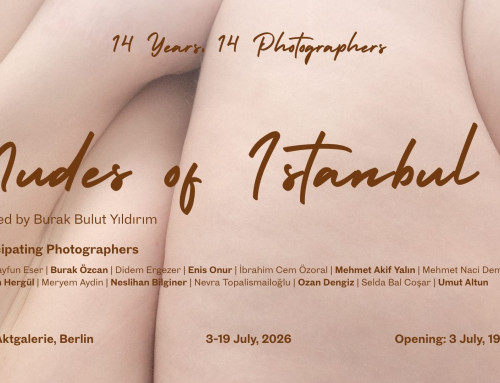
Fourteen years of our nude art workshops also became an exhibition and a hardcover book. The project is now held by the Victoria and Albert Museum’s National Art Library in London, Istanbul Modern, the German National Library, and private collectors.
Curious about the project? Discover The Nudes of Istanbul →
Maximum six photographers per session · No weekly sales emails · Instagram: @nudeartworkshops
Spencer Tunick and Rineke Dijkstra
Spencer Tunick arranges thousands of bodies so that individual figures can begin to read as pattern or terrain. One way to interpret his installations is as a shift in attention from each person to the spatial arrangement of the group. Their scale makes the body work differently within the image.

Spencer Tunick
Rineke Dijkstra concentrates on one adolescent at a time in “Beach Portraits”. These photographs are not nudes. They are relevant here because stance, held breath and direct gaze can convey self-consciousness and vulnerability. The viewer may recognise something familiar in that discomfort. This is a reading of the portraits through social experience.

Rineke Dijkstra, from "Beach Portraits"
Perception and responsibility
Knowing how an image may attract attention brings responsibility. Use that attention to allow different bodies and experiences into the frame, with dignity. Some viewers may connect a posture or emotional cue with a difficult personal history, including trauma. Consider that possibility when directing, selecting and presenting photographs. The purpose is to communicate an idea while respecting both the model and the viewer.

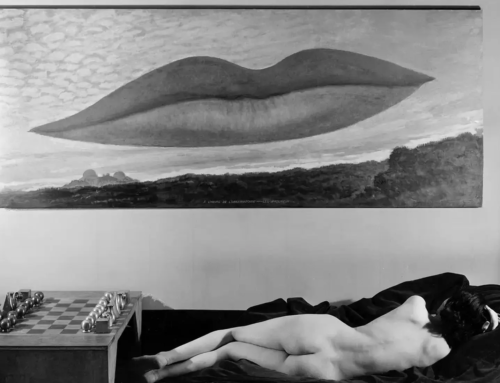
Ruth Bernhard
Applying these ideas
These ideas provide a vocabulary for discussing form, pose, context and narrative in a photograph. They can support image critique alongside intuition and experience. The companion articles look at posing as somatic language and lighting as interpretation. For the historical context, see the genre's pioneer history.
Questions photographers ask
Does the brain really process nudes differently from clothed figures?
Studies of body-selective visual regions and EEG responses suggest that unclothed and clothed bodies can produce different responses under research conditions. That finding concerns early perception and should be kept separate from claims about a photograph’s artistic value or a particular viewer’s experience.
Why do viewers distinguish art from pornography?
Context, composition, framing, narrative and presentation all contribute to how a viewer categorises an image. Interpretation can develop or change after the first reaction. Cultural expectations and personal experience also affect whether the image is read as art or pornography.
Can I use this science without manipulating viewers?
Use it as a way to think about communication. Consider the clarity of the form, the emotional quality of a pose and the space left for interpretation. Respect the model’s boundaries and the viewer’s ability to make their own judgment.
Where is this applied in practice?
In our Berlin and Istanbul workshops, image critique runs on exactly this question, what the frame makes the viewer do, inside a concept-first structure where the idea, not the nudity, is the subject.
Our workshops apply these ideas through shooting and image critique. Each session starts with a concept, with theme, form and collaboration between model and photographer taking priority over sexuality. Led by Burak Bulut Yıldırım, Berlin-based photographer and curator practicing since 2005: fourteen-plus years of nude art workshops, 50+ editions, 300+ photographers, exhibitions in Berlin, Zurich, Barcelona, Rome, Thessaloniki and Heilbronn, curator of Nudes of Istanbul (Die Akt Galerie Berlin, 2026; hardcover by Mijuk Papers Berlin).
Portfolio: burakbulut.org · Limited editions on Saatchi Art and Artsper · Contact: [email protected]