


The Mythic Body: A Guide to Jungian Archetypes in Nude Art Photography
In the realm of nude art photography, the unclothed human form becomes a canvas for exploring the deepest currents of the human psyche. Beyond mere aesthetics, the body can be a conduit for universal stories, emotions, and symbols that resonate across cultures and time. The concepts of archetypes and the collective unconscious, introduced by Swiss psychiatrist Carl Jung, offer a profound framework for this exploration. By tapping into this “mythic grammar” of the human mind, photographers can create images that speak a universal language, connecting with viewers on a powerful, often subconscious level. This comprehensive guide explores how understanding and utilizing Jungian archetypes can elevate your nude art photography to new depths of meaning and emotional impact.
Understanding the Jungian Framework
The Collective Unconscious: The Deep Ocean of Humanity
Carl Jung proposed that beneath our personal, individual unconscious lies a deeper, shared layer he called the collective unconscious. Think of it as a vast, ancient ocean of psychic material common to all humankind. It is a reservoir of the experiences, memories, and ancestral wisdom of our species. It is not something we learn; it is something we are born with. This collective inheritance is the source of the powerful, primordial images and ideas that surface in our dreams, myths, religions, and, most importantly for us, our art.
Key points:
- It is universal, not personal: Unlike the personal unconscious, which holds our own repressed memories and experiences, the collective unconscious is shared by everyone.
- It is the source of archetypes: This shared psychic reservoir contains the blueprints for the fundamental patterns of human experience—the archetypes.
- It explains universal symbols: The collective unconscious is why the story of a great flood, the symbol of a wise old man, or the image of a serpent appear in the myths of vastly different cultures that had no contact with one another.
Archetypes: The Primordial Patterns
Archetypes are the innate, universal patterns and images that reside within the collective unconscious. They are not specific images but rather predispositions to experience and perceive the world in certain ways. They are the blueprints for fundamental human motifs: birth, death, love, betrayal, the hero’s journey, the search for meaning. They are the characters that play out the drama of our lives on both a personal and collective stage.
Key characteristics of archetypes:
- They are innate and universal: Every human being is born with the potential to experience these archetypal patterns.
- They shape our perceptions: They act like psychic instincts, influencing how we interpret our experiences and react to the world.
- They manifest everywhere: We encounter them constantly in dreams, fairytales, literature, film, and all forms of art, where they are given specific cultural forms.
Major Archetypes and Their Application in Nude Photography
1. The Hero Archetype
The Hero represents the ego’s journey of overcoming obstacles, defeating metaphorical dragons (both internal and external), and achieving a state of transformation and wholeness. It is the archetype of courage, resilience, and the triumph of consciousness over the unknown. In photography, this archetype is not about literal superheroes but about capturing the spirit of human potential and victory over adversity.
Application in nude photography:
- Capture nude figures in powerful, dynamic, or victorious poses that suggest strength and control.
- Use dramatic, high-contrast lighting—like a single, strong key light—to create a sense of theatrical triumph and sculpt the body’s musculature.
- Incorporate environmental elements that suggest a journey or a challenge that has been overcome, such as a figure standing atop a mountain or emerging from dark waters.
Technique Idea: “The Hero’s Journey Series” – Create a photographic series that depicts different stages of the hero’s journey as described by Joseph Campbell, from the “call to adventure” to the “return with the elixir,” using the nude form to tell this universal story. **Mariano Vivanco’s photograph is a perfect embodiment of the Hero archetype, with its subject in a powerful, statuesque pose, bathed in dramatic light that highlights a physique of classical, god-like perfection.**
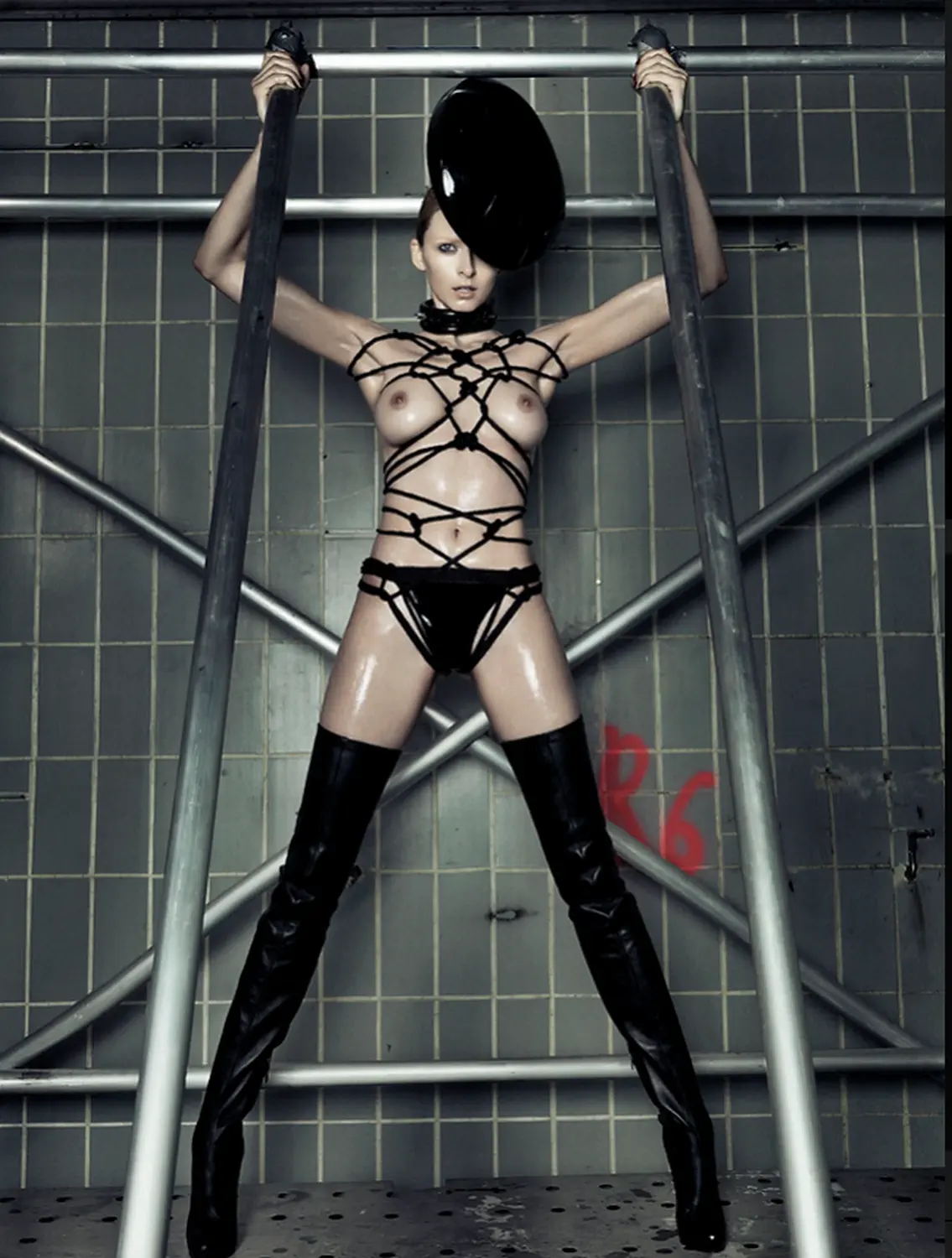
Mariano Vivanco
2. The Great Mother Archetype
The Great Mother is a dualistic archetype symbolizing the life-giving, nurturing, and creative forces of nature and the feminine. She is fertility, abundance, and unconditional love. However, her shadow side can be the devouring, possessive, or destructive mother, representing the overwhelming and consuming power of nature. In art, she can be Gaia, Mother Earth, or a personal, intimate portrait of motherhood.
Application:
- Photograph pregnant nudes or mothers with their children to directly engage with themes of creation and nurture.
- Use lush, natural settings—forests, fields of flowers, bodies of water—that emphasize growth, abundance, and the cycles of life.
- Incorporate circular shapes (symbolizing wholeness and the womb) and water elements (symbolizing birth and the unconscious) into your compositions.
Technique Idea: “Cycles of Life” – Create a triptych that depicts the archetypal stages of womanhood—the Maiden, the Mother, and the Crone—emphasizing the nurturing and life-giving aspects of each stage. **Lola Melani’s stunning photograph of a mother and child is a modern icon of the Great Mother archetype in her most nurturing aspect, capturing a moment of profound connection and serenity.**

Lola Melani
3. The Wise Old Man/Woman (The Sage) Archetype
This archetype represents wisdom, knowledge, introspection, and guidance. The Sage is the keeper of ancient truths, the mentor who appears in stories to guide the hero. In photography, this archetype is about capturing the dignity and depth of lived experience, showing that wisdom is etched into the body itself.
Application:
- Capture older nude models in quiet, contemplative, or thoughtful poses.
- Use props like books, ancient objects, or symbolic tools associated with knowledge and spirituality.
- Create a sense of stillness, depth, and profound calm in your compositions, often using soft, diffused light.
Technique Idea: “Wisdom of the Body” – Photograph older models, focusing on how their bodies tell the story of their lives. Use lighting to lovingly emphasize wrinkles, scars, and other marks that speak to a life fully lived. **Jocelyn Lee’s powerful and dignified portrait of an older woman does exactly this, finding immense beauty and wisdom in a body that defies conventional standards, perfectly embodying the Sage archetype.**
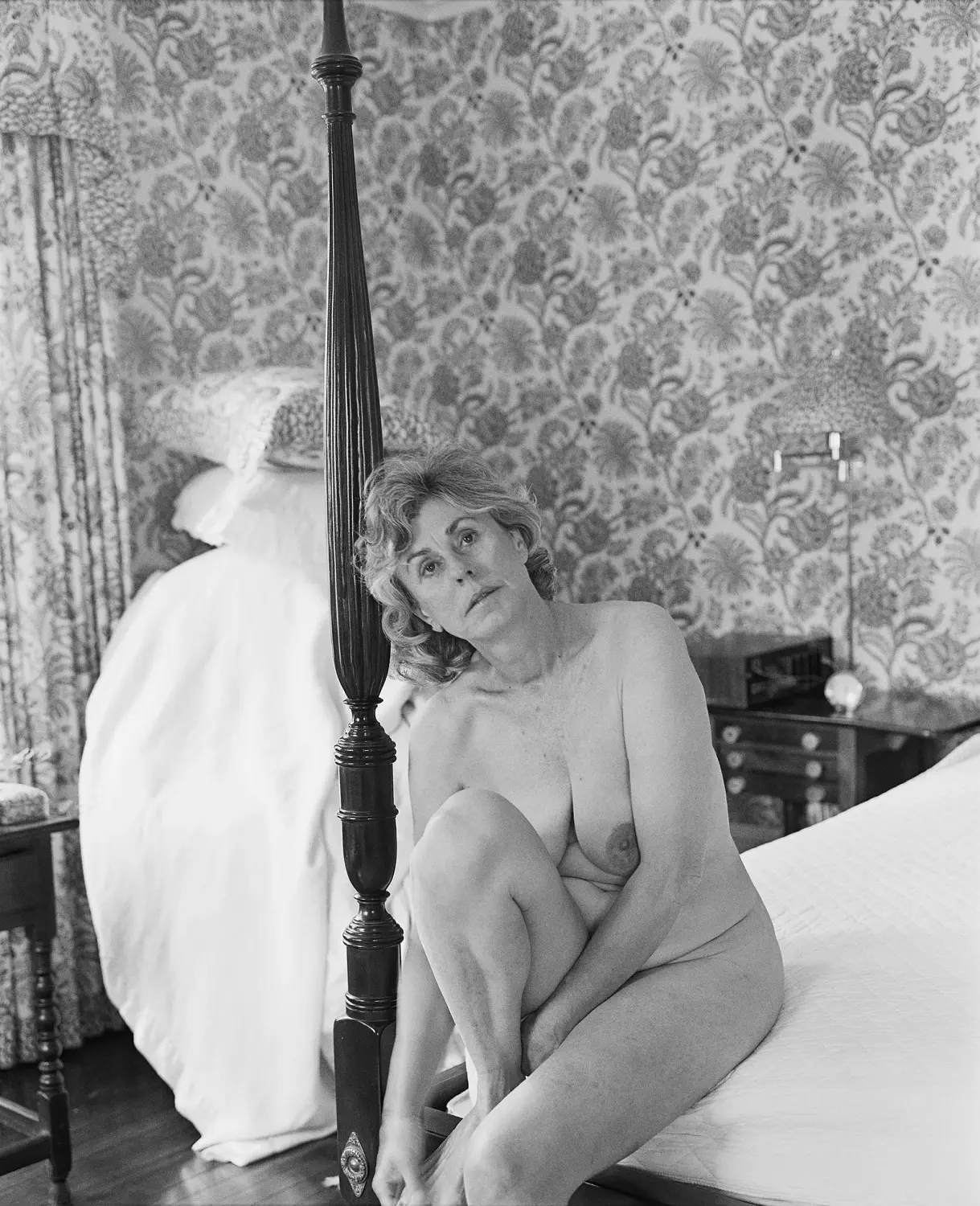
Jocelyn Lee
4. The Trickster Archetype
The Trickster embodies mischief, chaos, cunning, and the breaking of rules. He is the jester, the shapeshifter, and the catalyst for change who challenges authority and disrupts the status quo. While sometimes a force for chaos, the Trickster is also a necessary agent of change, forcing us to question our assumptions. In art, the Trickster allows for humor, irony, and surrealism.
Application:
- Photograph nudes in unexpected, absurd, or humorous situations that defy logic.
- Play with perspective, scale, and optical illusions to create visual puns and challenge the viewer’s perception of reality.
- Use props or settings that subvert the viewer’s expectations of a “serious” nude art photograph.
Technique Idea: “Body Illusions” – Create a series of photographs that use the nude body to create optical illusions or impossible scenarios, embodying the Trickster’s ability to bend reality. **The playful and gravity-defying pose in Mariano Vivanco’s photograph captures the energetic and convention-breaking spirit of the Trickster.**
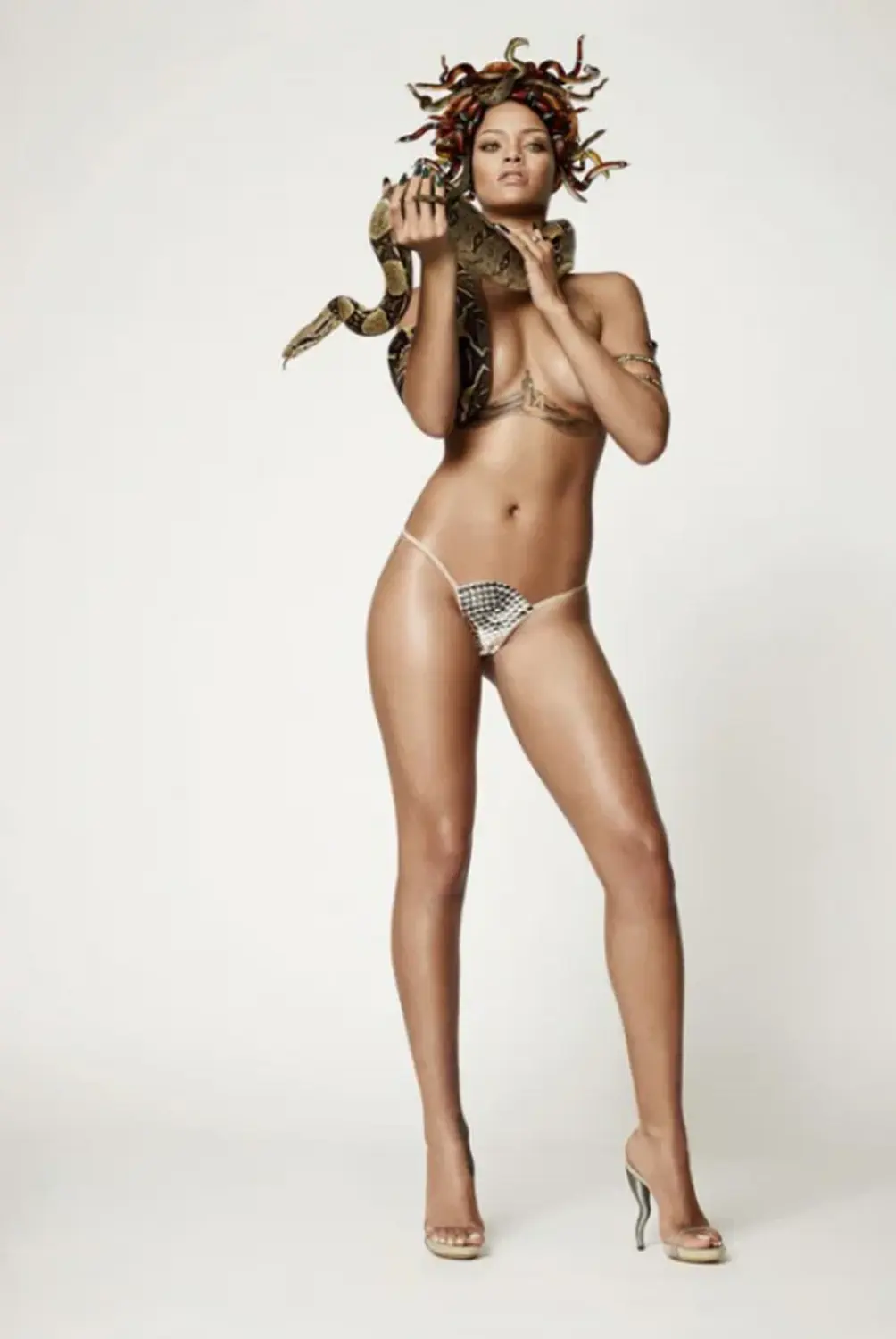
Mariano Vivanco
5. The Shadow Archetype
The Shadow represents the dark, repressed, and unknown aspects of the psyche. It contains all the things we deny about ourselves—our fears, our insecurities, our darker impulses. Jung believed that we must confront and integrate our Shadow to achieve wholeness. In photography, the Shadow is a powerful tool for exploring themes of duality, the subconscious, and the hidden self.
Application:
- Use high-contrast, low-key lighting (chiaroscuro) to create dramatic, enveloping shadows that conceal as much as they reveal.
- Capture partially obscured, fragmented, or blurred nudes to suggest a hidden or mysterious aspect of the self.
- Incorporate elements that suggest duality, such as masks, mirrors, or reflections.
Technique Idea: “Embracing the Shadow” – Create diptychs that show two sides of the same subject—one in full light, representing the persona (the social mask), and one in deep shadow, representing the hidden self. **Burak Bulut Yıldırım’s “The Mask” is a direct visual exploration of the Shadow. The obscured face and high-contrast lighting create a powerful metaphor for the repressed, unknown parts of the psyche that lie beneath our social masks.**
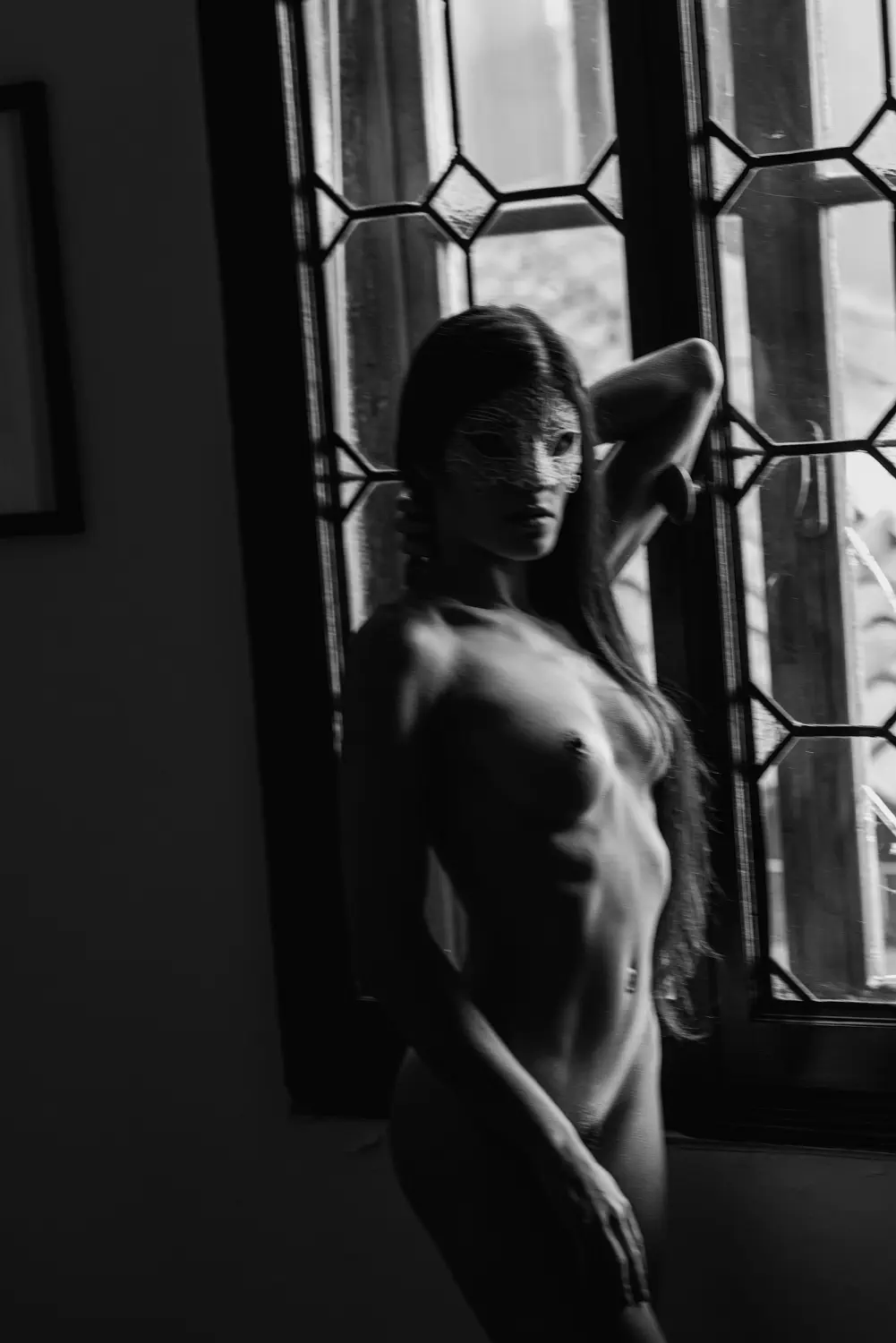
The Mask by Burak Bulut Yıldırım
6. The Anima/Animus Archetype
These archetypes represent the unconscious, contrasexual aspect of a person’s psyche. The Anima is the inner feminine in a man, and the Animus is the inner masculine in a woman. Jung believed that integrating this inner opposite was crucial for psychological wholeness. In art, this archetype allows for an exploration of androgyny, gender fluidity, and the integration of masculine and feminine energies within a single individual.
Application:
- Create images that deliberately challenge and blur traditional gender representations.
- Work with androgynous models or use poses, lighting, and styling to create a sense of gender ambiguity.
- Incorporate both traditionally “masculine” and “feminine” symbols or gestures in a single image to suggest psychic integration.
Technique Idea: “Gender Fluidity Series” – Create a series of portraits of subjects embodying both masculine and feminine qualities, using lighting and composition to move beyond binary definitions of gender. **John Anton’s photograph, with its soft lighting and a pose that is both strong and graceful, beautifully explores this sense of androgyny and the integration of the Anima/Animus.**
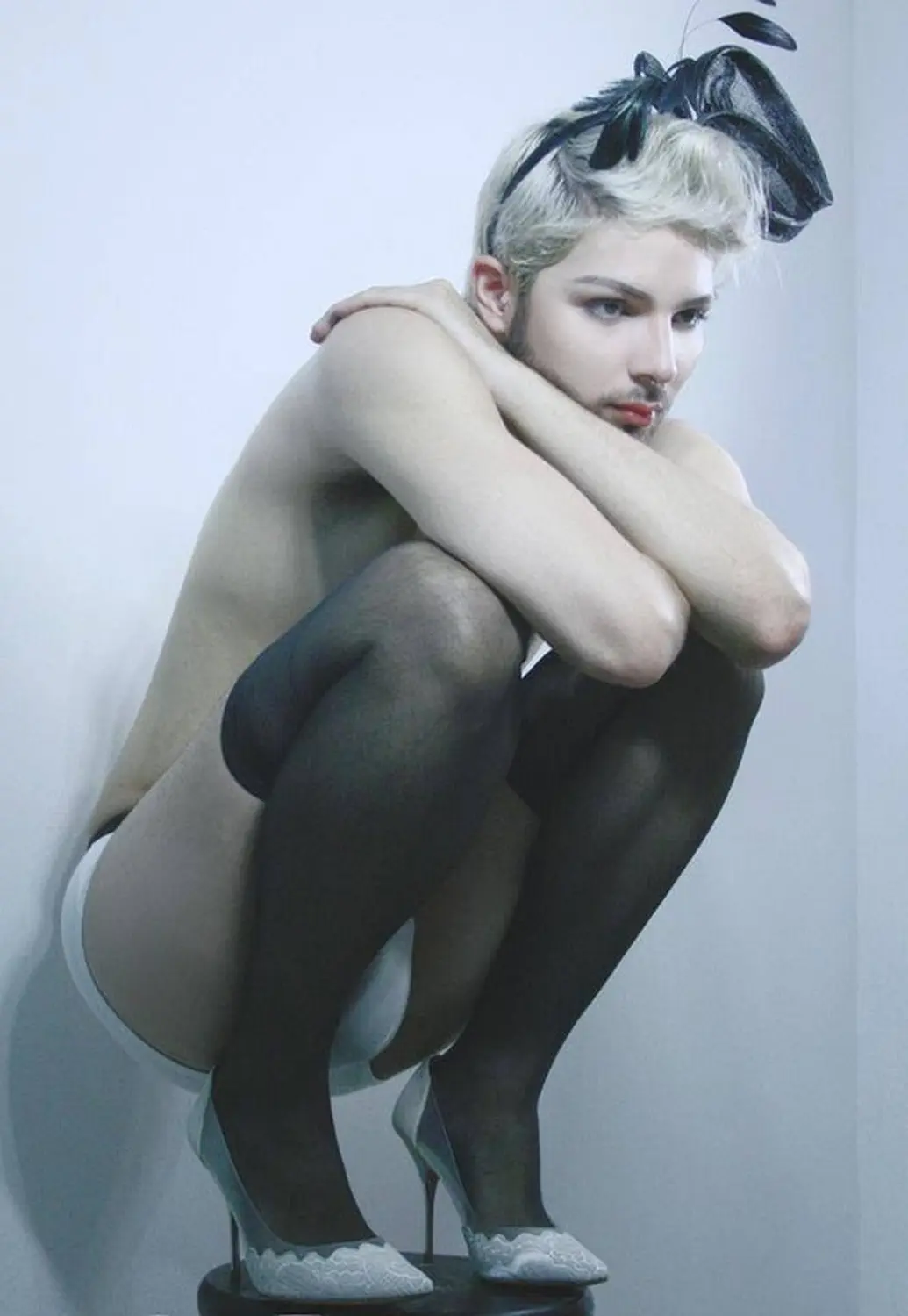
John Anton
7. The Self Archetype
The Self is the ultimate archetype, representing the unified, whole psyche and the goal of the life-long process Jung called “individuation.” It is the integration of all aspects of the self, both conscious and unconscious, light and dark. The Self is often symbolized by circles, mandalas, or divine figures—images of unity, totality, and completeness.
Application:
- Create mandala-like compositions using the human form, either with a single, contorted body or with multiple figures arranged symmetrically.
- Use perfect symmetry, circular compositions, or framing devices like hoops or circles to suggest a sense of wholeness and spiritual balance.
- Incorporate universal symbols of unity and divinity, such as light emanating from the center of the body.
Technique Idea: “Body Mandalas” – Arrange multiple nude figures to create complex, symmetrical patterns reminiscent of spiritual mandalas, symbolizing the integration of the various aspects of the psyche into a unified whole. **Hannah Wilke’s performative work, where she placed small, vulva-shaped sculptures on her body, can be seen as a form of mandala, marking the body as a site of both vulnerability and wholeness (the Self).**

Hannah Wilke
Advanced Techniques for Archetypal Nude Photography
1. Archetypal Environments
The setting of your photograph is not just a background; it is a powerful symbolic realm. By choosing or creating environments that embody archetypal energies, you can vastly amplify the meaning of your image.
- The Forest: A classic symbol of the unconscious, mystery, and the unknown. A nude figure in a dense forest can represent a journey into the self. **This is perfectly captured in Burak Bulut Yıldırım’s “Into the Wild,” where the figure seems to be both lost and at home in the mysterious woods.**
- The Desert: Represents spiritual quests, isolation, and the stripping away of the non-essential. It is a place of profound introspection. **The nude in the desert in the photo by Minotaurus Photography evokes this sense of solitude and endurance.**
- The Ocean: Symbolizes the vastness of the collective unconscious, deep emotions, and the unknown depths of the psyche. **Harry Fayt’s underwater photography places the body in this dreamlike, unconscious realm.**
- The Mountain: Represents transcendence, challenges, and the peak of consciousness. A figure on a mountain top is a powerful symbol of achievement and perspective. **Nadir Khan’s image places the subject in a vast, challenging mountainscape, suggesting a heroic journey.**

Into the Wild by Burak Bulut Yıldırım
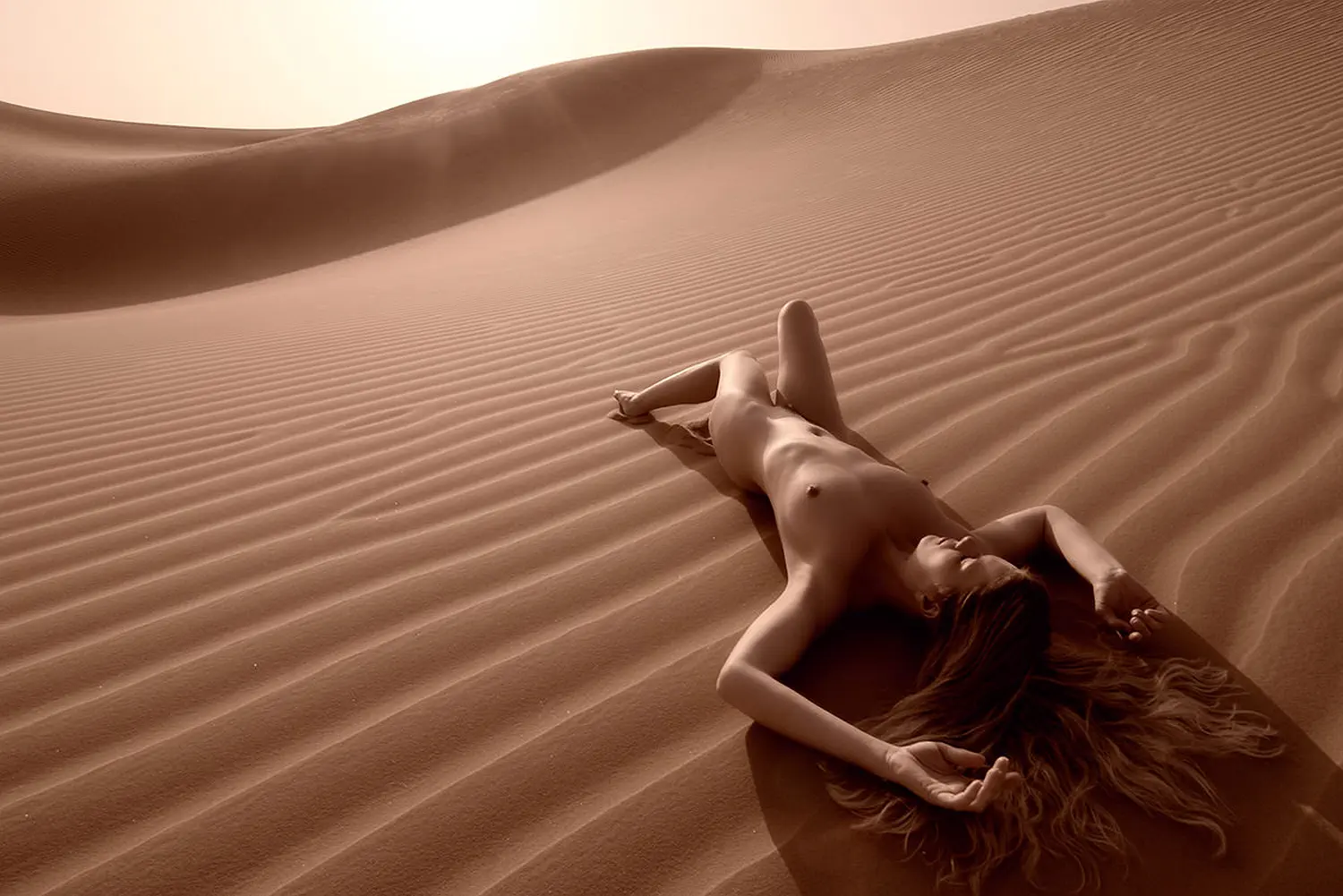
Minotaurus Photography

Harry Fayt

Nadir Khan
2. Symbolic Objects and Props
Carefully chosen props can act as powerful activators of archetypal meaning, adding layers of narrative and symbolism to your image.
- Mirrors: A classic symbol of self-reflection, the soul, truth, and the duality of reality and illusion. **In Burak Bulut Yıldırım’s “Purple,” the mirror fragments and multiplies the body, exploring a fractured or multifaceted self.**
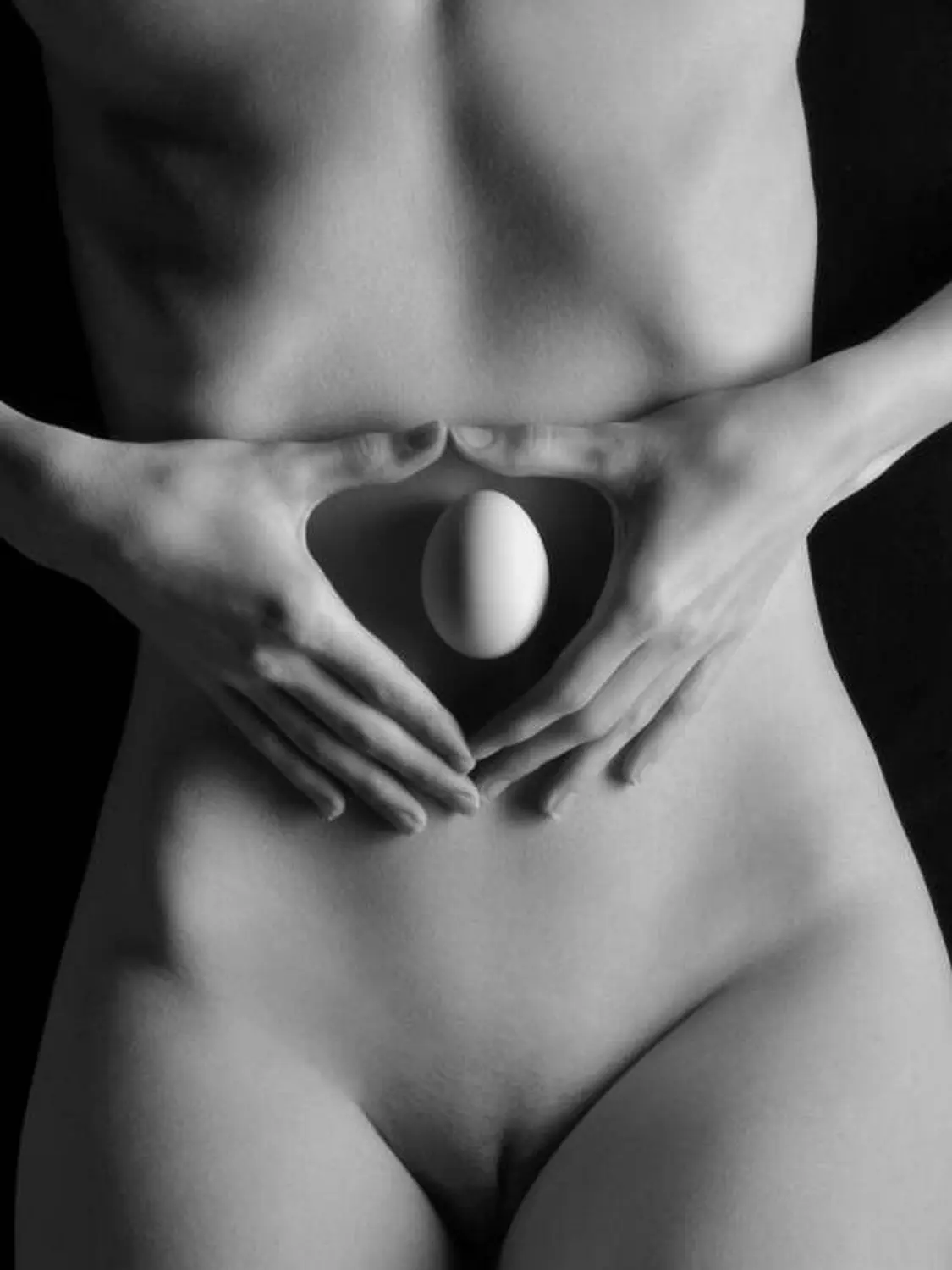
- Eggs: Represent potential, rebirth, fertility, and the cosmic origin of life. **Chris Maher’s simple, elegant composition uses the egg as a powerful symbol of latent potential.**
- Snakes: A deeply dualistic symbol representing transformation, healing, and knowledge (as in the Rod of Asclepius), but also temptation and danger. **John Swannell’s iconic portrait of a woman with a snake is a direct invocation of this powerful, transformative archetype.**
- Bridges: Symbolize transition, connection between two realms (e.g., conscious and unconscious), and life-changing passages. **The bridge in “Bella Donna” by Burak Bulut Yıldırım becomes a stage for a moment of transition.**
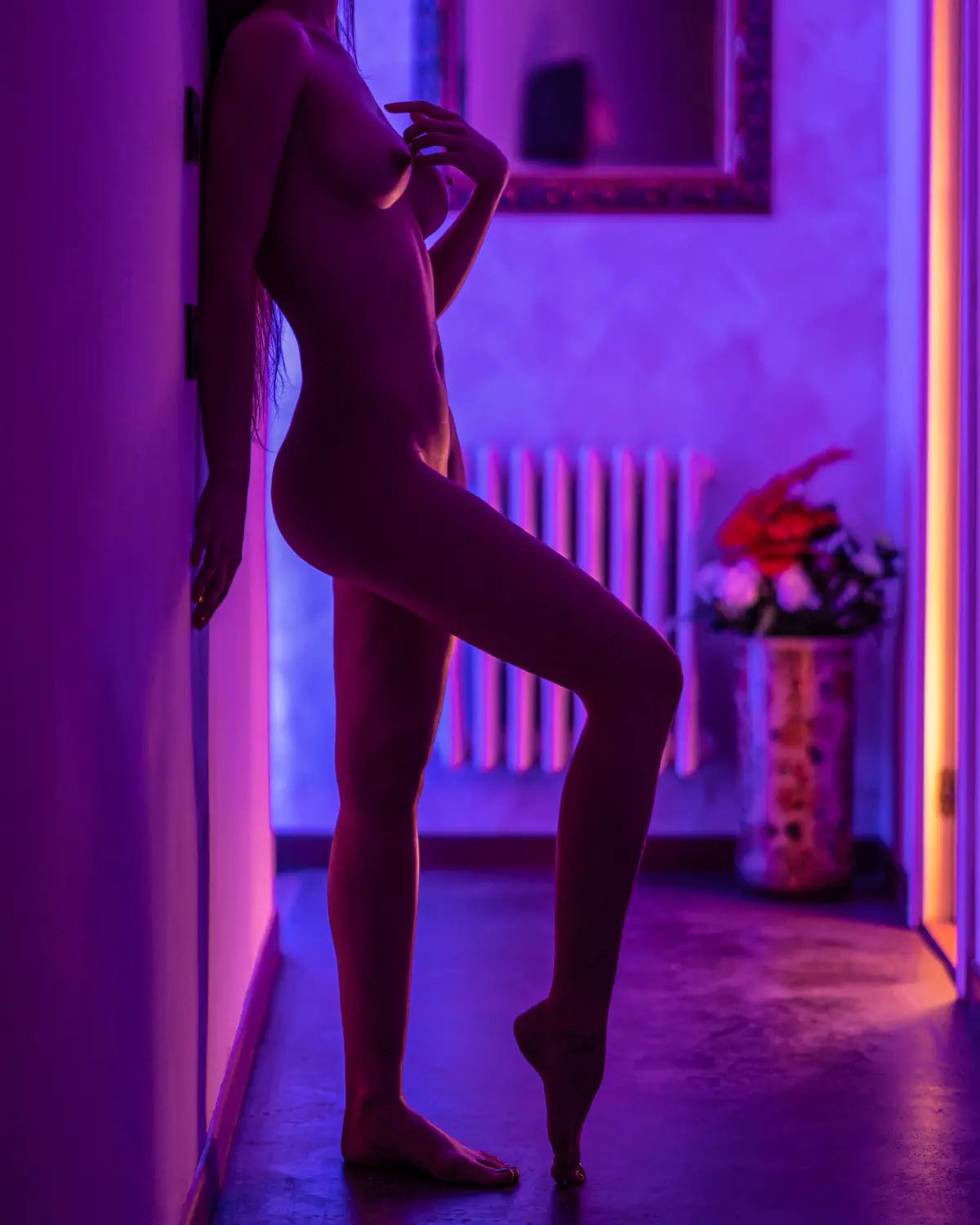
Purple by Burak Bulut Yıldırım
Chris Maher

John Swannell

Bella Donna by Burak Bulut Yıldırım
3. Archetypal Color Symbolism
Color is a powerful, non-verbal language that speaks directly to our subconscious. Using color purposefully can instantly evoke specific archetypal associations and emotional states.
- Red: The color of blood and fire, it evokes primal emotions of passion, life-force, desire, and also danger or anger. **”Red Dreams” by Burak Bulut Yıldırım uses a saturated red to create an intense, dreamlike atmosphere.**
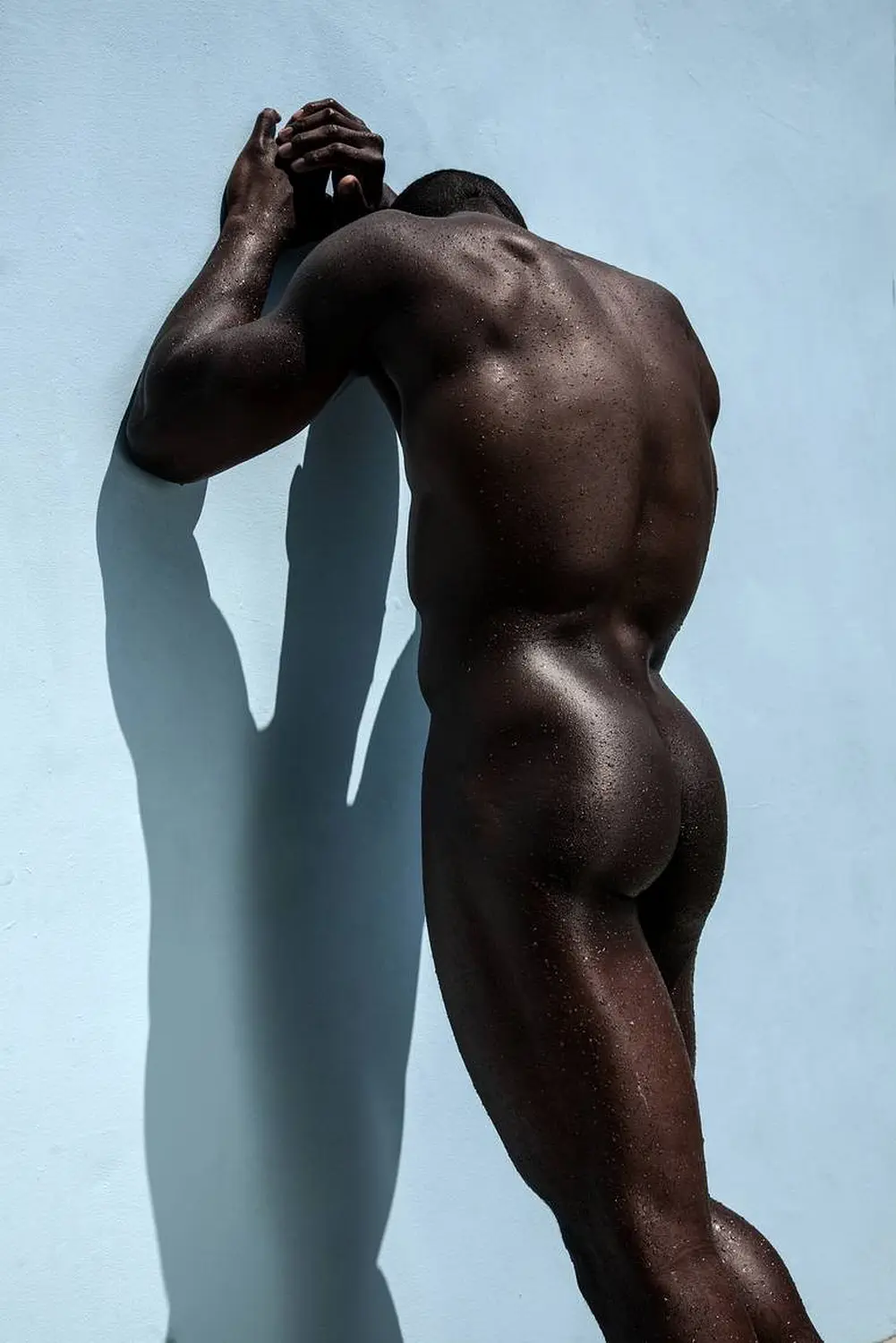
- Blue: The color of the sky and the deep sea, it suggests tranquility, spirituality, infinity, and the unconscious. **Gregory Prescott’s striking portrait uses a deep blue to evoke a sense of calm and profound depth.**
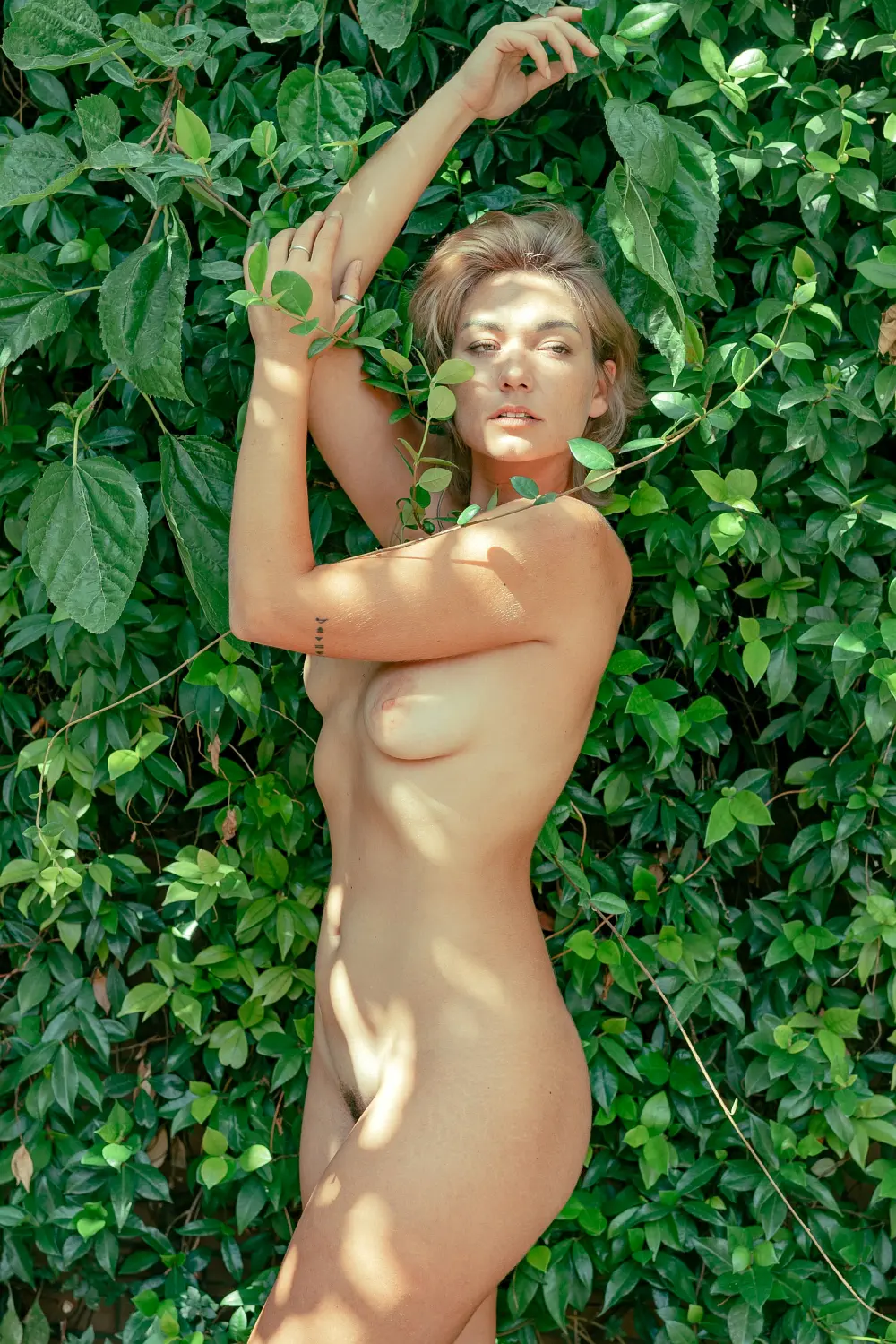
- Green: The color of nature, it symbolizes growth, fertility, healing, and renewal. **The lush green in Burak Bulut Yıldırım’s “Secret Garden” envelops the figure in the energy of life and nature.**
- Gold: The color of the sun, it represents divinity, enlightenment, preciousness, and the perfected Self archetype. **Guido Argentini’s work often uses gold body paint to transform his subjects into divine, statuesque figures.**

Red Dreams by Burak Bulut Yıldırım
Gregory Prescott
Secret Garden by Burak Bulut Yıldırım

Guido Argentini
Berlin: A City of Archetypes
When seeking to capture archetypal energies, the city of Berlin offers a uniquely potent stage. It is a city whose very identity is an archetypal story of death and rebirth. The **Phoenix** archetype is written into its architecture—a city reduced to rubble and reborn from its own ashes, constantly reinventing itself. This provides a powerful backdrop for projects exploring personal transformation. The **Shadow** is also undeniably present, not repressed but openly acknowledged in the memorials and scars of its dark 20th-century history. This makes Berlin an honest and powerful place to explore themes of confronting and integrating the darker aspects of our collective psyche. Finally, the city’s vibrant counter-culture, legendary nightlife, and fierce protection of individual expression embody the **Trickster** or **Rebel** archetype, making it the perfect environment for art that challenges conventions and celebrates freedom. This deep, mythic resonance makes Berlin not just a location, but a collaborator in the creation of archetypal art.
Conclusion: Photography as a Mythic Art
Incorporating Jungian archetypes into your nude art photography is an invitation to become a modern mythmaker. It is a way to create images that possess a deep, universal appeal because they tap into the very structure of the human psyche. By learning to speak this symbolic language, you can create photographs that resonate on a primal, emotional level, moving beyond the personal to touch upon the collective. The most impactful nude art often connects to something larger than the individual—a shared human experience, a universal fear, a collective hope. By understanding and utilizing archetypes, you can create images that don’t just capture the eye, but also speak to the soul, enriching your artistic practice and contributing to the timeless dialogue between art, psychology, and the human experience.
Awaken the Archetypes Within: Workshops in Berlin
The journey into the world of archetypes is a profound path of artistic and personal discovery. In his workshops in the archetypally-rich city of Berlin, experienced photographer Burak Bulut Yıldırım guides artists in exploring these deep psychological themes. With 19 years of experience, Yıldırım’s teaching emphasizes how understanding these universal symbols can help photographers create images with a powerful, often subconscious impact. These workshops are a space to learn the techniques to translate these grand, mythic ideas into compelling, personal artworks. For collectors, his limited edition works are available on Saatchi Art and Artsper, and his full portfolio can be seen at burakbulut.org.
To learn more about incorporating these powerful concepts into your work or to join a workshop that delves into the psychology of imagery, reach out via Instagram or email at hello@nudeartworkshops.com.