


The Emotional Core of Nude Photography: A Dialogue Between Body and Psyche
Nude art photography transcends the simple documentation of the human form. At its most potent, it is a complex medium for articulating the vast spectrum of human emotion, staging a dialogue between our physical bodies and our internal, psychological landscapes. It moves beyond aesthetics to investigate the very essence of our experience in its most unguarded state. This article examines the foundational role of emotion in nude photography, offering both a theoretical framework and practical techniques for artists seeking to create images that resonate with profound intellectual and emotional gravity.
The Unveiled Psyche: Vulnerability as a Conduit for Truth
The act of removing clothing is more than a physical change; it’s a psychological one. It systematically dismantles the social armor and constructed identities we present to the world. This induced vulnerability is not a weakness but a powerful artistic gateway to authentic emotional expression.

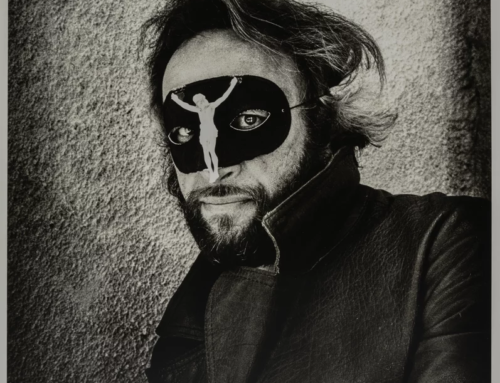
Olivier Valsecchi
In this state, a unique dynamic of trust and intimacy emerges between the photographer and the subject. The resulting image becomes a testament to that shared psychological space. For the viewer, the unclothed form acts as a mirror, reflecting universal human conditions—joy, sorrow, strength, fragility—and forging a connection that transcends individual experience.
A Spectrum of Embodied Emotion
The nude can articulate a vast range of emotional states, far beyond simple beauty. Consider the breadth of this expressive potential:
- Joy and Ecstasy: The body captured in moments of uninhibited freedom, celebrating its vitality and capacity for pleasure.
- Melancholy and Introspection: The form turned inward, its posture and lines conveying a landscape of contemplation, memory, or loss.
- Strength and Defiance: The body as a symbol of resilience and power, confronting the viewer’s gaze and challenging societal norms.
- Fear and Fragility: An exploration of human insecurity and mortality, where the body’s softness or tension reveals deep-seated anxieties.
- Serenity and Peace: Capturing moments of quiet self-acceptance and tranquility, where the body is simply at rest with itself.

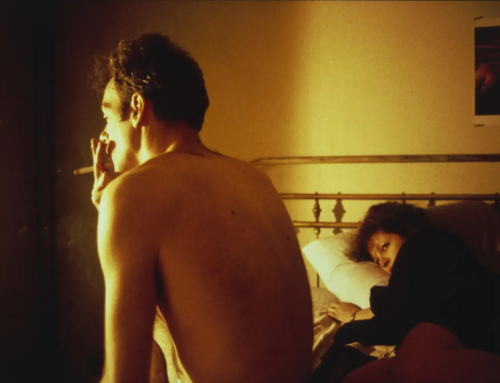
Copper Penny
The Grammar of the Body: Technical Approaches to Emotional Expression
Capturing emotion is an act of translation, converting an internal feeling into a visual language. This requires a mastery of several key elements.
Body Language: The Kinesic Narrative
Every gesture and posture tells a story. The body’s position in space is a primary tool for conveying psychological states. A closed, contracted posture can suggest introspection or defense, echoing Martha Graham’s dance principle of “contraction.” Conversely, an open, expansive posture can communicate extroversion and confidence. The tension in the musculature is also a critical indicator, signaling everything from anxiety to complete relaxation. Even subtle gestures of the hands can radically alter an image’s emotional tone, transforming it from one of placidity to one of anguish.
Practical Technique: Guide the model through an “Emotional Posing Series.” Rather than directing them into static poses, ask them to physically embody a sequence of emotions—such as moving from sorrow to anger to acceptance—and photograph the transitions. This often yields more authentic and dynamic results.

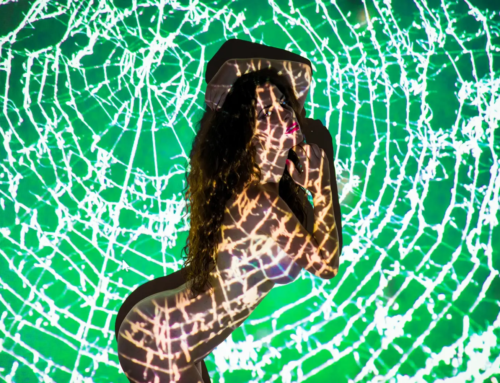
Curtains by Burak Bulut Yıldırım
The Face: Locus of the Soul
While nude photography emphasizes the entire form, the face remains a potent emotional center. The direction of the gaze is paramount; a direct look can create an intense, confrontational connection with the viewer, while an averted gaze suggests introspection or alienation. Capturing micro-expressions—the fleeting, involuntary cues that betray our true feelings—can imbue a portrait with immense psychological depth. Interestingly, obscuring or omitting the face can heighten the emotional impact, forcing the viewer to read the story entirely through the body’s language, making the entire form a canvas for expression.
Practical Technique: Create a series titled “The Gaze,” where the body remains in a relatively neutral pose, but the emotional narrative is driven entirely by the model’s eyes and subtle facial expressions.

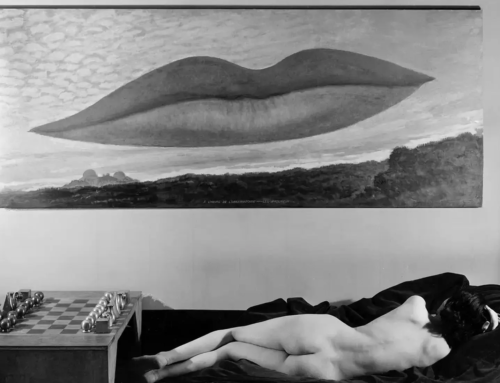
Paolo Roversi
Environment: The External Manifestation of Internal States
The setting of a photograph is not a passive backdrop; it is an active participant in the emotional narrative. A stark, brutalist architectural setting can amplify feelings of isolation or oppression. Conversely, a lush, natural landscape might evoke harmony, wildness, or peace. This concept, known as pathetic fallacy, where the environment reflects the subject’s internal state, is a powerful tool. Symbolic props can also be introduced to add layers of meaning, but they should be used with intention to avoid becoming clichés.
Practical Technique: Develop a series called “Emotional Environments.” Place a model in the same pose within starkly different settings—an industrial ruin, a dense forest, a minimalist room—to study how the context radically redefines the photograph’s emotional meaning.

Only You Are Close, When Everything Is Far Away by Burak Bulut Yıldırım
Crafting Atmosphere: The Emotional Language of Light and Color
Light and color are the foundational elements of photography, and they are primary vehicles for constructing mood.
Light as Mood
Your lighting strategy directly shapes the emotional reception of the image. The high-contrast interplay of light and shadow in chiaroscuro, famously used by painters like Caravaggio, creates intense drama and can suggest conflict or spiritual revelation. Soft, diffused light wraps around the form, minimizing harsh shadows and often creating a sense of gentleness, melancholy, or nostalgia. In contrast, hard, direct light produces sharp edges and deep shadows, which can convey strength, clinical observation, or an uncomfortable reality.
Practical Technique: For a single pose, create a “Lighting Spectrum” study. Photograph the subject with a hard key light, then with a softbox, then with only natural window light, and analyze how the mood shifts dramatically with each setup.

Davide Fiammenghi
The Psychology of Color
Color wields immense psychological power. Warm tones (reds, oranges, yellows) can evoke passion, energy, and comfort, but also anger or alarm. Cool tones (blues, greens, purples) often suggest calmness, introspection, and sadness, but can also feel alienating or distant. The decision to work in monochrome is a significant emotional choice. By removing the distraction of color, black and white photography forces the viewer to focus on form, texture, light, and the raw emotional content of the subject.
Practical Technique: In post-processing, create a “Color Grade” series. Take one image and produce multiple versions with different color grading—a warm vintage look, a cool cinematic tone, a high-contrast monochrome—to see how color fundamentally rewrites the emotional story.

Ursula van de Bunte
Conceptual Frameworks: Narrative and Allegory
Beyond single images, emotion can be structured through more complex conceptual approaches.
Storytelling Through a Series
A series of images can create an emotional arc or a sequential narrative. This allows for the exploration of an emotional journey over time—for instance, tracing a path from grief to healing. Alternatively, a thematic series can examine different facets of a single emotion, presenting a multifaceted and nuanced portrait of a complex feeling like “longing” or “defiance.”

April Alston McKay
Symbolism and Metaphor
The nude form can function as a powerful canvas for metaphor. The concept of the “body as landscape” treats the curves, lines, and textures of the skin as a terrain shaped by experience. In more allegorical work, nude figures can represent abstract concepts like “Justice,” “Truth,” or “Despair,” drawing on a long tradition in classical art. This approach elevates the image from a portrait of a person to a statement on the human condition.

Dress Code Light by Burak Bulut Yıldırım
The Collaborative Dyad: Ethics and Trust in the Studio
Authentic emotion cannot be forced; it must be cultivated within a space of psychological safety and trust. The relationship between the photographer and the subject is a collaborative dyad, not a simple hierarchy.
Building Emotional Trust
This process begins long before the camera is raised. Extensive pre-shoot discussions are essential to establish comfort, define boundaries, and align on the emotional goals of the project. During the shoot, the photographer’s role is often that of a guide, creating an environment where the subject feels safe enough to be emotionally open. This requires empathy, patience, and clear communication.
Ethical Imperatives
The ethics of emotional nude photography are paramount. Informed and enthusiastic consent is the absolute baseline, but true ethical practice goes further. It involves a constant awareness of the power dynamic in the studio and a commitment to protecting the subject’s emotional well-being. The line between capturing authentic emotion and exploiting it is fine but critical. The goal is always to honor the subject’s humanity, never to instrumentalize their vulnerability for the sake of a picture.
Artist Spotlights: Masters of Emotional Resonance
Analyzing the work of master photographers provides invaluable insight into the fusion of technique and emotional depth.
1. Francesca Woodman
Woodman’s haunting self-portraits are profound studies in existential angst and ephemeral identity. She frequently used slow shutter speeds to render her body as a ghostly blur, a visual metaphor for her feelings of disappearance and psychological disintegration. Her placement of herself in decaying, derelict interiors further amplifies these themes, making the environment an extension of her fragile inner state. Her work is a masterclass in using the body and its context to explore the most intimate corners of the psyche.

Francesca Woodman
2. Sally Mann
Mann’s series Immediate Family is a complex and often controversial examination of childhood, memory, and the transience of life. By photographing her own children, she achieved an unparalleled level of intimacy. Her use of the large-format, wet-collodion process is technically and conceptually brilliant; the process’s inherent flaws—scratches, dust, and imperfections—serve as a powerful metaphor for the fallibility and organic nature of memory itself. Her images are imbued with a raw, unsettling beauty that speaks to the complex emotional fabric of family life.

Sally Mann
3. Robert Mapplethorpe
Mapplethorpe is known for his exquisitely controlled and classicizing approach to the nude. His work creates a fascinating tension by rendering often provocative or marginalized subjects with the formal perfection and reverence of a classical Greek sculpture. This meticulous formalism, far from being cold, generates a powerful emotional response. It elevates his subjects, demanding that the viewer confront their own preconceptions about beauty, desire, and identity. His images explore power and vulnerability simultaneously, finding profound sensitivity within immense physical strength.

Robert Mapplethorpe
Conclusion: The Empathetic Gaze
Emotion is the vital current that transforms a nude photograph from a study of form into a profound statement about the human condition. It is the bridge between the artist, the subject, and the viewer. By mastering the technical grammar of the body, light, and composition, and by approaching the work with empathy and ethical integrity, a photographer can create images that do more than just depict the human body—they can reveal the soul.
The ultimate goal is to create work that resonates on a visceral level, inviting viewers to find a piece of their own experience reflected in the image. It is through this shared emotional connection that nude art photography achieves its highest purpose.
The Artist’s Perspective: To explore these concepts in a practical setting, consider the workshops led by award-winning nude art photographer Burak Bulut Yıldırım. With nearly two decades of experience and exhibitions across Europe, Yıldırım’s teaching emphasizes the critical synthesis of technical skill and emotional authenticity.
Limited edition works by Burak Bulut Yıldırım are available for collectors on respected platforms such as Saatchi Art and Artsper. You can also explore his portfolio of contemporary nude art projects at burakbulut.org.
To learn more about capturing genuine emotion in your photography or to join a workshop that delves into these techniques, connect with us on Instagram or email hello@nudeartworkshops.com.