

Beyond the Western Gaze: Global Perspectives in Nude Art Photography
For much of its history, the story of nude art photography was told from a predominantly European and North American perspective, creating a canon that implicitly defined the "ideal" body through a Western lens. However, the 21st century, fueled by globalization and post-colonial thought, has seen a powerful shift. This is not only about adding new faces to an old tradition; it is about fundamentally decolonizing the gaze. Artists from around the world are now using the nude, a quintessentially Western art historical subject, to explore their own unique cultural identities, challenge stereotypes, and subvert the historical dominance of that gaze. This article explores some of these vital international voices who are redefining the genre on their own terms.
I write this from a practice formed between Istanbul and Berlin, and from the position of a photographer and curator who teaches the politics of looking as part of image-making. The Nude Art Workshops treat cultural context as working material, not an exotic layer added after the photograph has been made.
The Western gaze is not simply a style; it is a distribution of authority. It decides whose body becomes an ideal, whose becomes evidence, whose becomes exotic and whose is allowed to look back. Decolonising the nude begins when that authority is interrupted.
The Problem with Calling Art “Global”
“Global” is useful shorthand, but it can become another Western sorting system: one centre, many colourful margins. The artists below refuse that arrangement. Migration, exile and diaspora mean that Rotimi Fani-Kayode or Sunil Gupta cannot be contained by birthplace, while Japan, India, Nigeria or Iran do not produce a single national gaze. Geography matters here because power travels through it, not because identity stays obediently inside borders.
A decolonial reading asks more specific questions. Who commissioned the image? Who controls its circulation? Which visual conventions are inherited from ethnography, fashion, religion or family archives? How does the subject name themselves? The answers may unsettle the easy division between observer and observed.
Asian Perspectives
Nobuyoshi Araki (1940–present), Japan
Nobuyoshi Araki
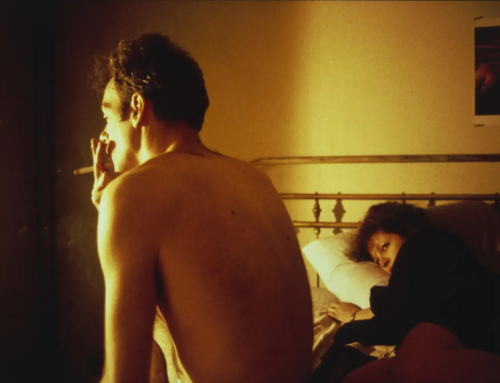
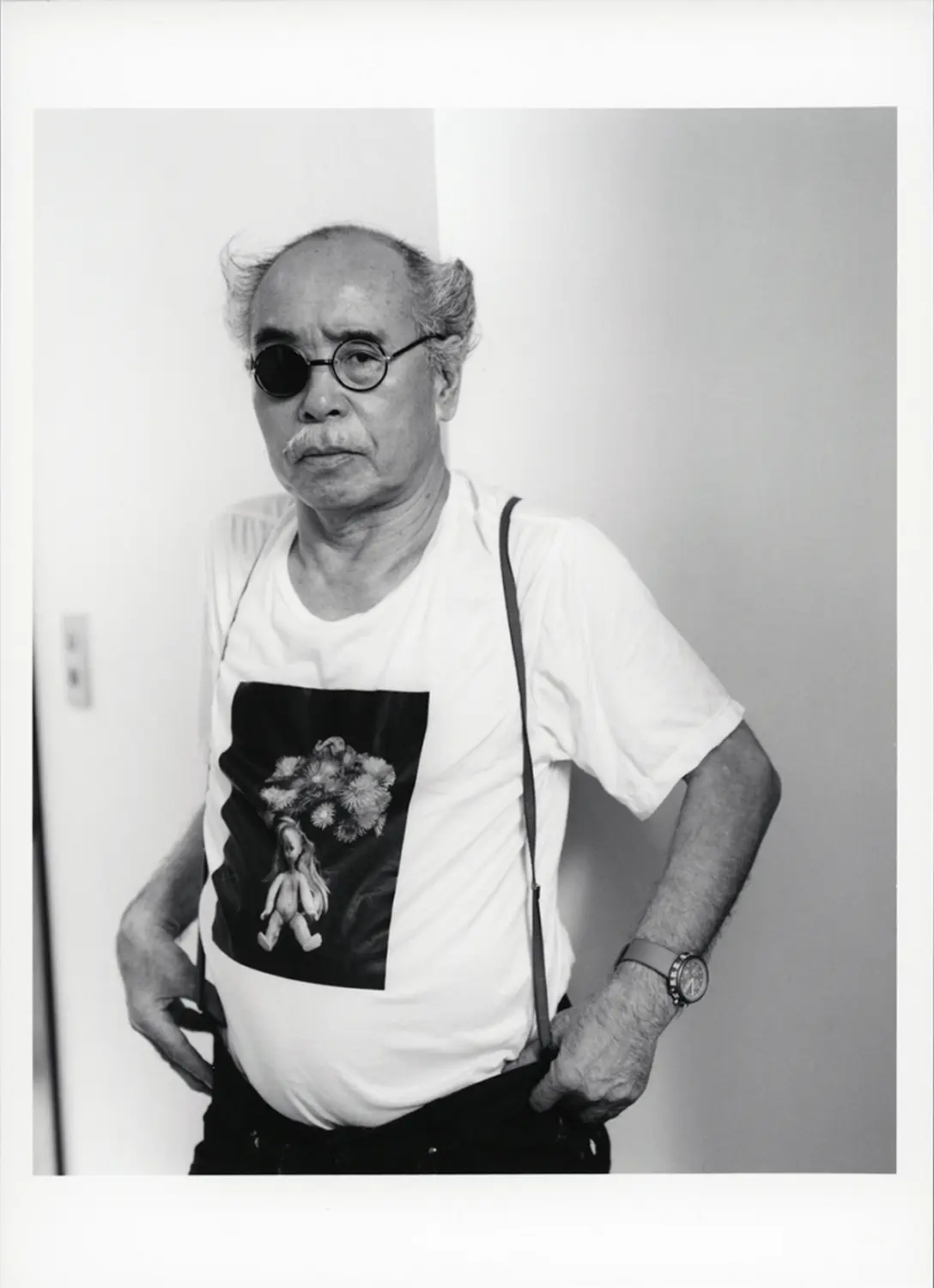
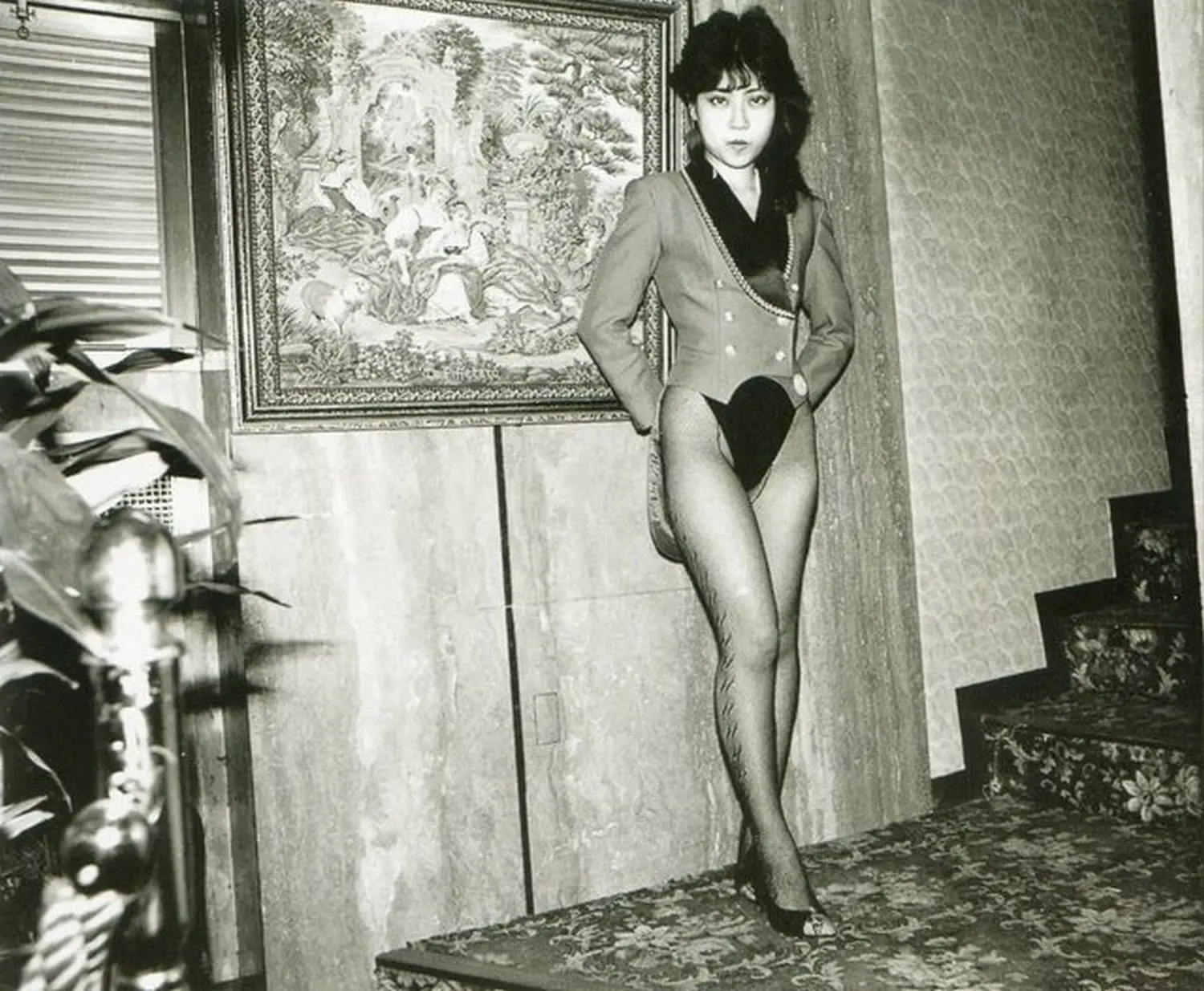
One of Japan's most prolific and controversial photographers, Araki’s work is intensely personal and provocative. He is known for his diaristic "I-Photography" (shishashin), a philosophy that treats his own life, his desires, his grief, his city, as his primary subject. This approach gives his photos a raw, immediate, and sometimes uncomfortable intimacy. His nudes often incorporate elements of kinbaku (Japanese artistic bondage), exploring the complex interplay of power, eroticism, and mortality. His work has faced criticism for its depiction of women, sparking important debates about misogyny and artistic responsibility.
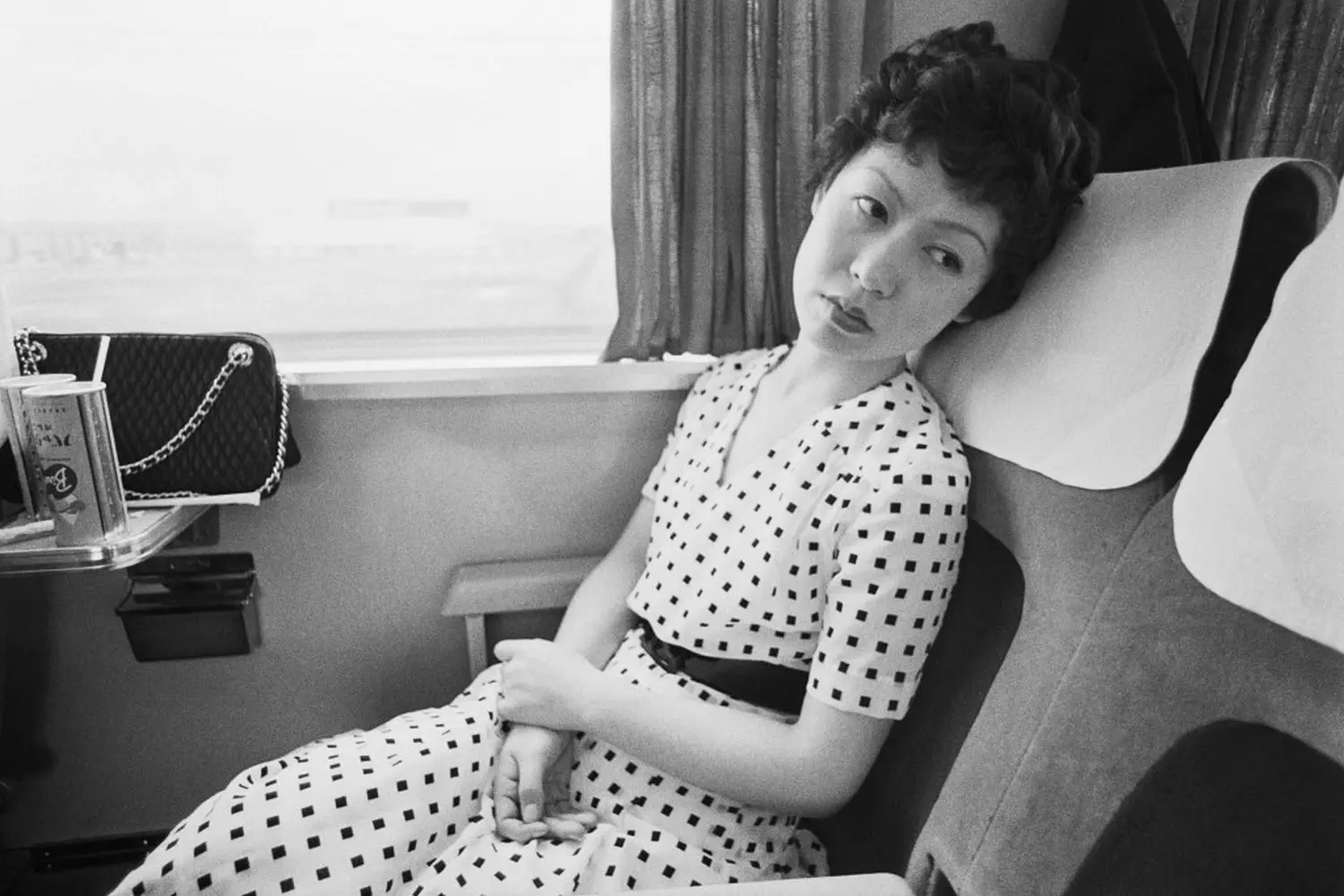
- "Sentimental Journey" (1971): An intimate photo diary of Araki's honeymoon, including candid nudes of his wife, Yoko, which broke conventions by blending personal life with public art.
- "Tokyo Lucky Hole" (1983-1985): A raw documentation of Tokyo's sex industry, recording a commercial sexual world with directness while leaving difficult questions about consent, authorship and judgement unresolved.
Nobuyoshi Araki
The move from private diary to public documentation radically changes the moral charge. Intimacy with a spouse and access to workers in a commercial sexual setting are not equivalent forms of permission. Araki’s importance lies partly in this discomfort: his work forces the history of nude photography to admit that artistic intimacy can be tender, exploitative and culturally decisive at the same time.
Nobuyoshi Araki
The ethical debate around Araki cannot be solved by describing provocation as neutrality. His diaristic method gives intimacy an authorial force, but it also concentrates control in the photographer. When you read these pictures now, authorship, consent and the conditions of publication belong inside the interpretation. The photographer–model power dynamic provides a practical framework for that reading.
Ren Hang (1987–2017), China
Ren Hang
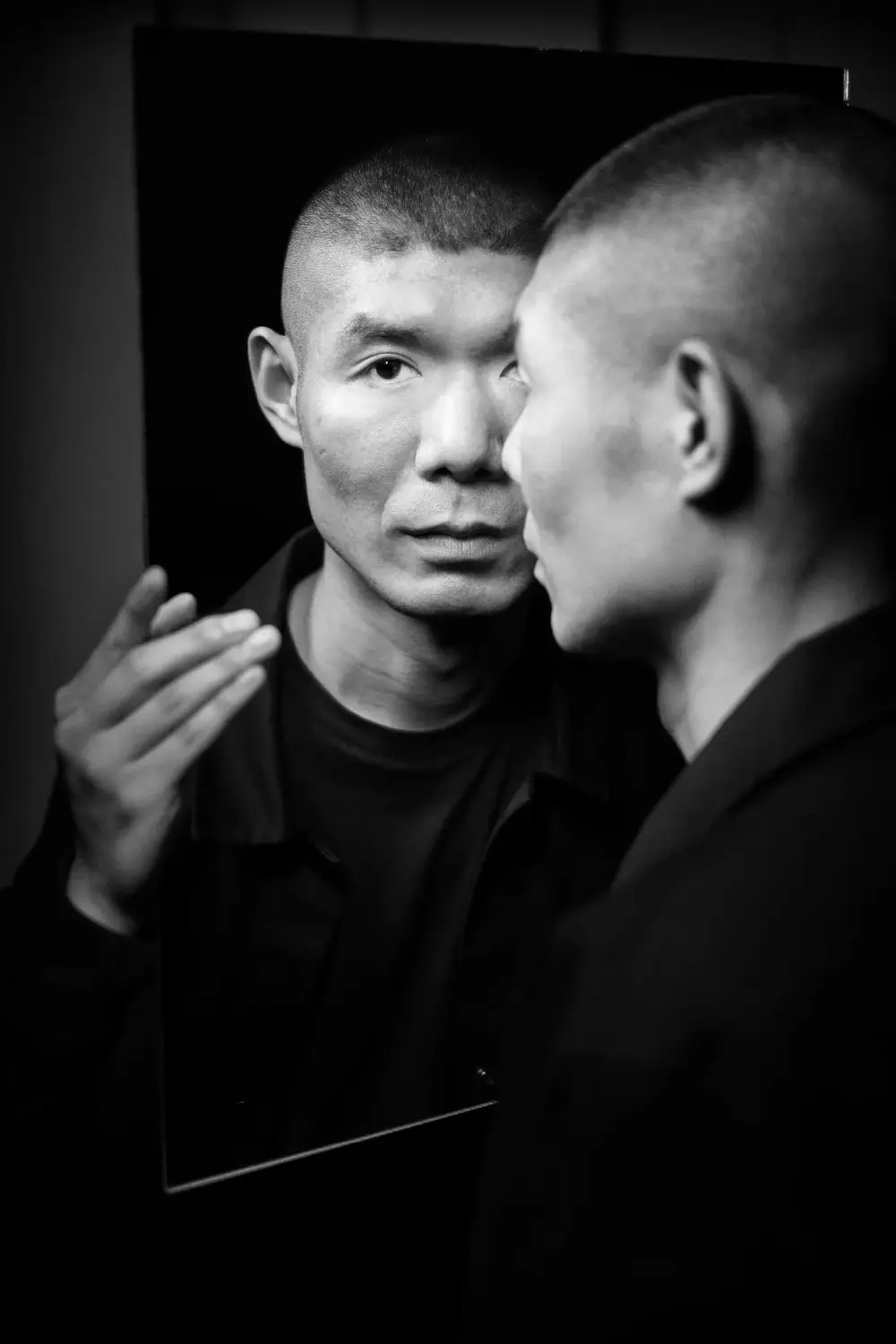
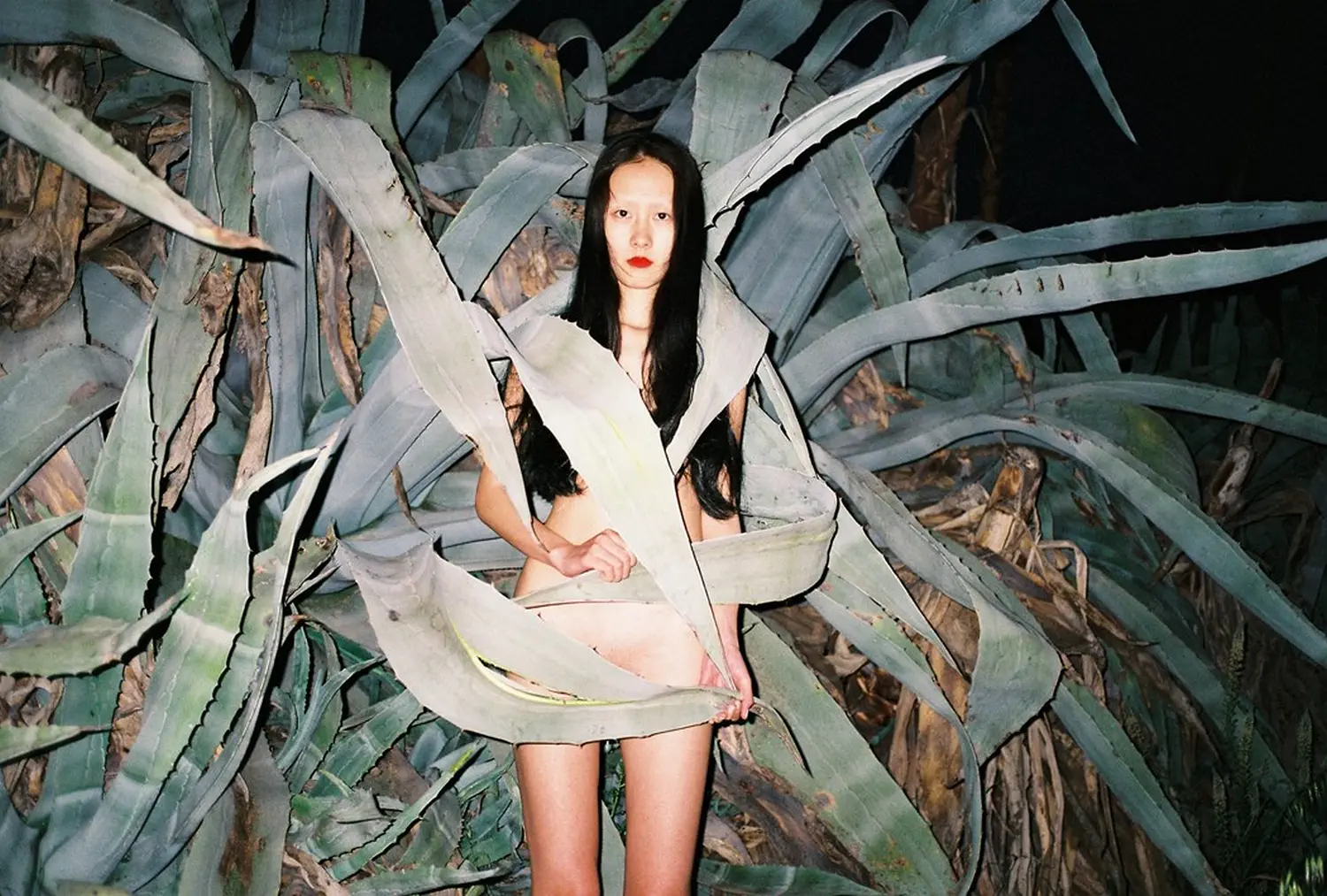
Though his career was tragically short, Ren Hang’s bold and colorful images were an act of rebellion. Working against a backdrop of state censorship in China, his work became a symbol of creative freedom for a new generation. His photographs often feature nude bodies, friends, not professional models, contorted into strange, sculptural poses against stark urban or natural landscapes. The use of saturated, primary colors and playful absurdity creates a visual language that is both joyful and alienating, a direct expression of youthful defiance in a restrictive society. As his work was often censored, he became a distinctly digital-age artist, using platforms like Flickr to share his vision with an international audience.
Ren Hang
Ren repeatedly rejected grand political explanations of his pictures, yet censorship made their circulation political regardless of intention. Their compact flash, primary colour and bodily arrangements create a visual language in which friendship, absurdity and state restriction occupy the same frame.
Daido Moriyama (1938–present), Japan
Daido Moriyama
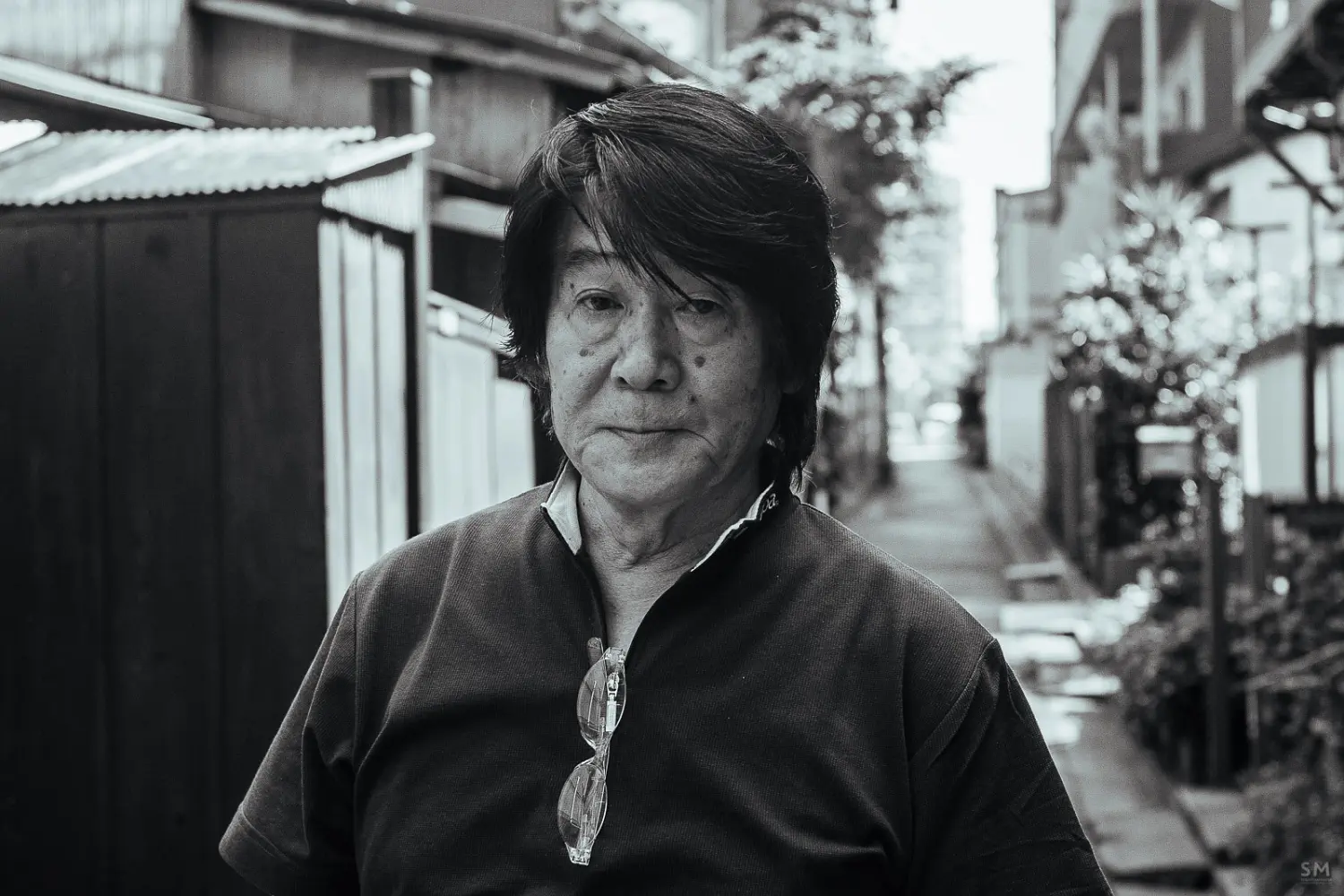
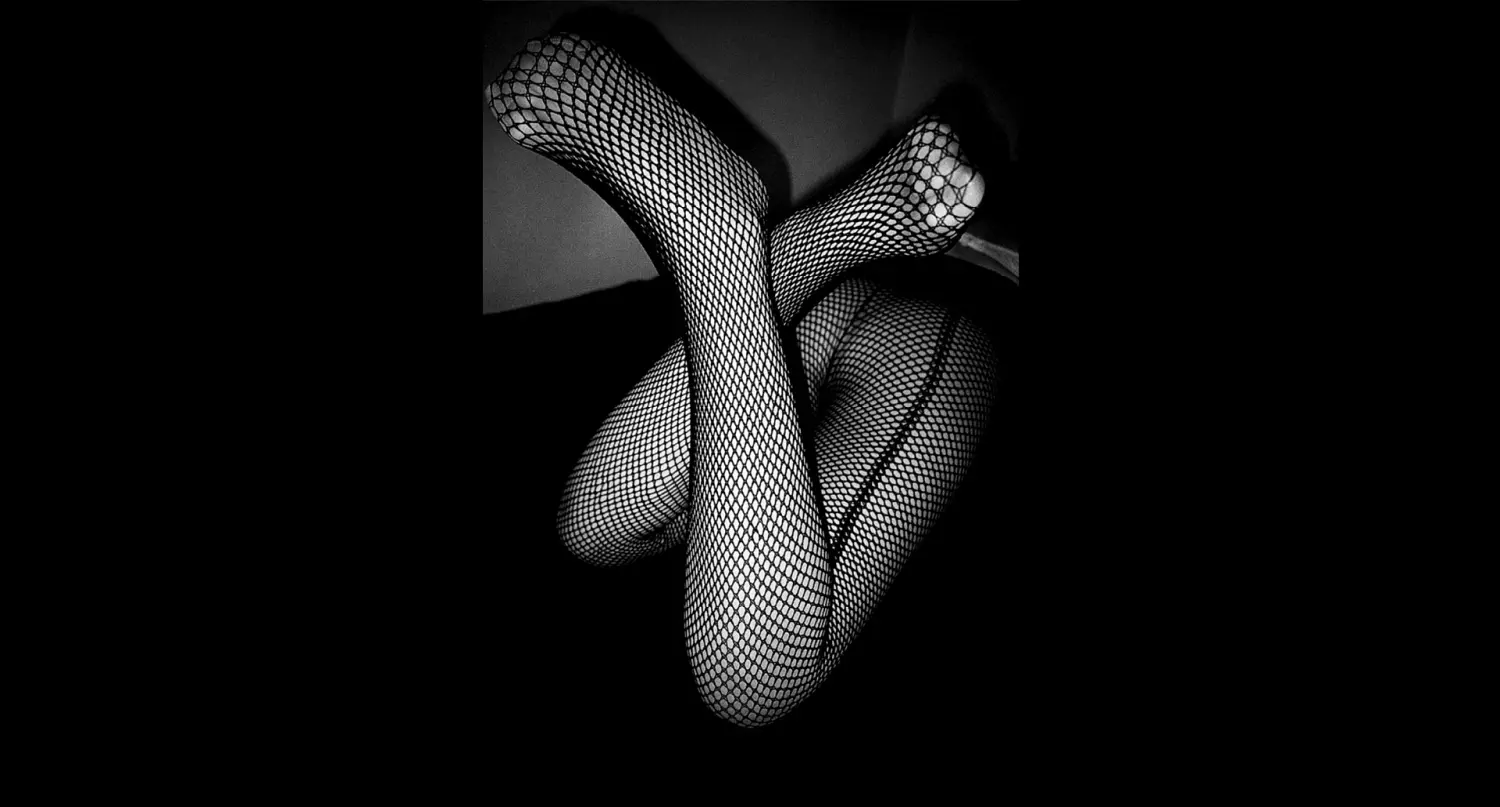
While not strictly a nude photographer, Moriyama’s signature "are, bure, boke" (rough, blurred, out-of-focus) style has profoundly influenced how the body is seen in Japanese photography. His aesthetic is a direct response to the social anxieties and rapid, chaotic modernization of post-war Japan. His gritty, high-contrast images fragment the body and its surroundings, dissolving figures into the urban texture and reflecting a world of fleeting encounters and lost identity.
- "Tights" series (1987): Famous close-up studies of legs in fishnet stockings, abstracting the female form into a grainy, graphic pattern that is both sensual and anonymous.
Daido Moriyama
South American Visions
Sebastião Salgado (1944–2025), Brazil
Sebastião Salgado
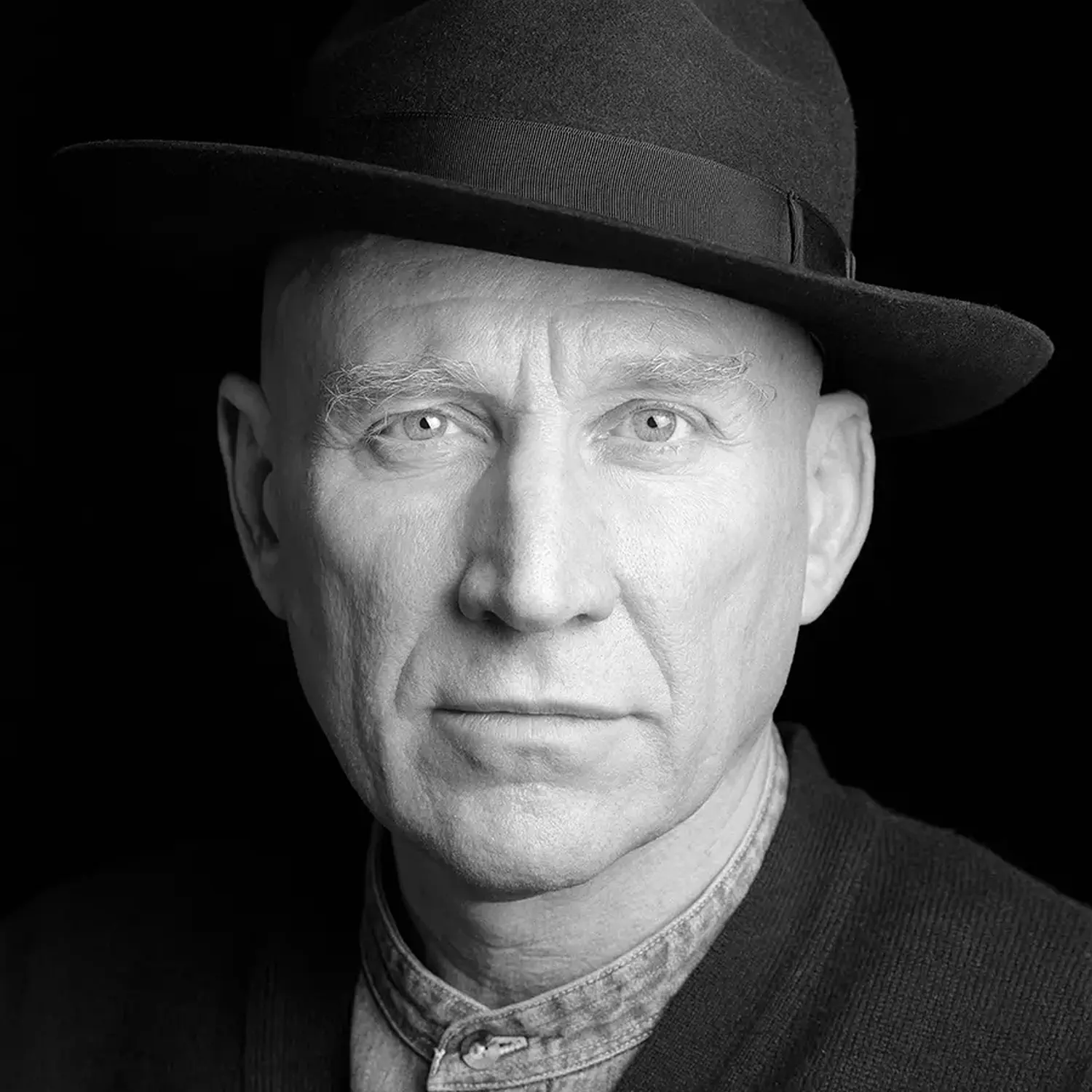
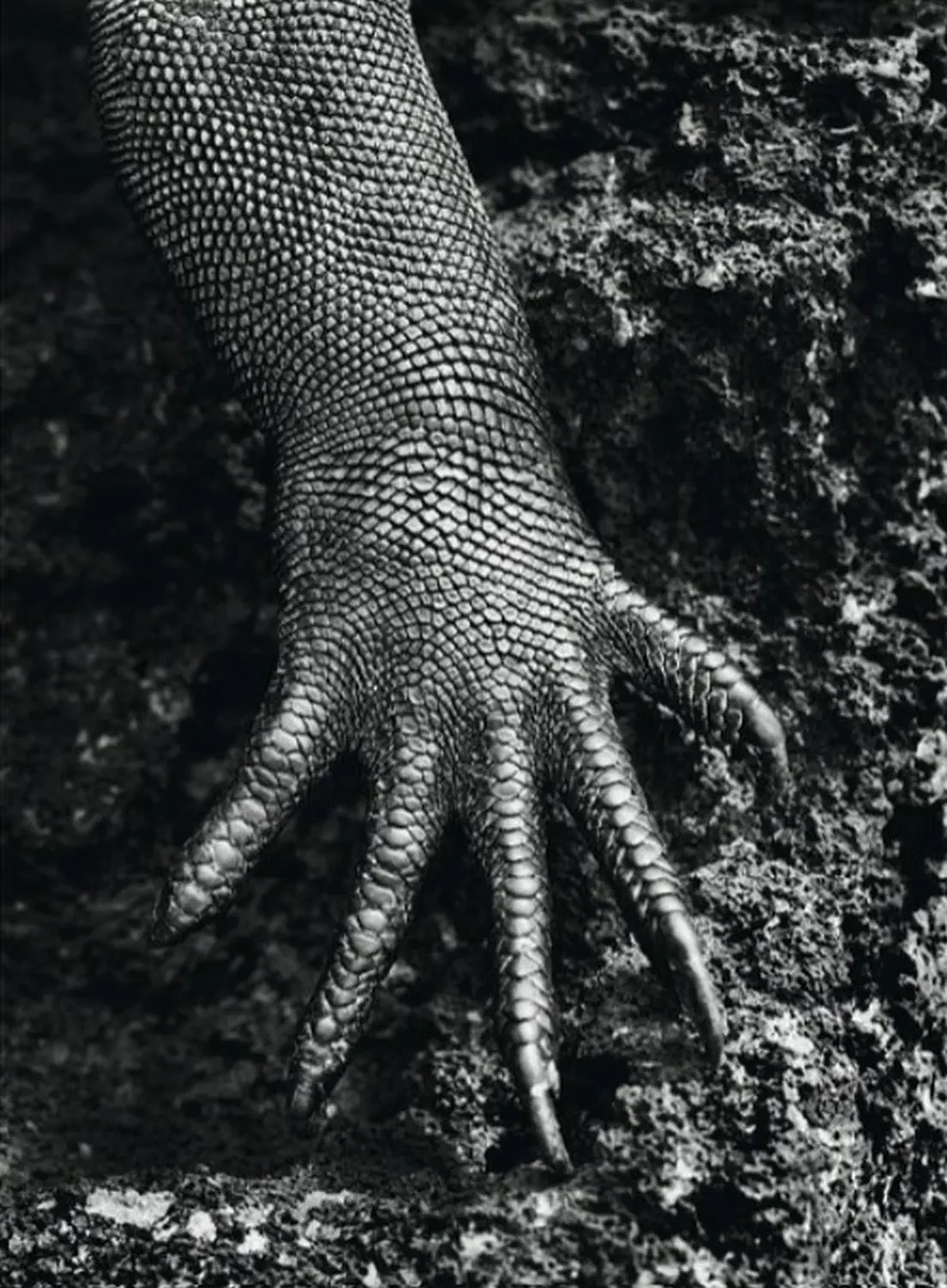
Known for his monumental social documentary projects, Salgado’s approach to the nude is rooted in anthropology and a profound respect for humanity. He uses a classical, almost biblical quality of light and rich black-and-white tones that give his subjects a monumental, timeless dignity. This technique is a conscious choice to develop them beyond ethnographic subjects into archetypal figures of humanity. His work subverts the "exotic" native trope by showing the nude body not as an object of desire, but as a symbol of our primordial connection to the earth.
- "Genesis" (2013): This epic project includes powerful nude portraits of the Zo'é people in the Amazon rainforest, presented with a deep sense of reverence and grace.
Sebastião Salgado
Flor Garduño (1957–present), Mexico
Flor Garduño
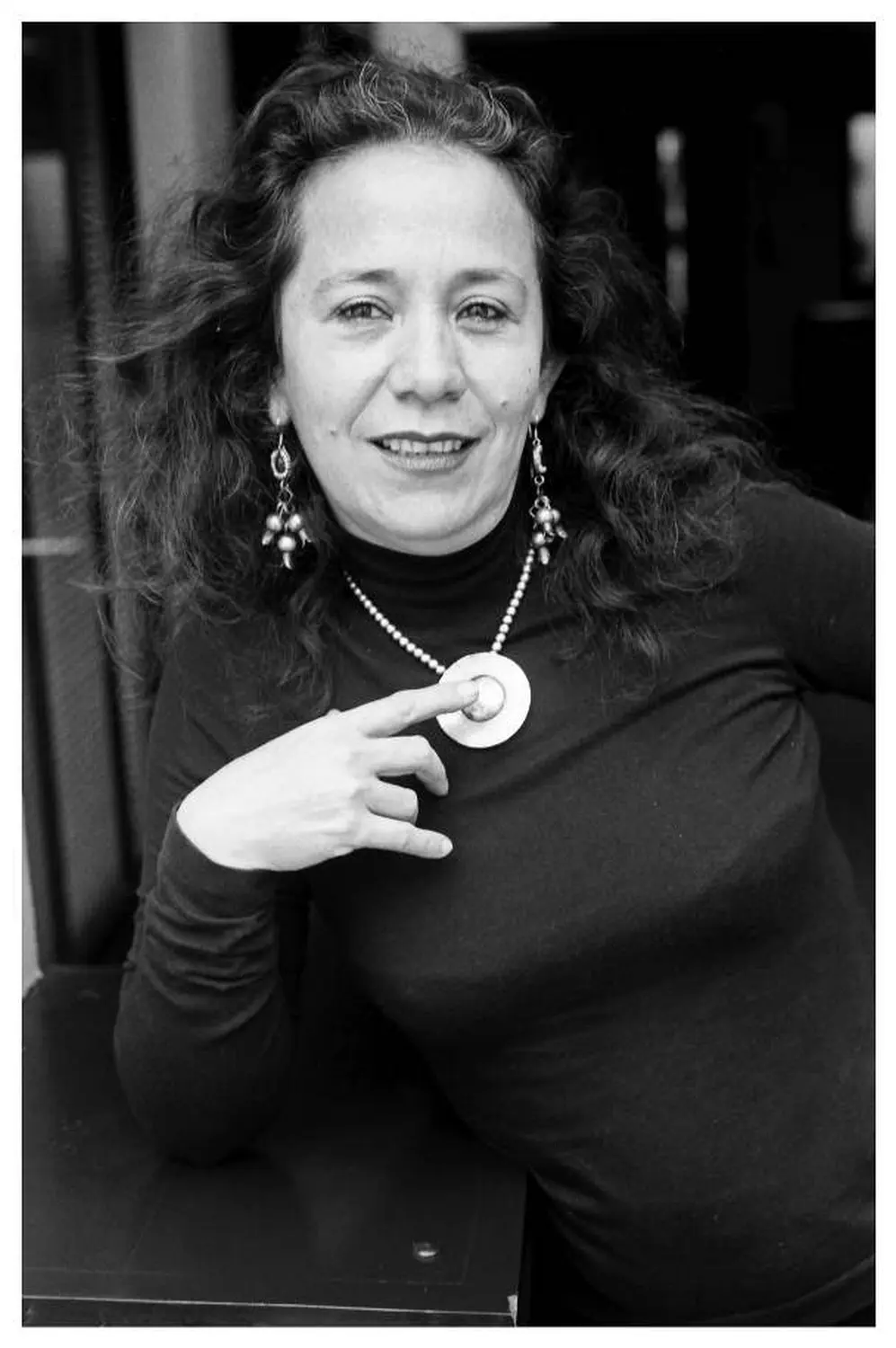
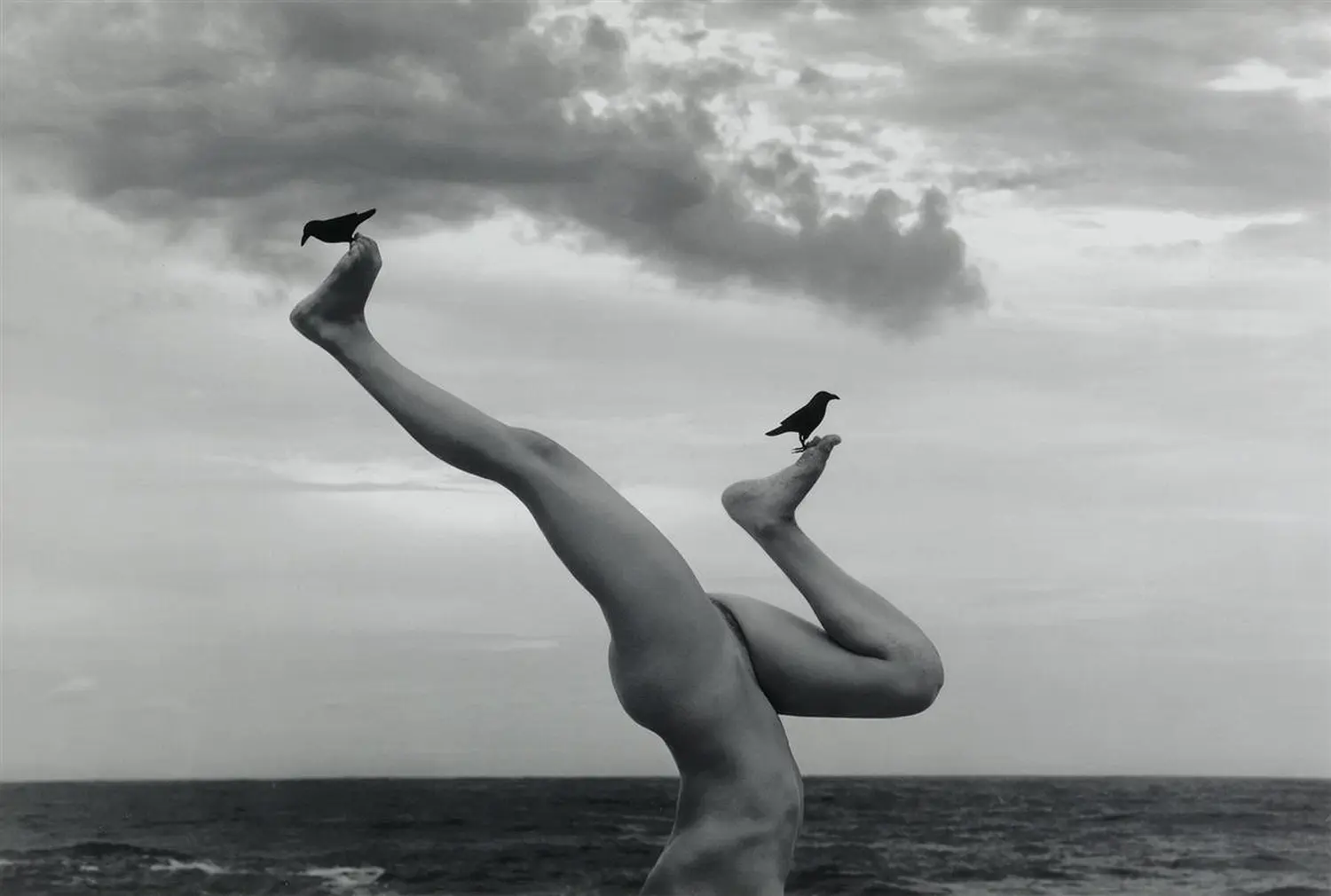
Flor Garduño’s black-and-white photographs are imbued with the spirit of magical realism, a visual parallel to the literature of Gabriel García Márquez. Her nudes are set in dreamlike scenarios, blending indigenous Mexican symbolism with a poetic visual language. A woman might hold an iguana like a royal scepter or be entwined with snakes, referencing pre-Columbian myths. Her work celebrates a uniquely feminine spirituality, deeply connected to nature and folklore.
- "Inner Light" (2002): A collection of nude studies that explore themes of femininity, nature, and spirituality through powerful symbolic imagery.
Flor Garduño
African Perspectives
Rotimi Fani-Kayode (1955–1989), Nigeria/UK
Rotimi Fani-Kayode
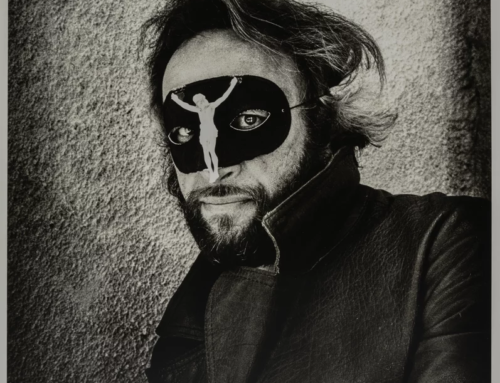
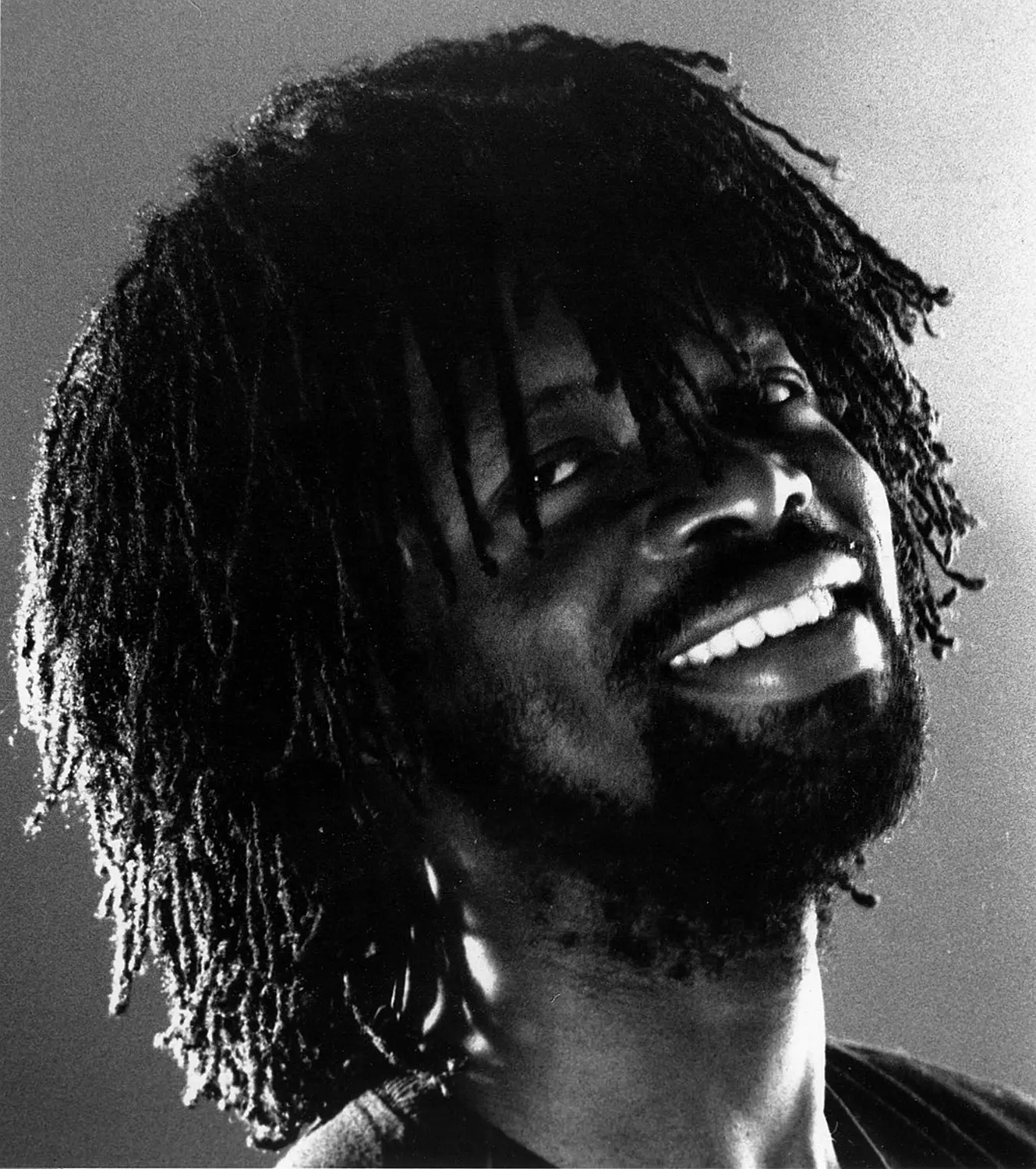
Though based in the UK, Fani-Kayode's work was a potent exploration of his "hybrid identity." He created carefully staged nudes that are rich with symbolism, often incorporating masks, body paint, and ritual objects from his Yoruba heritage into a Western fine-art framework. This fusion was a deliberate act to challenge Western representations of the Black male body and to explore the intersections of race, sexuality, and spirituality from his unique position between cultures.
Zanele Muholi (1972–present), South Africa

Zanele Muholi
Zanele Muholi identifies as a "visual activist." Their work is a direct confrontation of the lack of representation for Black LGBTQIA+ individuals in post-apartheid South Africa. In their acclaimed series "Somnyama Ngonyama" (Hail the Dark Lioness), Muholi uses their own body to challenge the politics of race and gender. They often use everyday objects, scouring pads, clothespins, tires, to create elaborate costumes and headpieces, a powerful commentary on domestic labor and economic struggle. By intentionally increasing the contrast to darken their skin tone, Muholi performs a radical act of celebrating and exaggerating Blackness, directly confronting the history of the ethnographic gaze.
- "Somnyama Ngonyama" (2012-ongoing): A series of defiant self-portraits, some featuring nudity, that serve as an act of self-representation and political resistance.

Zanele Muholi
Fine-Art Nude Photography Workshops · Since 2012
Join the Workshop List
Nude Art Workshops is a small-group programme founded by photographer and educator Burak Bulut Yıldırım. We run concept-led sessions with professional model collaborators and a maximum of six photographers.
Join the list for new workshop dates, visiting models, new cities, and programme updates. Subscribers usually hear first.
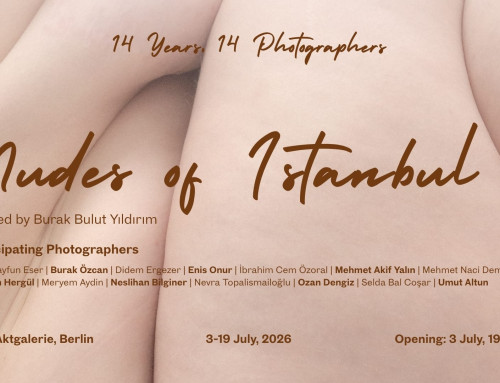
Fourteen years of workshops grew into an exhibition and a hardcover book. The book is now held by the V&A National Art Library in London, Istanbul Modern, the German National Library, and private collectors.
Curious about the project? Discover The Nudes of Istanbul →
Maximum six photographers per session · No weekly sales emails · Instagram: @nudeartworkshops
Indian Subcontinent
Prabuddha Dasgupta (1956–2012), India
Prabuddha Dasgupta
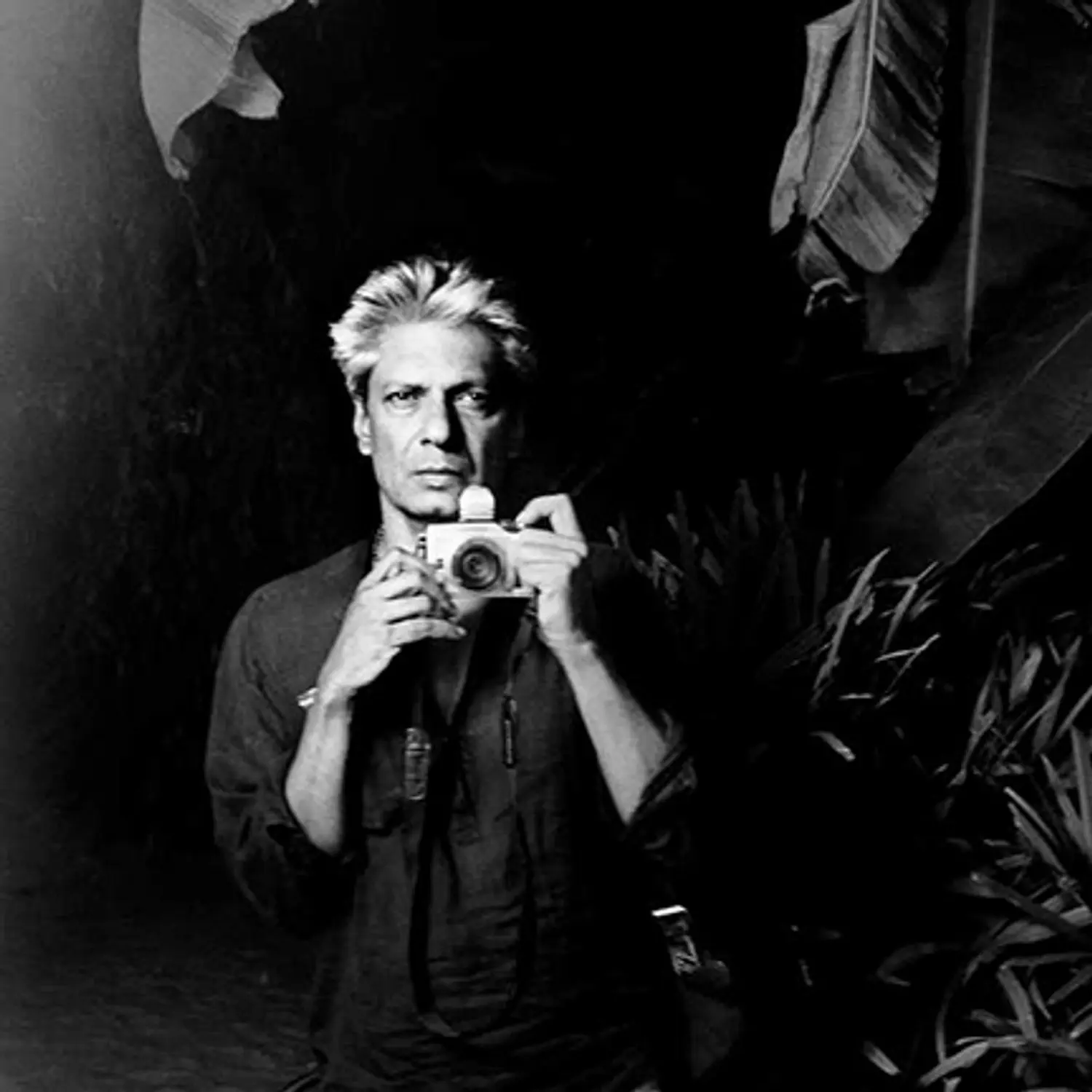
Prabuddha Dasgupta was a trailblazer for fine art nude photography in India, a country with complex cultural attitudes towards nudity. His elegant black-and-white nudes are characterized by their quiet, contemplative, and deeply personal quality. Rather than being provocative for shock value, his work focuses on intimacy and form within private, often starkly lit spaces. This gentle, personal exploration was itself a radical act in the public sphere of India, establishing a new, respected space for the art form.
- "Women" (1996): A landmark book of nude studies that bravely challenged taboos and sparked a conversation about fine art nudity in Indian society.
Sunil Gupta (1953–present), India/UK
Sunil Gupta
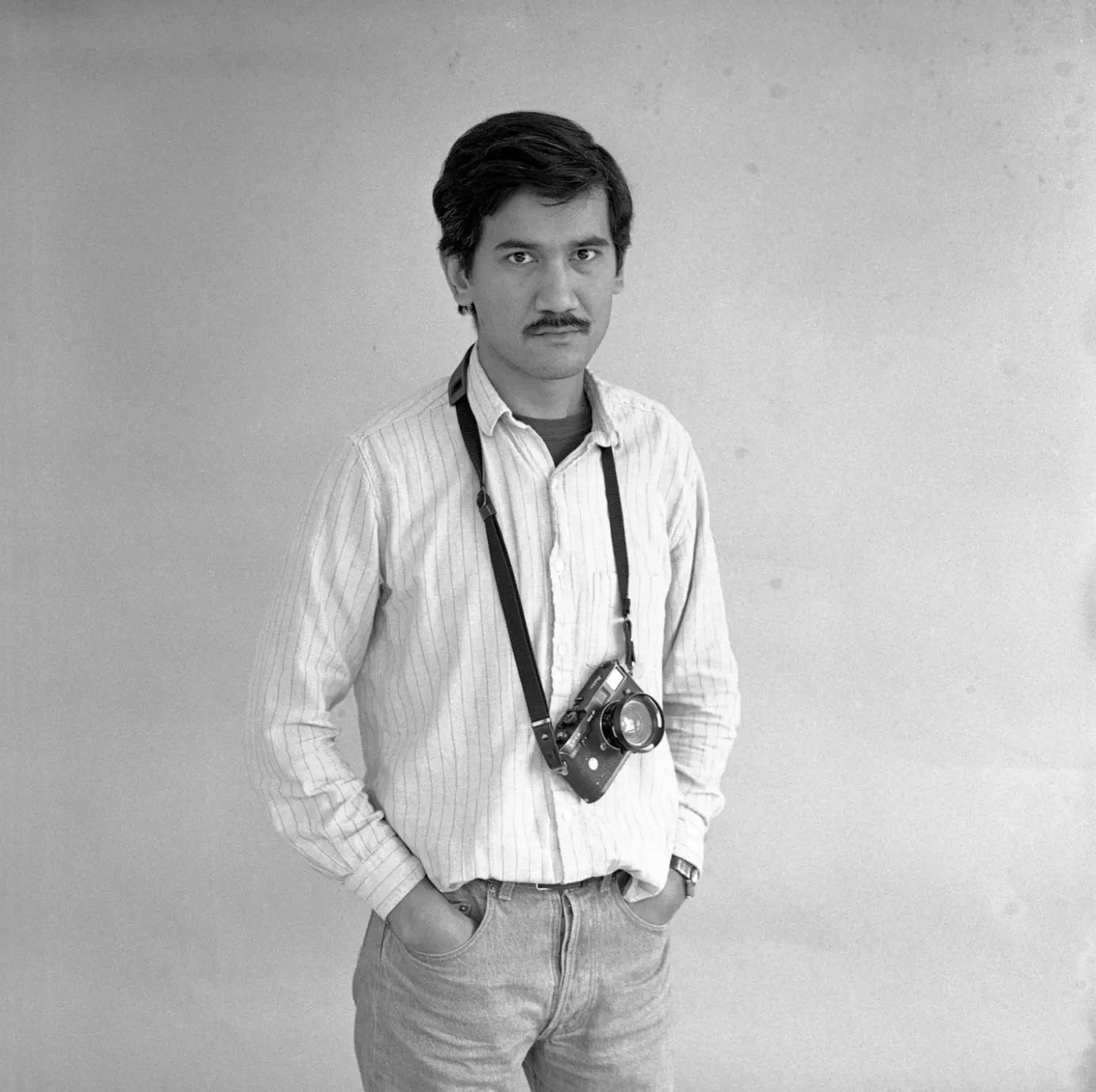
Sunil Gupta’s work has consistently explored themes of queer identity, race, and migration from a transnational perspective. His early "Christopher Street" series documented the freedom and hope of the gay liberation movement in New York, while his later work in India gave visibility to the hidden lives of gay men in a country where homosexuality was criminalized. For Gupta, the nude portrait is an act of political affirmation, a way of saying "we exist, we desire, we are here."
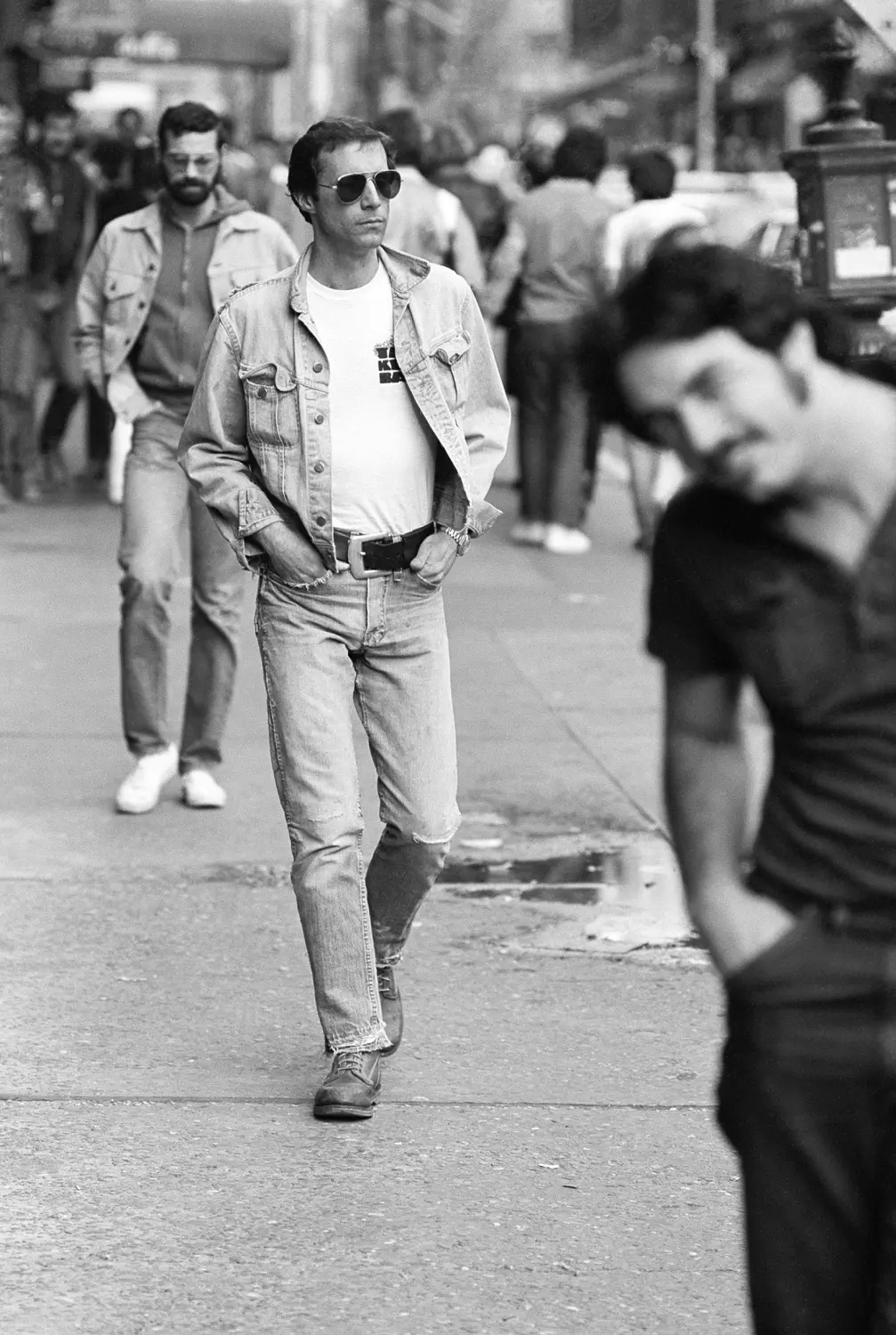
Sunil Gupta
Middle Eastern Voices
Youssef Nabil (1972–present), Egypt
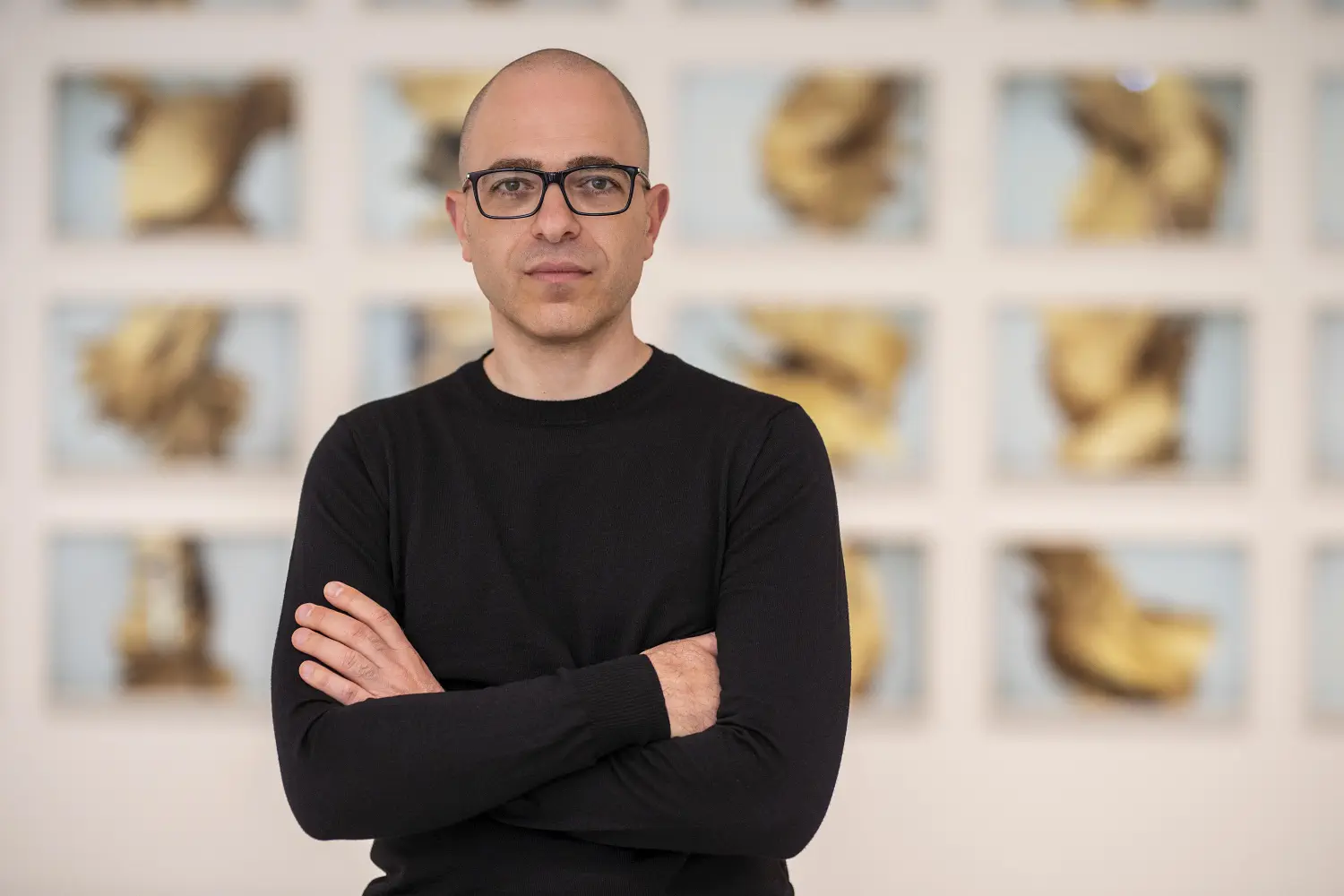
Youssef Nabil
Youssef Nabil’s signature style involves hand-coloring his black-and-white photographs, a technique that evokes the glamour of vintage Egyptian cinema. This process imbues his images with a dreamlike, nostalgic quality, as if viewing a faded memory. His nudes often explore themes of identity, exile, and a longing for a lost past, making the body a vessel for these melancholic feelings of beauty and displacement.
Shirin Neshat (1957–present), Iran/USA
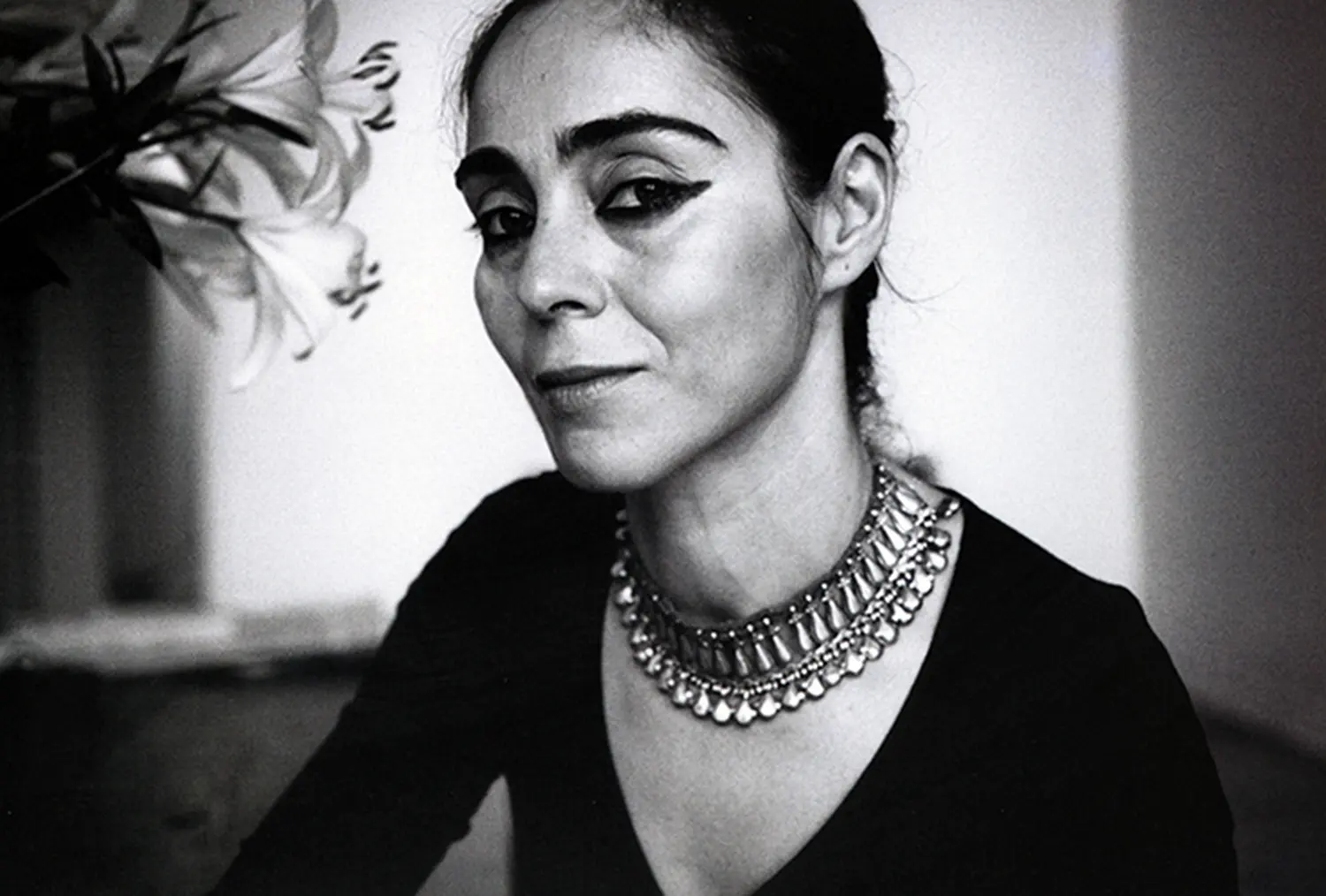
Shirin Neshat
Shirin Neshat’s work uses the body as a site for cultural and political text, directly challenging Western stereotypes of Muslim women. In her iconic "Women of Allah" series, she photographs veiled women, often holding guns, and covers the exposed areas of their skin, faces, hands, feet, with painstakingly applied Persian calligraphy. This text is often feminist poetry from Iranian writers. This creates a powerful tension: the Western viewer may see symbols of oppression, but the work itself speaks of intellectual power, female agency, and resistance.
- "Women of Allah" series (1993-1997): A landmark series that explores the complex identity of women during the Iranian Revolution.
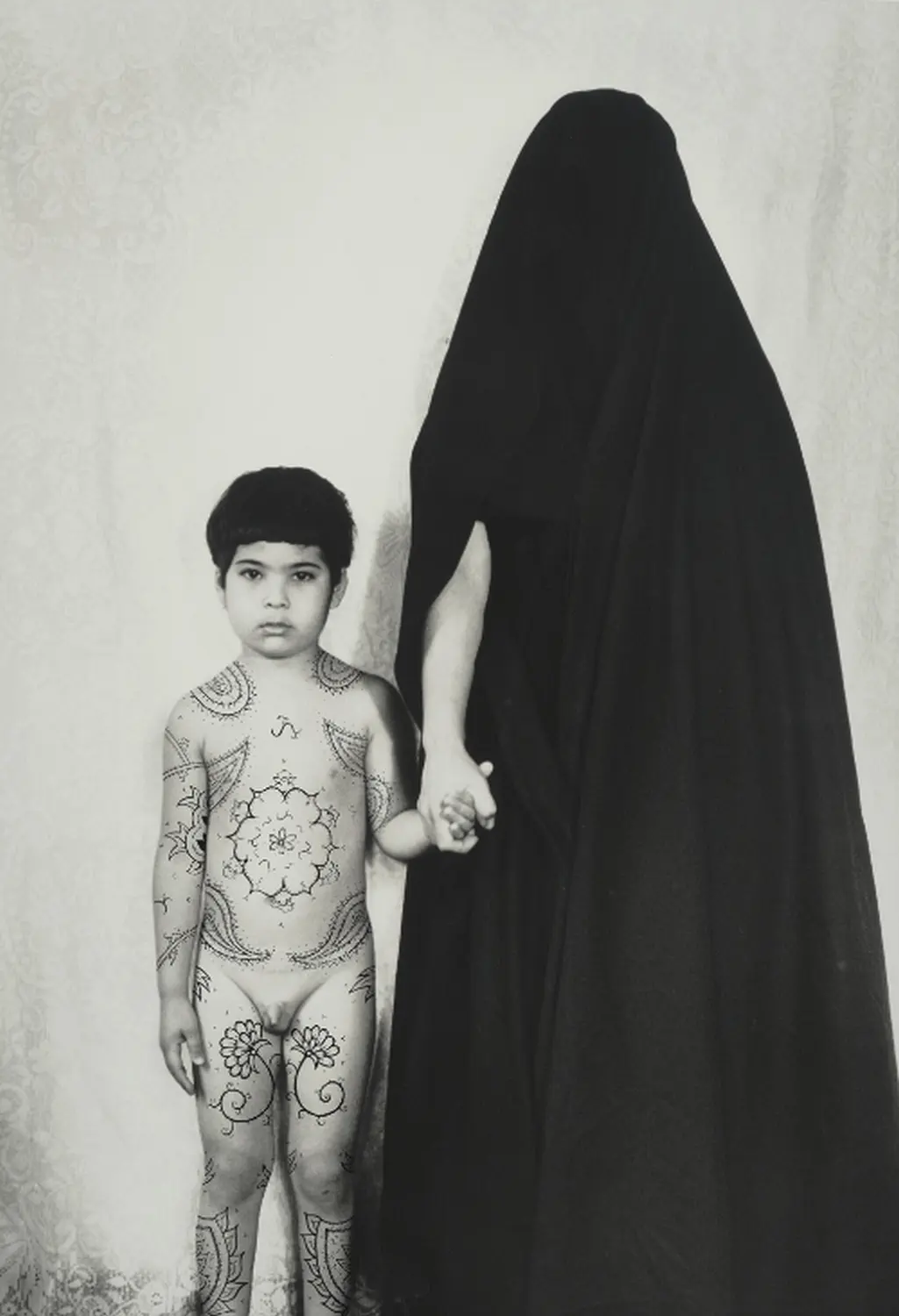
Shirin Neshat
A Working Method for Photographing Across Cultural Difference
Cultural references are not free props. Before building a moodboard, find out who has historically photographed the community, ritual or visual tradition you want to invoke, and what those images were used to justify. A textile, mask, scar pattern or religious gesture carries memory and ownership. Its unfamiliarity to your audience is not a licence to turn it into atmosphere.
During production, replace the vague phrase “cultural inspiration” with actual authorship. Decide with the subject what the reference means, how the work will be titled, where it may circulate, whether it may be sold and which contexts would betray it. Metadata is not clerical dust beneath the image; it determines whether the photograph enters the world as collaboration, fantasy or theft.
In my own cross-border work, I try to make the interpretive structure visible before directing the body. The model needs to know not only what the pose is, but what claim the final sequence intends to make. That discipline is especially important when a photographer works outside their own cultural experience. Related questions of authorship are traced through women photographers who moved the nude from object to author and through the contemporary era's debates over identity and representation.
Conclusion: The Nude as a Universal Language
The work of these global artists demonstrates a profound shift in nude art photography. They have taken a genre once dominated by a Western, often male, perspective and transformed it into a universal language for exploring local identities, confronting difficult histories, and asserting cultural pride. By infusing the nude with their own cultural symbols, political realities, and personal stories, they challenge us to see the human form not as a monolithic ideal, but as an infinitely varied and meaningful reflection of our shared, diverse humanity. Their collective work answers the questions, "Who gets to define beauty?" and "Who has the right to be seen?" with a powerful, resounding chorus from every corner of the globe.
The nude is a universal language precisely because it is never spoken with one accent. Bodies are shared human material, but every photograph carries race, gender, class, religion and history into the frame. The strongest artists here do not erase difference in the name of universality. They use difference to overthrow the fantasy that one culture owns the neutral point of view.
Questions photographers ask about the global gaze
What does decolonising the gaze mean in photography?
It means examining who has authority to represent whom, which visual conventions come from colonial or ethnographic systems, and how subjects participate in authorship, captioning and circulation.
Is using cultural symbolism always appropriation?
No single rule covers every case. The key questions concern permission, knowledge, power, commercial benefit and whether the image reduces a living practice to decoration. Collaboration does not remove responsibility, but it changes how responsibility can be shared.
Why include controversial photographers such as Araki?
Influence and ethical criticism can be studied together. Excluding controversy can produce a false history; celebrating influence without analysing power produces another false history.
How do workshops address cultural context?
Our Berlin and Istanbul workshop editions begin with a concept and its references before posing starts. Cultural meaning, form and model collaboration organise the session, while sexuality remains a secondary consideration.
These workshops are for photographers who want to examine how images carry culture, power and authorship. Each edition begins with references and a specific concept, then develops the image through form and collaboration rather than treating the nude as a universal blank surface.
Led by Burak Bulut Yıldırım, a Berlin-based photographer, contemporary artist, curator and educator practicing professionally since 2005. The nude art workshops have run for 14+ years across 50+ editions with 300+ participating photographers. His work has been exhibited in Berlin, Zurich, Barcelona, Rome, Thessaloniki and Heilbronn, and he curated Nudes of Istanbul at Die Akt Galerie Berlin in 2026, accompanied by a hardcover edition from Mijuk Papers Berlin.
See workshop dates and formats
Portfolio: burakbulut.org · Limited editions on Saatchi Art and Artsper · Contact: hello@nudeartworkshops.com