
The Body as a Battleground: Nude Photography in the Contemporary Era (1970s–Present)
From the 1970s onward, the nude stopped asking to be beautiful and started asking to be heard. Fueled by second-wave feminism, the LGBTQ+ rights movement, the AIDS crisis and the rise of identity politics, photographers turned the unclothed body into a contested site where the era's most urgent arguments, about gender, race, desire, sickness and power, were staged in skin. The period's defining trait is a radical widening of voices and bodies: who photographs, who is photographed, and what the photograph is allowed to claim. Its battles reached courtrooms, congressional debates and museum boards, and several of them are still running.
I photograph and teach the nude in Berlin, which makes this the era I answer to directly; more than one of the arguments below runs through my own studio week.
Robert Mapplethorpe (1946–1989): The Provocateur of the Culture Wars

Robert Mapplethorpe
No photographer has tested the American definition of art as publicly as Mapplethorpe. His retrospective "The Perfect Moment" detonated the culture wars: the Corcoran Gallery of Art canceled the show in Washington in 1989 under political pressure over its federally funded content, and when it reached Cincinnati's Contemporary Arts Center in 1990, the museum and its director Dennis Barrie were indicted on obscenity charges, the first prosecution of an American museum over an exhibition. The jury acquitted, and the verdict remains a load-bearing wall in the legal standing of provocative art. Mapplethorpe himself had died of AIDS-related illness in 1989, months before the arguments over his work reached their peak.
The Classical Body, the Queer Gaze
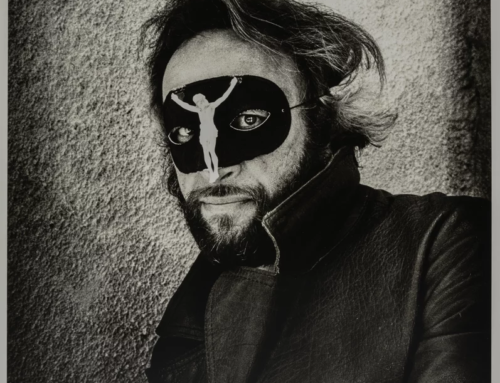
The explosive charge in his work came from a deliberate collision: the formal perfection of Renaissance sculpture applied to subject matter the mainstream had filed under unspeakable, above all his documentation of New York's BDSM subculture. He used the legitimizing grammar of high art to validate queer desire, and "Man in Polyester Suit" (1980) shows the confrontation at full voltage, its tight crop forcing questions about race, sexuality and the politics of the gaze that critics have been arguing about ever since.
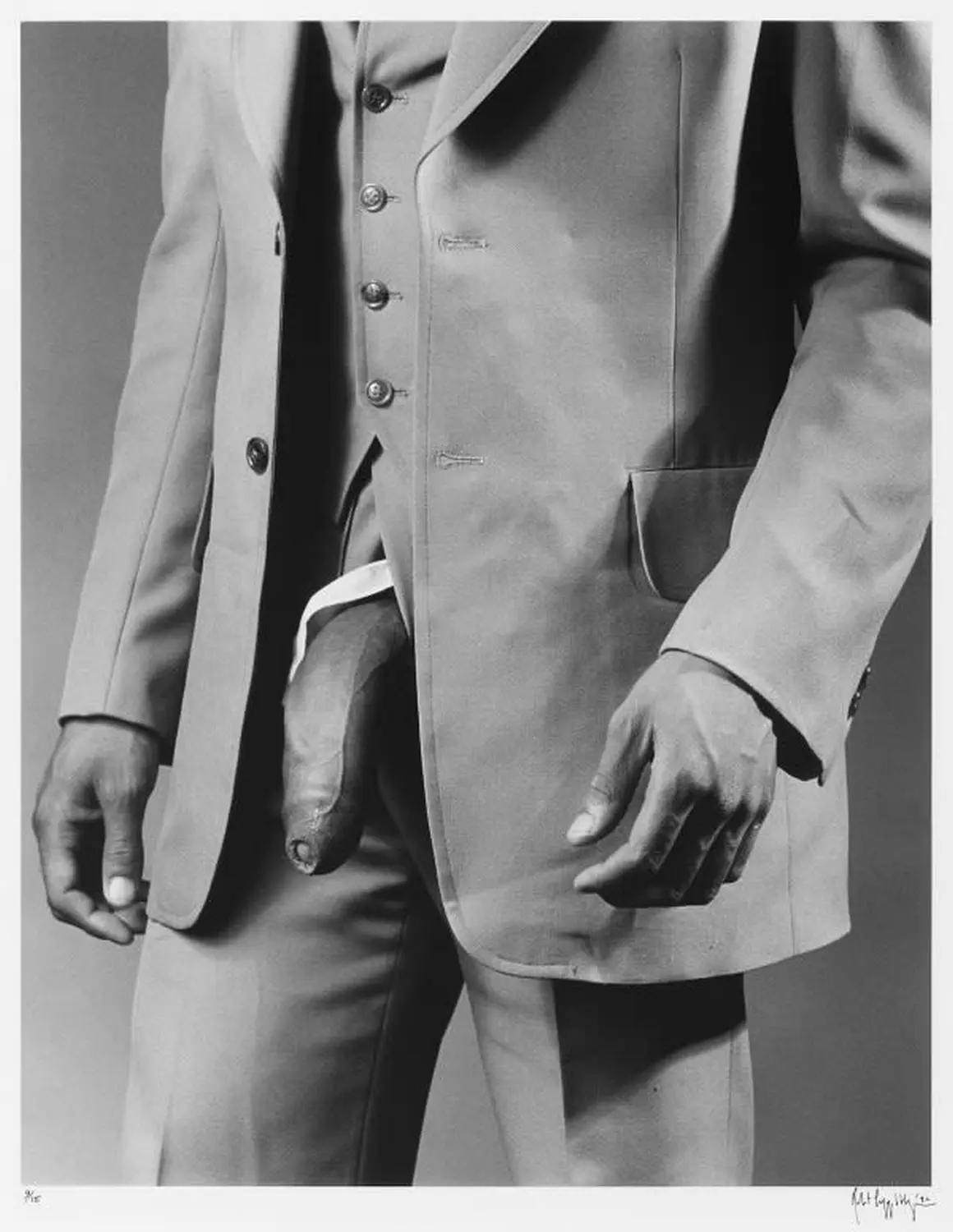
"Man in Polyester Suit" (1980) by Robert Mapplethorpe
Challenging Femininity: The Lisa Lyon Series
His collaboration with Lisa Lyon, winner of the first women's world bodybuilding championship in 1979, attacked a different convention. Photographing her muscular physique with the same classical reverence he gave his male nudes, and publishing the project as the 1983 book "Lady," Mapplethorpe presented a female strength that art history had no shelf for. The images forced the feminist question of the decade into visual form: who decided that power and femininity were opposites?
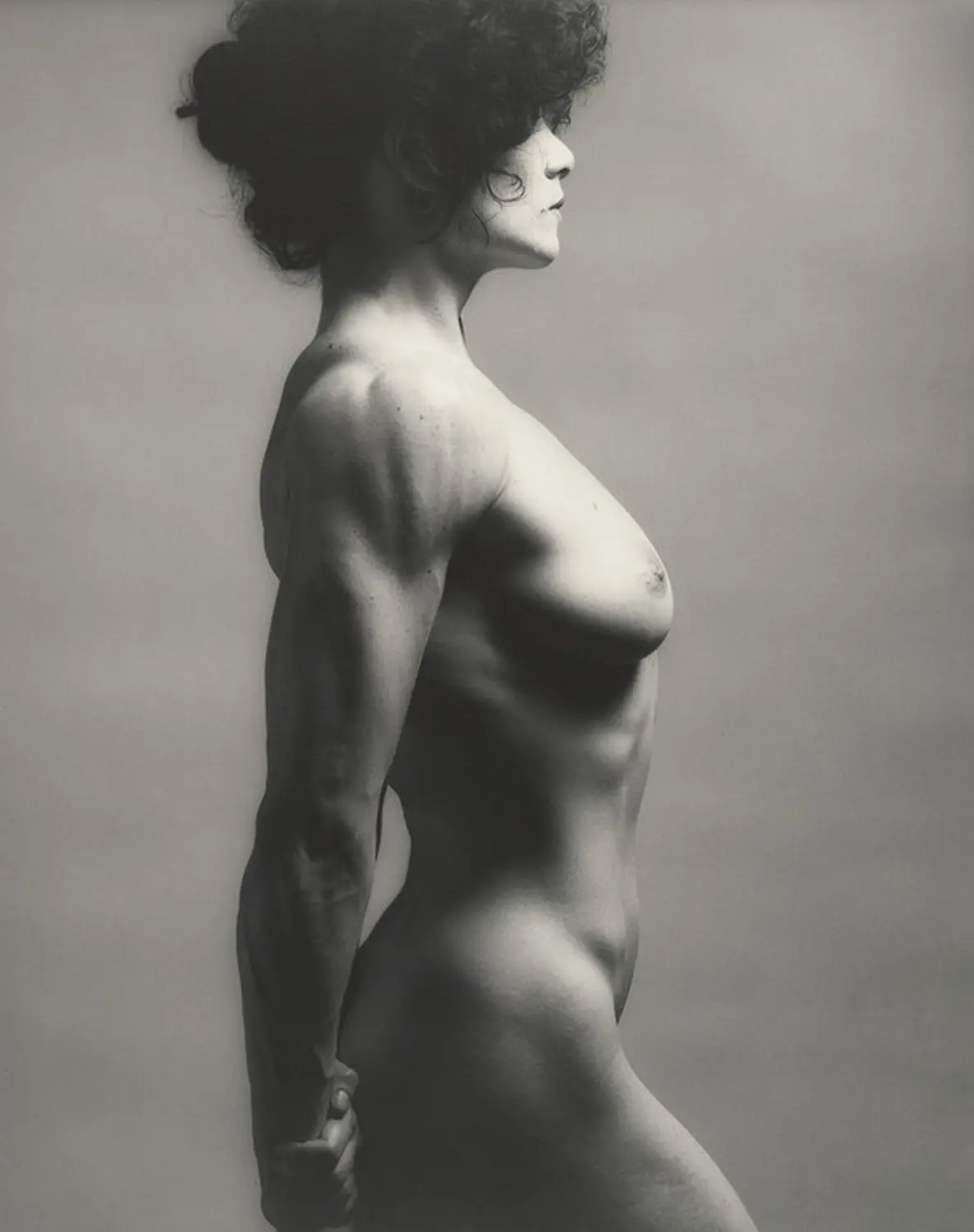
Lisa Lyon (1982) by Robert Mapplethorpe
Nan Goldin (1953–present): The Personal Is Political

Nan Goldin
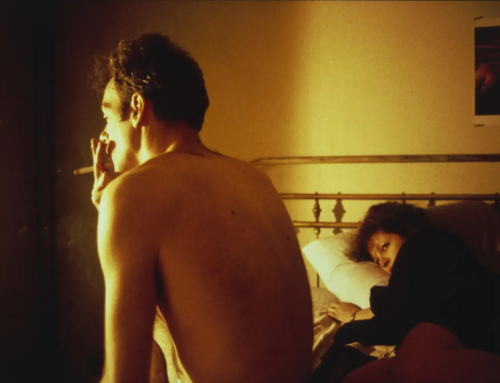
Where Mapplethorpe fought in the gallery's formal language, Goldin brought the battle into the bedroom. "The Ballad of Sexual Dependency" (1986) is a visual diary of her chosen family in the bohemian undergrounds of Boston, New York and Berlin: lovers, friends, drag queens, addicts, photographed in snapshot honesty through love, violence and loss. The nudity in the Ballad is never performance; it is simply how intimacy looks from inside, and as AIDS devastated the community it documents, the diary hardened into an irreplaceable archive of a generation. Goldin's fight did not end there: in 2017 she founded P.A.I.N. to hold the Sackler family accountable for the opioid crisis that nearly killed her, and her museum protests helped strip the Sackler name from institutions worldwide, a story told in "All the Beauty and the Bloodshed," which won the Golden Lion at Venice in 2022. Few careers argue as completely that the personal is political.

From "The Ballad of Sexual Dependency" by Nan Goldin
Sally Mann (1951–present): The Controversial Matriarch
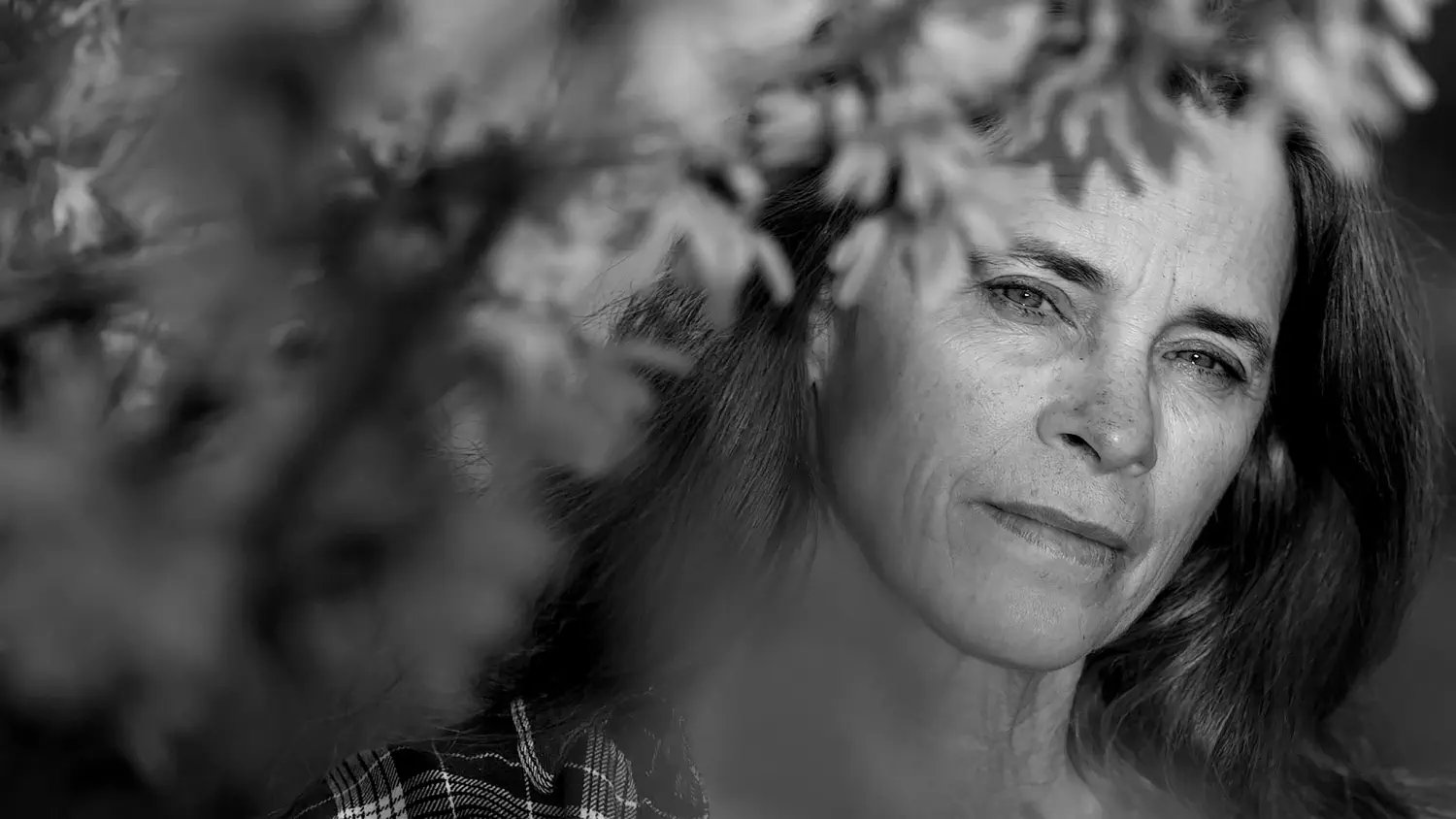
Sally Mann
Mann's wet-plate photographs of her family and the American South carry a painterly timelessness that their content refuses to settle into. "Immediate Family" (1984–1994), which included nudes of her young children on the family's Virginia farm, split the culture: an idyll of unsupervised childhood to some, an unsettling exposure to others, and a decade-long argument about maternal authorship, innocence and the viewer's own projections. Her later inversion of the gaze onto her husband's body in "Proud Flesh" is examined in our article on the women who redefined the nude; together the two series map how far a single unflinching eye can push the questions of family and flesh.
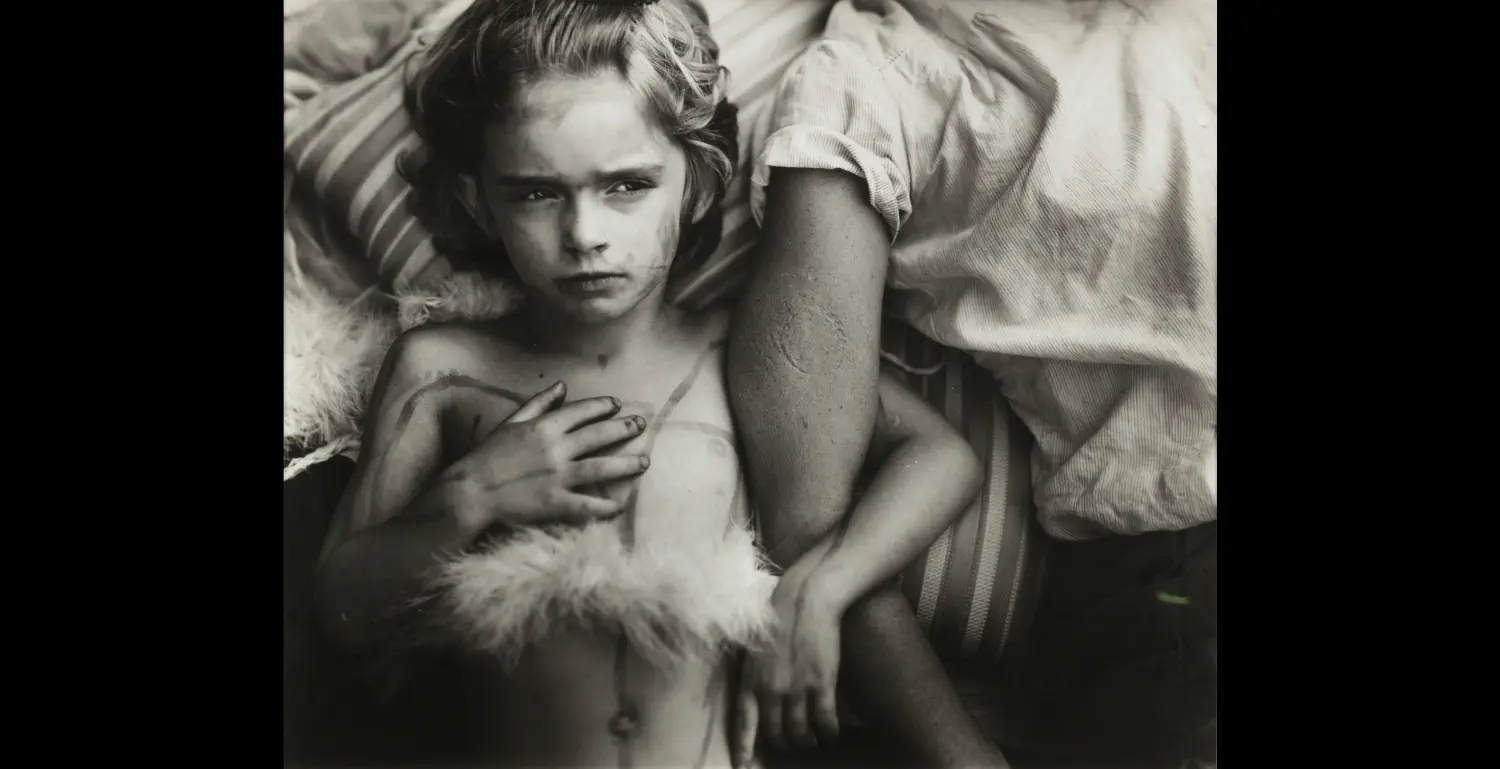
From "Immediate Family" by Sally Mann
Joel-Peter Witkin (1939–present): The Grotesque and the Abject
At the genre's darkest frontier, Witkin builds macabre tableaus from the extreme margins of existence: corpses, intersex bodies, physical difference, staged with the compositional gravity of Goya and Bosch and printed on scratched, distressed negatives that make the images feel like relics of a nightmare civilization. His work confronts what philosopher Julia Kristeva called the abject, that which disturbs identity, system and order, and forces the viewer to locate their own line between the sacred and the unbearable. No image is reproduced here given the work's graphic nature; pieces like "The Kiss" remain landmarks of transgressive art precisely because they refuse comfortable viewing.
Cindy Sherman (1954–present): The Postmodern Body Deconstructed
Sherman's contemporary-era turn pushed her deconstruction of the image past her own body entirely. In the "Sex Pictures" (1992) she arranged medical mannequins and prosthetic parts into explicit, clinical tableaus: the female body as literal assembly of components, pornography's fragmentation performed with the fantasy removed. By absenting herself, she carried the era's argument to its postmodern endpoint, where the "natural" body has left the frame and only the constructed one remains, a conclusion that reads differently again in the age of synthetic imagery.
Fine-Art Nude Photography Workshops · Since 2012
Join the Workshop List
Nude Art Workshops is a small-group programme founded by photographer and educator Burak Bulut Yıldırım. We run concept-led sessions with professional model collaborators and a maximum of six photographers.
Join the list for new workshop dates, visiting models, new cities, and programme updates. Subscribers usually hear first.
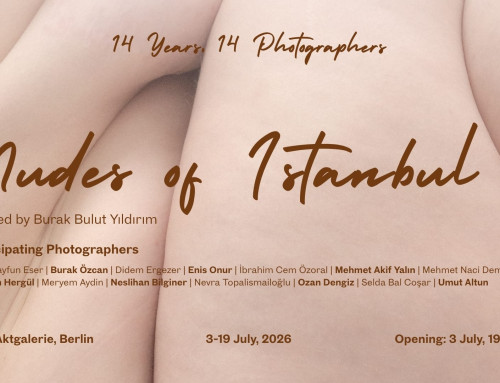
Fourteen years of workshops grew into an exhibition and a hardcover book. The book is now held by the V&A National Art Library in London, Istanbul Modern, the German National Library, and private collectors.
Curious about the project? Discover The Nudes of Istanbul →
Maximum six photographers per session · No weekly sales emails · Instagram: @nudeartworkshops
Reclaiming the Body: Identity, Race, and Queerness
For artists from marginalized communities, political nude art became an instrument of historical correction: the body reclaimed from a canon that had excluded, exoticized or erased it, and re-presented on its own authority.
Rotimi Fani-Kayode (1955–1989): The Post-Colonial Body
Working between his Nigerian Yoruba inheritance and his life as a gay man in London, Fani-Kayode staged symbolic portraits that took the Black male body back from the colonial gaze. "Bronze Head" (1987) sets his living body against a classical African artifact, origin and flesh in one frame, spirituality and desire refusing to be separated. He died in 1989, in the same plague years that took Mapplethorpe, and his small surviving body of work has only grown in stature since.

"Bronze Head" (1987) by Rotimi Fani-Kayode
Ajamu X (1963–present): The Queer Archive of Joy
British artist Ajamu X photographs Black queer life as celebration rather than case study. His "Black Bodyscapes" present desire, pleasure and self-possession with a confidence that is itself the political act: against a history of erasure, an archive of joy is resistance with the volume up. The work insists that visibility on one's own terms, not respectability on someone else's, is the prize.

From "Black Bodyscapes" by Ajamu X
Laura Aguilar (1959–2018): Claiming Space in the Landscape
Aguilar's self-portraits were acts of occupation. As a large-bodied, working-class Latina lesbian, she placed her nude form among the rocks of the American Southwest in the "Nature Self-Portrait" series (1996), her body rhyming with boulder and earth until the landscape seemed to have produced her. The images make belonging visible for bodies mainstream art had declined to picture at all, and they did it with a formal calm that shames the exclusion.

From the "Nature Self-Portrait" series (1996) by Laura Aguilar
New Perspectives on Form: Scale and Intimacy
Spencer Tunick (1967–present): The De-sexualized Collective
Tunick's installations gather thousands of volunteers into nude formations that turn the collective body into living sculpture, and public space into its plinth. His 2007 work in Mexico City's Zócalo drew around eighteen thousand participants, his largest, converting the historic square into a temporary terrain of flesh where no individual body reads as sexual because no individual body reads at all. The legal machinery behind such projects, arrests, appeals and eventual municipal cooperation, is unpacked in our article on the nude in public space.

"Mexico City 4 (Zócalo)" (2007) by Spencer Tunick
Mona Kuhn (1969–present): The Ethereal and Intimate
Kuhn works the era's quietest register. For "Evidence" (2007) she photographed residents of a French naturist community she had known for years, and the familiarity is the technique: her subjects inhabit their nudity with an un-self-conscious ease no stranger's camera could borrow, rendered in warm, dreamlike light. Against a decade of confrontation, her images propose that intimacy, too, is a position.

From the "Evidence" series (2007) by Mona Kuhn
The Rise of Body Positivity and Self-Expression
The era's most recent front turns the camera against commercial beauty standards themselves, insisting that every body type deserves the formal seriousness art historically rationed to a few.
Yossi Loloi (1979–present) and "Full Beauty"
Loloi's "Full Beauty" project photographs plus-size women with classical lighting and unhurried, graceful posing, extending to his subjects the exact visual dignity the canon reserved for slender ideals. The politics live entirely in the aesthetics: change how a body is lit and framed, and you change what the viewer believes a body is for.

From the "Full Beauty" project by Yossi Loloi
Polly Penrose (1974–present) and the Body in Space
Penrose folds her own body into domestic architecture, draped over chairs, wedged into corners, pressed against radiators, producing shapes that are abstract, funny and quietly unsettling at once. Her self-portraits ask how spaces shape the bodies that inhabit them, and answer with a physical comedy that carries more melancholy than it first admits.

Polly Penrose
A Curatorial Note: The Geography of the Body
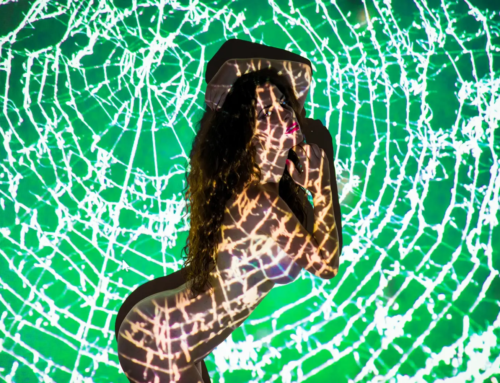
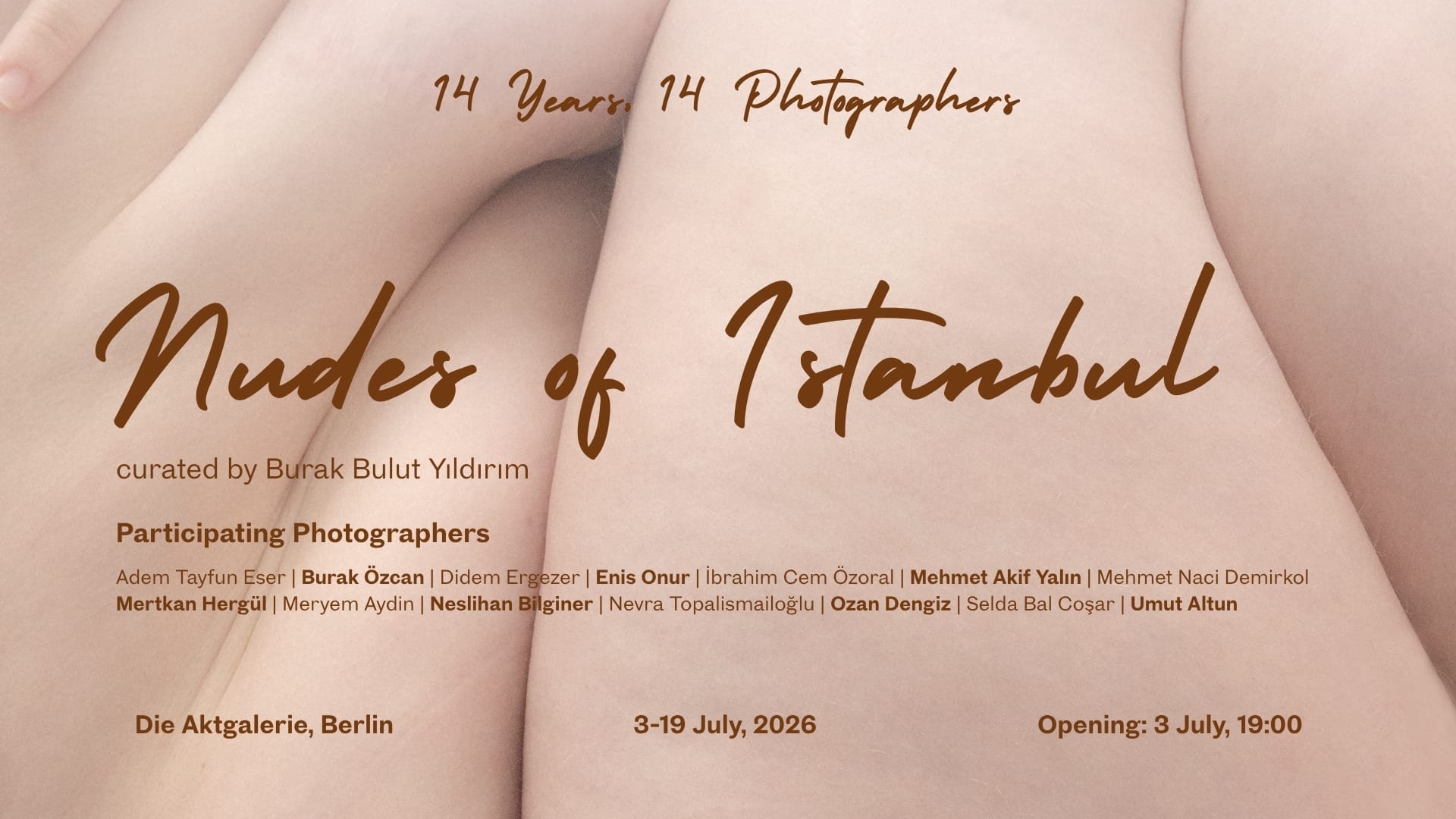
The era's deepest question, whose bodies get seen, and on whose terms, does not stop at identity; it runs through geography. That conviction shaped my own contribution as curator of Nudes of Istanbul, which brought fourteen photographers' body-based work from Turkey to Die Akt Galerie Berlin in 2026, with a hardcover published by Mijuk Papers Berlin: a body of imagery made under one set of cultural pressures, exhibited into another, and insisting on visibility for a geography the genre's map had left faint. My own studio practice belongs to the same era and takes a position in its newest battle: everything I make is built in camera, with a real person, real fabric and real light, because in a period when the body in an image may never have existed, the fact of a collaboration between two humans has itself become the political content. "Bride" below carries both threads: a single prop opening a narrative about ritual, consent and refusal that each viewer must close alone.
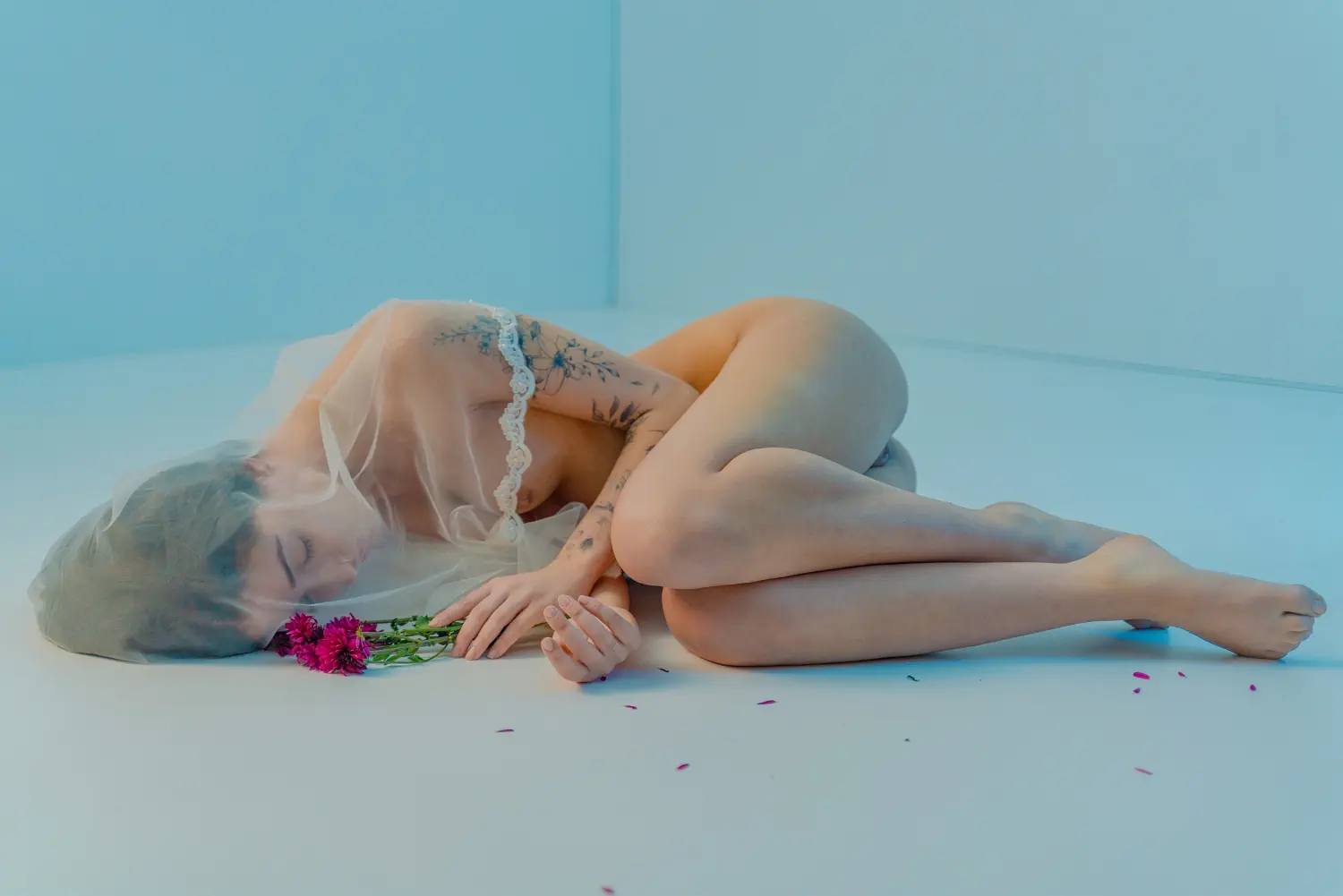
Bride — Burak Bulut Yıldırım
The Body as a Statement
The contemporary era's legacy is a change of grammatical mood: the nude moved from the descriptive to the declarative. A photograph of a body can now be an act of defiance, an archive of a community, a correction of the historical record or a claim staked in public space, and viewers arrive knowing it. Photographers who inherit this era inherit its obligation, which is to have something at stake in the frame. The experiments that made the declaration possible are traced in the modernist era, and the authors who forced the genre's most consequential reversal are in the women who redefined the nude.
Questions readers ask
What was the Mapplethorpe obscenity trial?
In 1990, Cincinnati's Contemporary Arts Center and director Dennis Barrie were prosecuted for exhibiting "The Perfect Moment," the first obscenity trial of an American museum. The acquittal became a foundational precedent for exhibiting provocative art in the United States.
What is political nude art?
Work in which the unclothed body carries an argument beyond aesthetics: reclaiming identity, documenting a community, protesting erasure or contesting beauty standards. The contemporary era made this the genre's dominant register.
Is nude art still censored today?
Yes, though the battleground moved from courtrooms to platforms: algorithmic moderation now suppresses artistic nudity at a scale no prosecutor managed, and working photographers plan their visibility around it. The state depository of 1850s Paris and the content policy of today are the same instrument, updated.
How do I develop a concept-driven nude practice?
Start from an argument, not a body. Our Berlin and Istanbul workshops are built as exactly that training: each edition works a single concept, with sexuality deliberately demoted behind theme, form and collaboration, in the direct lineage of the era this article traces.
If this era proved the nude can argue, our ateliers exist to teach the argument: concept-first editions where sexuality is deliberately placed third or fourth behind theme, form and the model–photographer collaboration, and where every image is built physically, in camera. Led by Burak Bulut Yıldırım, Berlin-based photographer and curator practicing since 2005: fourteen-plus years of nude art workshops, 50+ editions, 300+ photographers, exhibitions in Berlin, Zurich, Barcelona, Rome, Thessaloniki and Heilbronn, curator of Nudes of Istanbul (Die Akt Galerie Berlin, 2026; hardcover by Mijuk Papers Berlin).
Portfolio: burakbulut.org · Limited editions on Saatchi Art and Artsper · Contact: hello@nudeartworkshops.com